



ARTICLE CONTENTSOn this page 8 sections
Who is God?
Performance Objectives
By the end of the lesson, students should be able to:
- explain who God is;
- list some attributes of God;
- state the names of God in different Nigerian languages.
Memory Verse
“In the beginning God created the heaven and the earth.” — Genesis 1:1
Bible Reading
The principal Bible passages supporting this lesson are:
- Genesis 1:1
- Jeremiah 10:12
The Concept of God
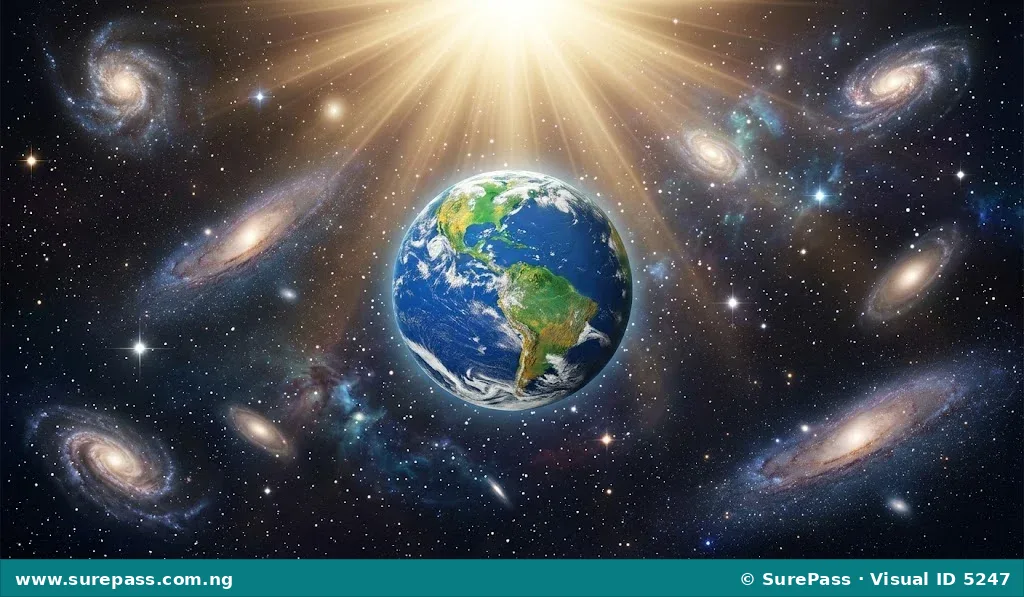
God is the Supreme Being, the Creator and Sustainer of the universe and everything within it.
The term “Supreme Being” means that God is the highest authority, possessing ultimate power, and there is no one or anything greater than Him. He is eternal, meaning He has no beginning and no end. Before anything in the world came into existence, God already existed.
In the Holy Bible, the book of Genesis 1:1 reveals that God is the source of all life and existence. He created the heavens, the earth, the oceans, the plants, the animals, and human beings. Jeremiah 10:12 further explains that God made the earth by His power, established the world by His wisdom, and stretched out the heavens by His understanding. This shows that creation was not an accident, but a deliberate act of a wise and powerful Creator.
Attributes of God
An attribute of God is a unique quality, characteristic or nature that describes who God is and how He relates to His creation.
Understanding the attributes of God helps people to know His character, His power, and how He operates. The Bible reveals several key attributes of God that distinguish Him from human beings and any other created things.
The primary attributes of God include:
- Sovereign Creator: God has absolute power, control, and authority over the entire universe. He created everything out of nothing (ex nihilo) by His spoken word. Nothing can happen in the universe without His knowledge or permission.
- Omnipresent: God is present everywhere at the same time. Unlike human beings who can only be in one place at a time, God’s presence fills the entire heavens and the earth. There is no place where a person can hide from God.
- Invisible: God cannot be seen with physical eyes. He does not possess a physical body of flesh and blood, which means He is not limited by physical form or space.
- Only Wise God: God possesses perfect wisdom and knowledge. He knows all things, including the past, the present, and the future. His decisions are always perfect, and His understanding is searchless.
- Spirit: God is a spiritual being. Because God is Spirit, those who worship Him must worship Him in spirit and in truth, rather than relying only on physical or material representations.
Names of God in Different Nigerian Languages
Nigeria is a country rich in cultural diversity, with hundreds of ethnic groups and languages. Each of these cultures has a unique name for the Supreme Being, which reflects their deep understanding of God’s character, power, and relationship with humanity.
These indigenous names show that even before the arrival of Christian missionaries, Nigerian societies acknowledged the existence of one Supreme God who created and rules over the universe.
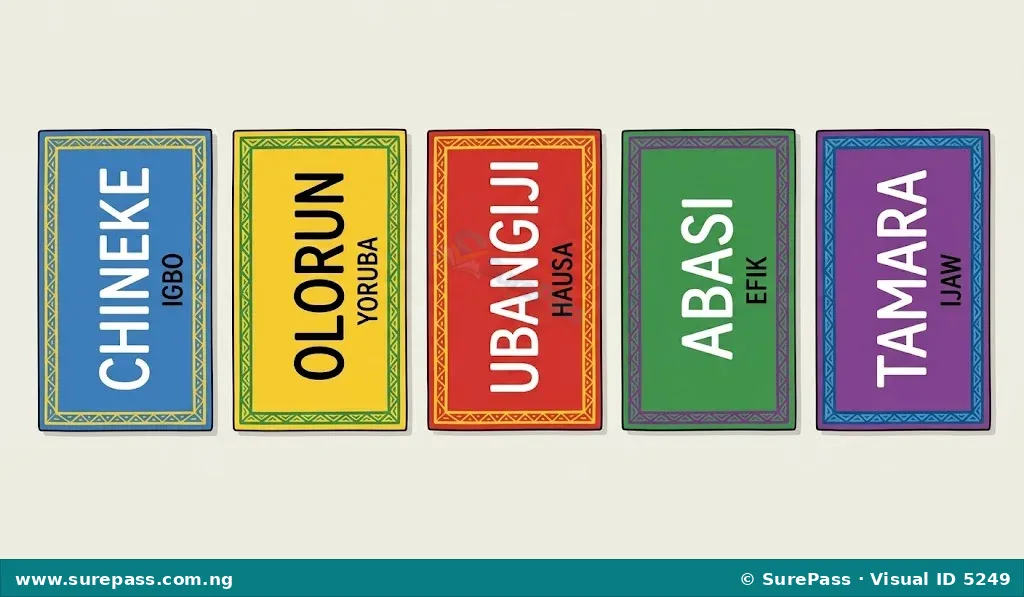
The names of God in various Nigerian languages include:
- Ubangiji (Hausa): This name translates to “The Supreme Lord” or “The Master of All”. It emphasizes God’s absolute ownership and authority over creation.
- Olorun (Yoruba): This name means “The Owner of Heaven” or “The Lord of Heaven”. It highlights God’s heavenly dwelling and His supreme status above the earth.
- Chineke (Igbo): This name means “God the Creator” or “The God who creates”. It points directly to God’s creative power and His role as the source of life.
- Agwatana (Bassa): This is the name used by the Bassa people to refer to the Supreme God who rules over all things.
- Abasi (Efik): This name means “The Director of the Universe” or “The Supreme Ruler”, emphasizing God’s role in governing and sustaining the world.
- Tamara (Ijaw): This name means “The Creator” or “The One who moulds”. It represents God as the divine potter who shapes destiny and life.
- Shekwo (Gbagyi): This name translates to “The Supreme God” or “The One who is everywhere”, reflecting God’s omnipresence and greatness.
- Soko (Nupe): This name means “The Creator” or “The Great One”, representing the source of all life and power.
- Yamba (Tangale): This is the name for the Supreme Lord and Creator among the Tangale people of northern Nigeria.
The table below summarizes the names of God across different Nigerian languages:
| Language | Name of God | Meaning / Significance |
|---|---|---|
| Hausa | Ubangiji | The Supreme Lord / Master of All |
| Yoruba | Olorun | The Owner of Heaven |
| Igbo | Chineke | God the Creator |
| Bassa | Agwatana | The Supreme God |
| Efik | Abasi | The Supreme Ruler / Director of the Universe |
| Ijaw | Tamara | The Creator / The One who moulds |
| Gbagyi | Shekwo | The Supreme God / The One who is everywhere |
| Nupe | Soko | The Creator / The Great One |
| Tangale | Yamba | The Supreme Lord |
Summary and Review Questions
This unit has explained that God is the Supreme Being and the Creator of the universe. He possesses unique attributes such as being sovereign, omnipresent, invisible, wise, and Spirit. Furthermore, various Nigerian languages have distinct names for God, showing a universal recognition of His supremacy across different cultures.
The following questions help to review the lesson:
- Based on Genesis 1:1 and Jeremiah 10:12, explain who God is.
- Define the term “attribute of God”.
- Identify and explain four attributes of God.
- State the names of God in the following Nigerian languages:
- Hausa
- Yoruba
- Igbo
- Efik
- Ijaw
- What does the name “Chineke” mean in the Igbo language?


0 comments
Open the discussion when you need it. Comments stay collapsed until requested so the initial article remains light.