



ARTICLE CONTENTSOn this page 9 sections
Relationship with God
Performance Objectives
By the end of the lesson, students should be able to:
- discuss the ways to relate with God;
- identify ways God talks to us;
- state ways we maintain relationship with God;
- pray, worship and praise God.
Memory Verse
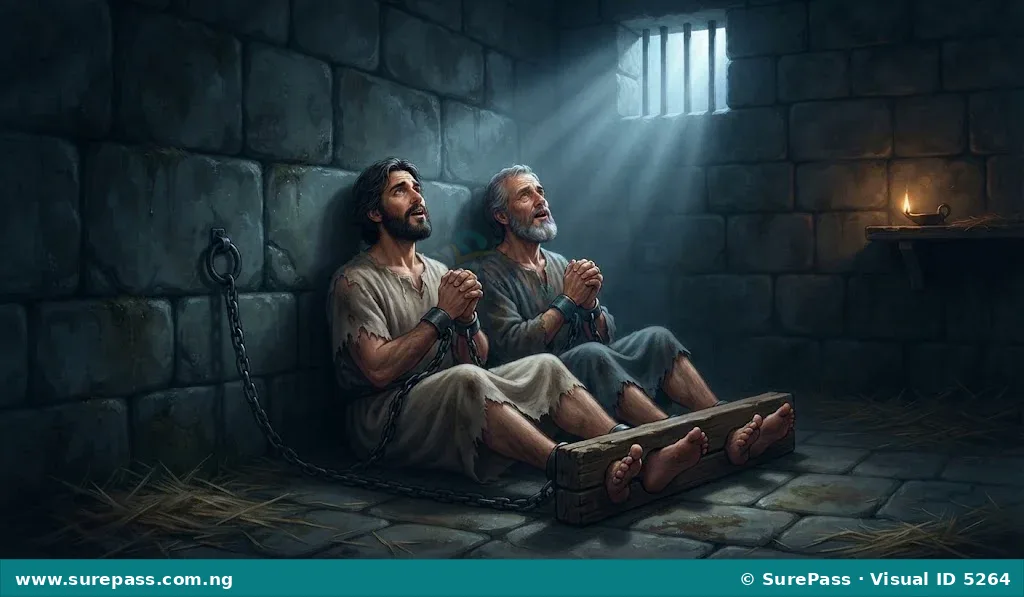
“And at midnight Paul and Silas prayed, and sang praises unto God: and the prisoners heard them.” – Acts 16:25
Bible Reading
The principal Bible passages supporting this lesson are:
- Acts 16:22–26
- Joshua 1:8
- Matthew 22:37–39
Meaning of Relationship with God
A relationship with God is the spiritual connection, fellowship and communication between a human being and God.
Just as people build relationships with family members and friends through communication and shared time, a relationship with God is built through spiritual activities that bring a person closer to the Creator.
Relating with God
Relating with God involves two-way communication where a person reaches out to God, and also creates room to receive from Him. This relationship is spiritual and is expressed through concrete actions of faith.
The primary ways of relating with God include:
- Praying: This is the act of talking to God. It involves praising Him, thanking Him for His goodness, confessing sins, and presenting personal requests as well as the needs of others.
- Reading the Bible: The Holy Bible is the written Word of God. Reading and studying it helps individuals understand God’s character, His laws, His promises, and His will for their lives.
- Worshipping: Worship is the act of showing deep respect, honour, and love to God. It is an acknowledgment of God’s supreme worth, holiness, and power.
- Praising God: Praising involves expressing joy and gratitude to God through songs, musical instruments, and words of adoration for who He is and what He has done.
A clear biblical example of relating with God through prayer and praise is found in Acts 16:25. Paul and Silas were arrested, beaten, and thrown into the innermost prison cell in Philippi for preaching the gospel. Their feet were fastened in stocks. Despite their painful physical condition and the dark prison environment, they chose to relate with God. At midnight, they prayed and sang praises to God. The other prisoners listened to them, and suddenly, a great earthquake shook the foundations of the prison, opening all the doors and loosening everyone’s chains. This account demonstrates that sincere prayer and praise are powerful ways of relating with God, capable of bringing divine intervention in difficult times.
Ways God Talks to Us
Communication in a relationship is never one-sided. Just as people talk to God, God also speaks to human beings. He communicates His guidance, warnings, love, and instructions through various channels that are accessible to young people.
The channels through which God communicates include:
- Parents: God places children under the care of parents or guardians. He uses them to provide moral guidance, correction, and instructions. When parents teach children to do what is right, God is speaking through them.
- The Bible: The scriptures contain God’s direct messages to humanity. When a person reads the Bible, the Holy Spirit clarifies the passages, giving specific direction, comfort, or correction for daily situations.
- Teachers: School teachers and Sunday school teachers explain academic, moral, and spiritual truths. God uses their knowledge and instructions to guide students toward making wise decisions.
- Priests and Preachers: Religious leaders are called by God to deliver His messages to the congregation. Through sermons, Bible teachings, and spiritual counseling, they convey God’s warnings, encouragement, and instructions to His people.

Ways of Maintaining a Good Relationship with God
A relationship with God must be nurtured continuously so that it remains strong and healthy. Consistent spiritual habits and moral uprightness are necessary to maintain this fellowship.
The essential ways to maintain a strong relationship with God are:
- Loving God: This is the greatest commandment. Loving God means putting Him first in all decisions, desiring to please Him, and keeping His commandments.
- Loving One Another: God commands His children to love their neighbours as themselves. Showing kindness, helping the needy, and treating others with respect are direct expressions of love for God.
- Daily Prayer: Maintaining a relationship requires daily communication. Praying every morning and night keeps a person connected to God’s presence and guidance throughout the day.
- Living a Holy Life: God is holy, and He expects His children to be holy. This involves avoiding sinful habits such as lying, stealing, disobedience, and fighting, and instead practicing honesty, purity, and self-control.
- Worshipping and Doing Good: Regular participation in corporate worship services and consistently performing acts of charity and goodness in the community strengthen a person’s walk with God.
- Reading the Bible: Daily study of the scriptures ensures that a person continues to grow in spiritual knowledge and remains aligned with God’s will.
- Forgiving One Another: Holding grudges damages spiritual growth. Just as God forgives human shortcomings, individuals must freely forgive those who offend them to keep their relationship with God unbroken.
Practical Guide: Praying, Reading the Bible, Worshipping, and Praising God
Developing practical skills in prayer, scripture reading, and worship is essential for every Christian youth to grow spiritually.
How to Pray
Prayer is a structured yet personal conversation with God. It can be performed individually or in a group.
The steps for effective personal prayer include:
- Find a quiet place free from noise and distractions.
- Adopt a respectful physical posture, such as kneeling, bowing the head, or closing the eyes to focus attention on God.
- Begin with adoration, praising God for His greatness, holiness, and mercy.
- Offer thanksgiving, expressing appreciation for life, health, family, and protection.
- Confess sins sincerely and ask for God’s forgiveness.
- Present petitions, which are personal requests for guidance, wisdom, protection, and daily needs.
- Make intercessions, praying for parents, teachers, friends, leaders, and the nation.
- Conclude the prayer in the name of Jesus Christ, and say “Amen.”
How to Read the Bible
Reading the Bible should not be done like reading a regular storybook; it requires reverence and concentration.
The steps for profitable Bible study include:
- Select a specific time and a quiet environment for study.
- Choose a Bible passage or follow a daily devotional guide.
- Say a short opening prayer, asking the Holy Spirit to grant understanding and wisdom.
- Read the selected passage slowly, carefully, and repeatedly if necessary.
- Reflect on the passage by asking questions such as: “What does this teach about God?”, “Is there a command to obey?”, or “Is there a promise to claim?”
- Write down key lessons or a specific verse to memorize.
- Say a closing prayer, asking God for the grace to practice what has been read.
How to Praise and Worship God
Praise and worship are expressions of love and adoration directed to God, which can be done through singing and physical expressions of reverence.
The steps for praising and worshipping God include:
- Focus the mind entirely on God, putting away all distracting thoughts.
- Select songs that describe God’s goodness, power, love, and holiness.
- Sing with joy, sincerity, and a grateful heart.
- Use appropriate physical expressions of worship, such as clapping hands, lifting hands in reverence, or bowing down.
- Speak words of adoration to God between songs, thanking Him for His wonderful works.




0 comments
Open the discussion when you need it. Comments stay collapsed until requested so the initial article remains light.