



ARTICLE CONTENTSOn this page 11 sections
Call to Repentance
Performance Objectives
By the end of the lesson, students should be able to:
- discuss how King David and the people of Nineveh responded to God’s call to repentance;
- describe John’s call to repentance;
- explain Jesus’ call to repentance;
- discuss the consequences of lack of repentance and the rewards for repentance.
Memory Verse
“Create in me a clean heart, O God; and renew a right spirit within me.” – Psalm 51:10 (KJV)
Bible Reading
The following Bible passages support this lesson:
- 2 Samuel 12:7-13
- Psalm 51
- Jonah 3:1-10
- Luke 3:1-14
- Matthew 3:1-12
- Mark 1:14-15
- 1 Samuel 3:18
- 1 Samuel 4:10-21
Understanding Repentance
Repentance is the act of turning away from sin and turning back to God. It involves feeling sorry for wrong actions, confessing them to God, and deciding to change one’s behaviour to live according to God’s will.
God is merciful and always calls people to repent so that they can receive His forgiveness and live a life that pleases Him. Throughout the Bible, many individuals and groups were called to repent, and their responses show us the importance of turning away from sin.
King David Obeys God’s Call to Repentance
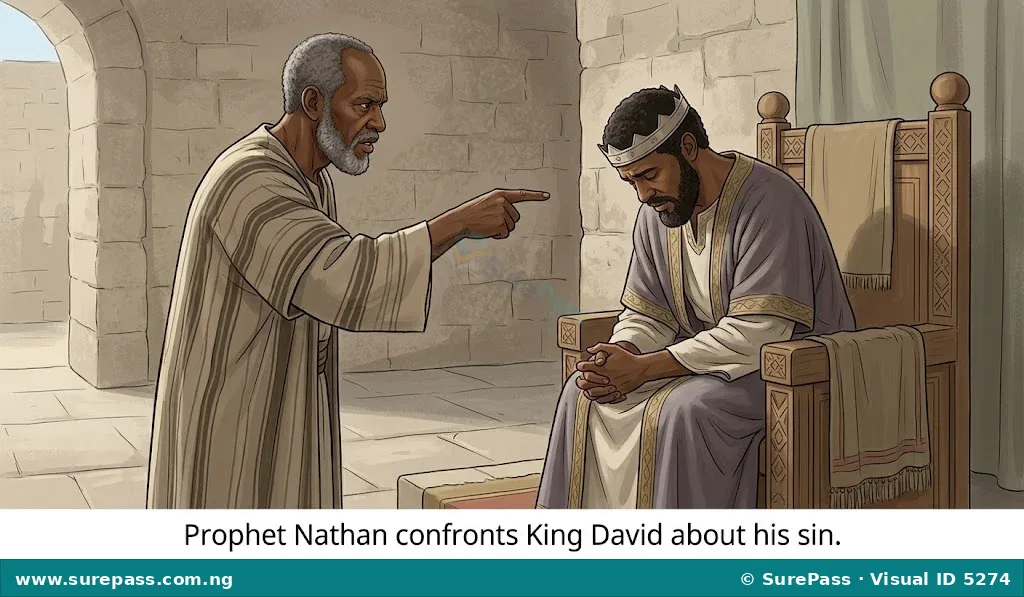
King David was a man after God’s own heart, but he also committed serious sins. He committed adultery with Bathsheba and then arranged for her husband, Uriah, to be killed in battle to cover up his sin. God was displeased with David’s actions.
God sent the prophet Nathan to confront David. Nathan told David a parable about a rich man who took a poor man’s only lamb. David became angry, not realising the story was about him. Nathan then boldly declared to David, “You are the man!” (2 Samuel 12:7).
David’s response to Nathan’s message was immediate and sincere. He confessed his sin, saying, “I have sinned against the Lord” (2 Samuel 12:13). David felt deep sorrow for his actions and wrote Psalm 51, a prayer of repentance, asking God for forgiveness and a clean heart.
Although David faced consequences for his sins, God forgave him because of his genuine repentance. This story shows that even great leaders can fall into sin, but God’s mercy is available to those who truly repent.
The People of Nineveh Repent of Their Sins
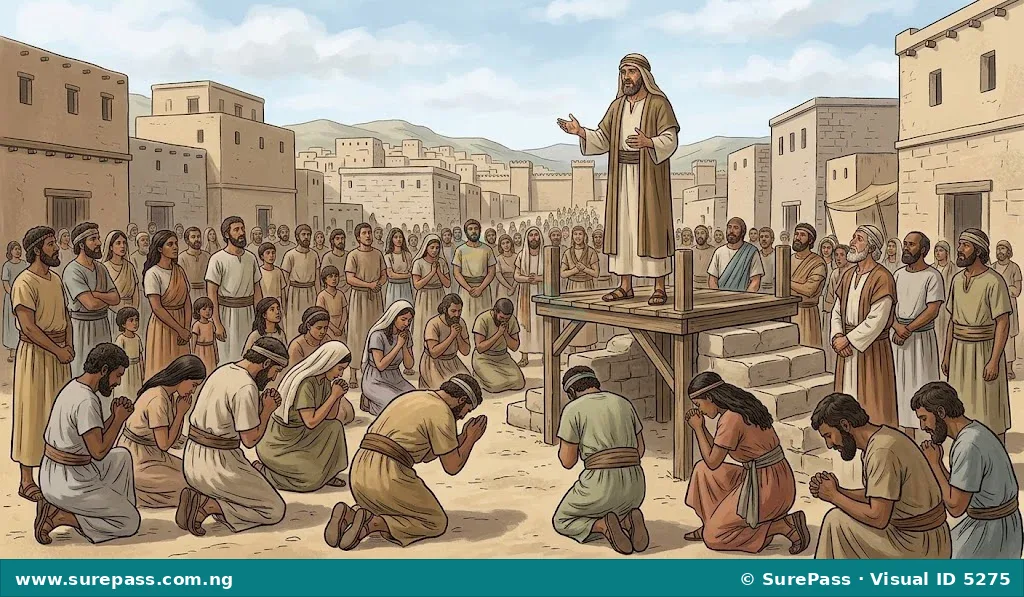
Nineveh was a great and wicked city, full of violence and evil. God decided to destroy Nineveh because of its wickedness, but first, He sent the prophet Jonah to warn the people and call them to repentance.
Jonah initially tried to run away from God’s command, but after a miraculous experience in the belly of a great fish, he finally went to Nineveh. Jonah preached a simple message: “Forty more days and Nineveh will be overthrown” (Jonah 3:4).
To everyone’s surprise, the people of Nineveh listened to Jonah’s message. From the king to the common people, they believed God. The king issued a decree that everyone, including animals, should fast, wear sackcloth, and cry out to God. They were to turn from their evil ways and their violence.
The people of Nineveh genuinely repented. They changed their behaviour and turned to God. Because of their repentance, God had compassion on them and did not bring the destruction He had planned. This story highlights God’s willingness to forgive when people truly turn from their sins.
Comparing David’s Repentance and Nineveh’s Repentance
Both King David and the people of Nineveh responded to God’s call to repentance, but there were some differences in their situations and responses:
- Individual vs. Corporate: David’s repentance was an individual act for his personal sins. The repentance of Nineveh was a corporate act, involving the entire city, from the king to the common people, for their collective wickedness.
- Confrontation: David was confronted by a prophet (Nathan) who exposed his hidden sins. The people of Nineveh were warned by a prophet (Jonah) about impending judgment for their open wickedness.
- Nature of Sin: David’s sin involved specific acts of adultery and murder. Nineveh’s sin was described as general wickedness and violence.
- Outcome: David received forgiveness but still faced some consequences for his actions within his family. The people of Nineveh were spared from the destruction God had planned for their city.
Despite these differences, the core similarity is that both David and the Ninevites showed genuine sorrow for their sins, confessed them, and turned to God, leading to God’s mercy and forgiveness.
John the Baptist’s Call for Repentance
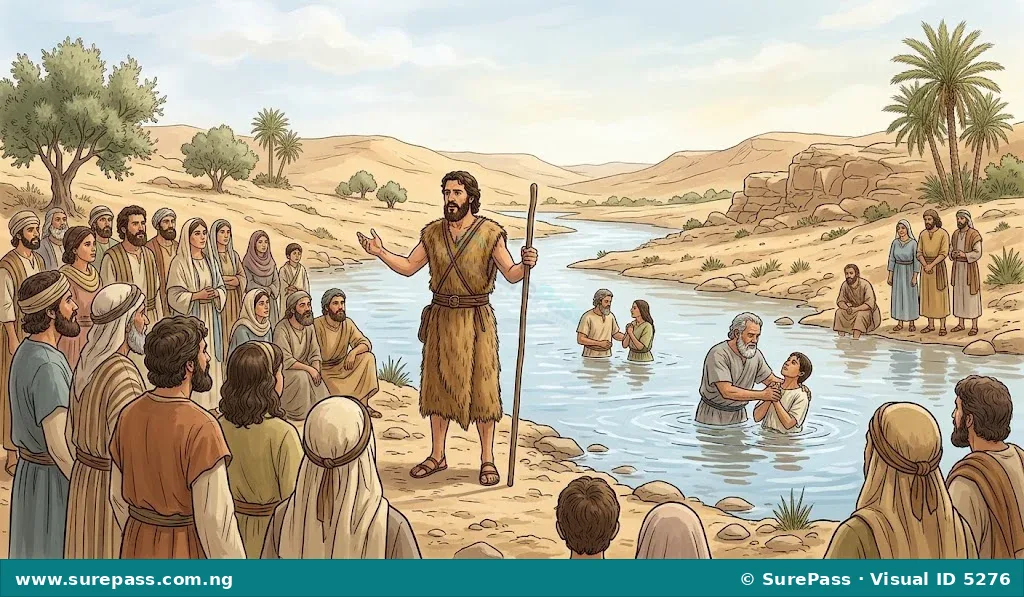
John the Baptist was a prophet sent by God to prepare the way for Jesus Christ. He lived in the wilderness and preached a powerful message to the people of Judea and Jerusalem.
John’s main message was “Repent, for the kingdom of heaven has come near” (Matthew 3:2). He called people to turn away from their sins and be baptised in the Jordan River as a sign of their repentance. His baptism was a symbol of cleansing and a commitment to a new way of life.
John also taught people how to show true repentance through their actions. When people asked him what they should do, he gave practical advice:
- Those with two tunics should share with those who have none.
- Tax collectors should not collect more than they are required to.
- Soldiers should not extort money or accuse people falsely, but be content with their pay.
John’s call to repentance was about changing both one’s heart and one’s actions to prepare for the coming of the Messiah, Jesus Christ.
Jesus Christ’s Call to Repentance
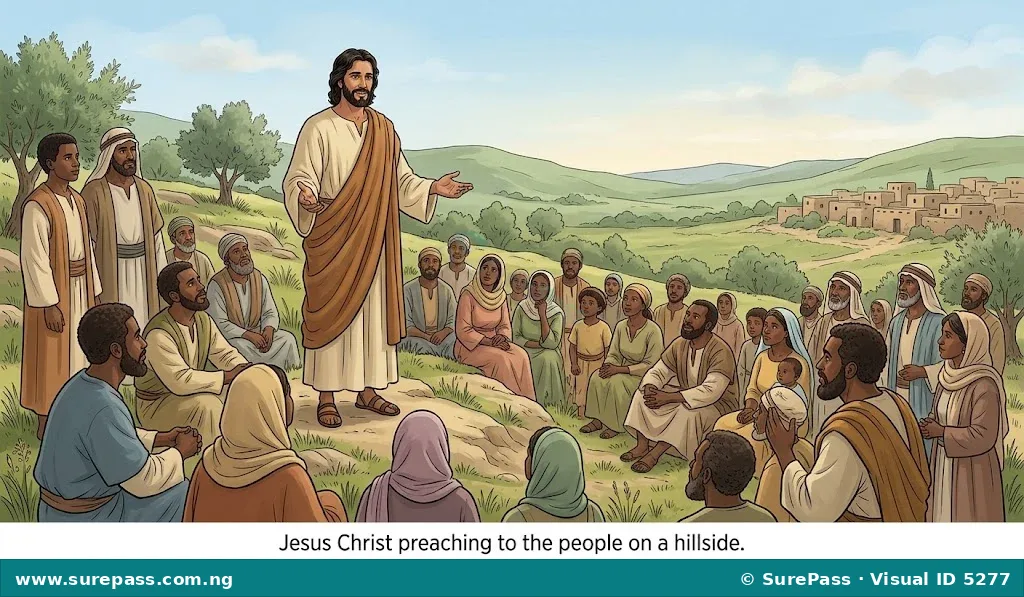
After John the Baptist was imprisoned, Jesus began His public ministry, preaching the good news of God’s Kingdom. His message was similar to John’s, but with even greater authority and power.
Jesus preached, “The time has come. The kingdom of God has come near. Repent and believe the good news!” (Mark 1:15). Jesus’ call to repentance was central to His teaching. He taught that true repentance involves not just feeling sorry for sins, but also turning to God and believing in Him.
Jesus showed that repentance leads to forgiveness and a new life in God’s Kingdom. He welcomed sinners and ate with them, showing that God desires all people to repent and be saved. His call was an invitation to change one’s life and follow Him.
Consequences of Lack of Repentance
The Bible teaches that refusing to repent and turn from sin has serious consequences. God is just, and He holds people accountable for their actions.
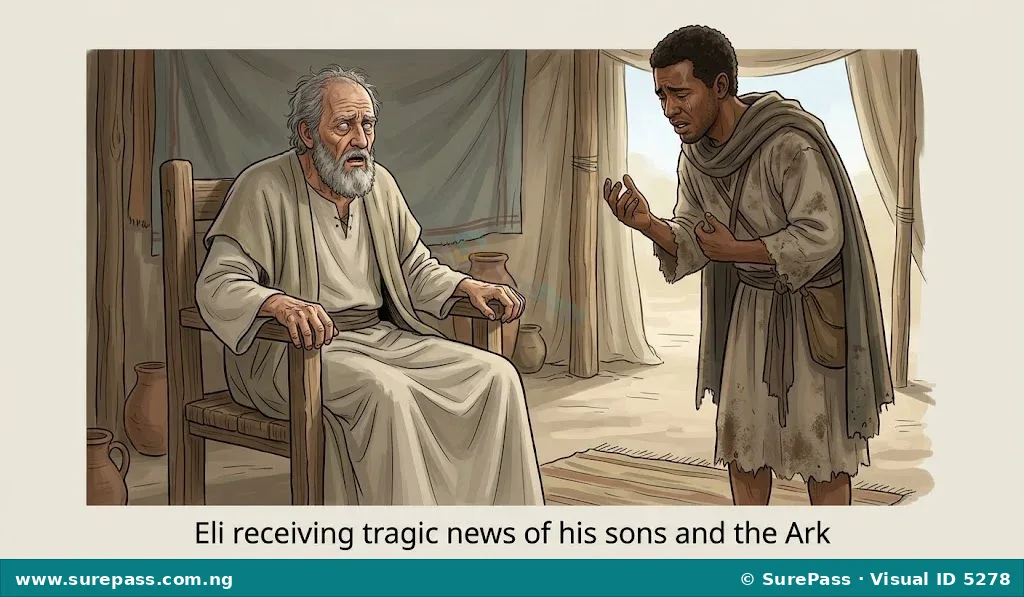
A clear example is found in the story of Eli, the high priest, and his two sons, Hophni and Phinehas. Eli’s sons were wicked priests who abused their positions, treated God’s offerings with contempt, and committed immoral acts. Eli knew about their sins but failed to restrain them effectively.
Because of their unrepentant hearts and Eli’s failure to correct them, God sent a prophet to warn Eli of the severe consequences. God declared that Eli’s family would be cut off, and his sons would die on the same day (1 Samuel 3:18).
These consequences came to pass. In a battle against the Philistines, Hophni and Phinehas were killed, and the Ark of the Covenant was captured. When Eli heard the news, he fell backward, broke his neck, and died (1 Samuel 4:10-21). This tragic story shows that a lack of repentance leads to God’s judgment, suffering, and loss.
Rewards for Repentance
While a lack of repentance brings negative consequences, genuine repentance brings wonderful rewards from God. God is full of grace and mercy, and He delights in forgiving those who turn to Him.
The rewards for repentance include:
- Forgiveness of Sins: When we repent, God forgives our sins, no matter how great they are. He cleanses us and removes our guilt.
- Restoration and New Life: Repentance leads to restoration of our relationship with God. We receive a new beginning and the opportunity to live a life that pleases Him.
- Peace with God: Forgiveness brings peace to our hearts and minds, knowing that we are right with God.
- God’s Blessings: Those who repent and obey God often experience His blessings in their lives, including spiritual growth, joy, and guidance.
- Escape from Judgment: As seen with the people of Nineveh, repentance can avert God’s judgment and bring deliverance.
King David, despite his sins, experienced God’s forgiveness and restoration because of his repentance. The people of Nineveh were spared from destruction. These examples show that God is always ready to bless those who humbly turn to Him in repentance.




0 comments
Open the discussion when you need it. Comments stay collapsed until requested so the initial article remains light.