



ARTICLE CONTENTSOn this page 8 sections
Adequate Diet
Performance Objectives
By the end of the lesson, students should be able to:
- explain the meaning and importance of an adequate diet;
- identify the characteristics of an adequate diet;
- identify each component of an adequate diet;
- explain the factors that influence dietary adequacy.
Meaning of an Adequate Diet
An adequate diet is a diet that contains all the essential nutrients in the correct proportions and quantities required to meet the daily nutritional needs of the body for growth, energy, repair, and general well-being.
An adequate diet, often referred to as a balanced diet, ensures that the body receives neither too little nor too much of any nutrient. Consuming food in the correct proportions prevents nutritional deficiencies while avoiding the risks associated with overnutrition, such as obesity and related metabolic disorders. In Nigeria, an adequate diet can be constructed using locally available foods across all the major food groups, ensuring that nutritional needs are met regardless of geographical location or seasonal variations.
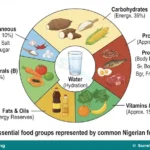
The diagram below shows the proportional distribution of food groups in a balanced daily meal plan:
Importance of an Adequate Diet
Consuming an adequate diet is fundamental to maintaining life, preventing disease, and ensuring optimal physical and cognitive development. The role of dietary adequacy spans across several physiological and developmental functions.
The primary reasons for maintaining an adequate diet include:
- Promotion of Growth and Development: The body requires structural materials to build new tissues, bones, and organs. This is particularly critical during periods of rapid growth, such as infancy, childhood, and adolescence. Adequate protein, minerals like calcium, and vitamins ensure that physical development reaches its full genetic potential.
- Provision of Energy for Daily Activities: Physical movement, metabolic processes, and brain function require a constant supply of energy. Carbohydrates and fats serve as the primary fuel sources for the body, enabling individuals to perform daily tasks, study, and engage in physical labor.
- Prevention of Malnutrition and Diseases: Nutritional deficiencies lead to specific deficiency diseases such as kwashiorkor (protein deficiency), marasmus (overall energy deficiency), scurvy (vitamin C deficiency), and anemia (iron deficiency). An adequate diet strengthens the immune system, reducing susceptibility to infectious and non-communicable diseases.
- Enhancement of Mental and Physical Performance: Brain function relies heavily on a steady supply of glucose, essential fatty acids, and micronutrients. Proper nutrition improves concentration, memory, cognitive development, and physical stamina, which directly influences academic and physical achievements.
- Support for Good Health and Recovery: When the body experiences illness, injury, or surgery, the demand for nutrients increases to facilitate tissue repair and immune response. An adequate diet accelerates healing and restores physiological balance.
- Improvement of Work Efficiency and Productivity: Well-nourished individuals possess higher energy levels, better focus, and lower rates of absenteeism due to illness. This directly translates to increased productivity in agricultural, industrial, and academic environments.
- Promotion of Healthy Aging and Longevity: Good dietary habits established early in life reduce the wear and tear on body organs, lower the risk of chronic conditions such as cardiovascular diseases and type 2 diabetes, and promote a longer, active lifespan.
Characteristics of an Adequate Diet
An adequate diet is not merely about eating a large quantity of food; it must satisfy specific qualitative criteria to ensure health and safety.
The essential characteristics of an adequate diet are:
- Balance: The diet must contain nutrients from all the food groups in the correct ratio. No single food group should dominate the diet to the exclusion of others.
- Variety: This involves selecting different types of food within each food group. Eating a wide range of foods ensures that the body obtains a broad spectrum of micronutrients, as different foods contain different vitamins and minerals.
- Adequacy: The diet must provide sufficient amounts of essential nutrients and dietary fiber to meet the physiological needs of the individual, preventing hunger and nutritional depletion.
- Moderation: No food should be consumed in excess. Moderation ensures that intake of fats, refined sugars, and sodium is kept within safe limits to prevent chronic health conditions.
- Proportion: This refers to the relative quantity of each food group consumed. For instance, vegetables and complex carbohydrates should form a larger proportion of the meal compared to fats and simple sugars.
- Wholesomeness: The food consumed must be safe, clean, free from pathogens, chemical contaminants, and spoilage. It should be prepared under hygienic conditions to preserve its nutritional value.
- Attractiveness: Food should be visually appealing, aromatic, and palatable. Good presentation stimulates the appetite and enhances the secretion of digestive juices, facilitating better digestion.
Components of an Adequate Diet
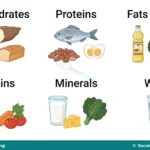
The components of an adequate diet correspond to the six classes of food, each playing a distinct physiological role in the human body.
The six essential components of an adequate diet are:
- Carbohydrates: These are the primary energy providers for the body. They are broken down into glucose, which fuels cellular activities. Common Nigerian sources include yam, cassava, maize, millet, rice, and plantain.
- Proteins: These are essential for growth, tissue repair, enzyme production, and hormone synthesis. Sources are divided into animal proteins (such as fish, meat, eggs, milk, and poultry) and plant proteins (such as beans, cowpeas, soybeans, and groundnuts).
- Fats and Oils: These provide concentrated energy, insulate body organs, maintain body temperature, and facilitate the absorption of fat-soluble vitamins (A, D, E, and K). Sources include palm oil, groundnut oil, melon seeds (egusi), coconut, and butter.
- Vitamins: These are organic compounds required in small quantities to regulate metabolic processes and protect the body against infections. They include water-soluble vitamins (B-complex and C) and fat-soluble vitamins (A, D, E, and K). Sources include green leafy vegetables (ugwu, waterleaf), citrus fruits, pawpaw, carrots, and tomatoes.
- Minerals: These are inorganic elements necessary for structural development and physiological regulation. Examples include calcium and phosphorus for bone formation, iron for red blood cell production, and iodine for thyroid function. Sources include seafood, dairy products, green vegetables, and iodized salt.
- Water: Water is vital for digestion, absorption of nutrients, transportation of substances, temperature regulation, and excretion of waste products. It forms the medium for all biochemical reactions in the body.
Factors Influencing an Adequate Diet
An adequate diet is not uniform for everyone; what constitutes adequacy depends on several individual and environmental factors.
The primary factors that influence dietary adequacy include:
- Age: Nutritional requirements change across the lifespan. Growing children and adolescents require more protein and minerals per unit of body weight for tissue building. Elderly individuals generally require less energy-dense food but need highly nutritious, easily digestible meals.
- Gender: Men and women have different physiological needs. Men generally require more calories due to higher muscle mass. Women of childbearing age require higher amounts of iron to compensate for blood loss during menstruation, and increased nutrients during pregnancy and lactation.
- Health Status: Illness alters nutritional needs. A person recovering from surgery or tuberculosis requires more protein and vitamins for tissue repair. Individuals with metabolic disorders, such as diabetes or hypertension, require specialized diets with restricted intake of specific nutrients like carbohydrates or sodium.
- Activity Level: The amount of physical work a person performs determines their energy requirement. Manual laborers, athletes, and farmers require significantly more carbohydrates and fats than sedentary office workers.
- Socio-Economic Status: Income levels influence purchasing power and food choices. Families with higher incomes can easily access a wider variety of nutrient-rich foods, while low-income families must carefully plan to select affordable yet highly nutritious alternatives.
- Cultural and Religious Beliefs: Culture and religion dictate what foods are acceptable or forbidden. For example, certain religions forbid the consumption of pork, while some cultures restrict the consumption of eggs by children due to traditional myths. These beliefs can limit or shape dietary adequacy.
- Food Availability: Seasonal changes and geographical location affect the types of food accessible to a community. In rural agricultural areas, fresh produce may be abundant during harvest seasons but scarce during dry seasons, affecting the consistency of an adequate diet.
Selecting Affordable, Nutritious Meals
Achieving dietary adequacy does not require expensive or exotic foods. Nutritious meals can be planned and prepared using low-cost, locally available ingredients by making smart substitutions.
The table below illustrates how nutritious meals can be selected across different income levels without compromising essential nutrient intake:
| Nutrient Group | High-Income Selection (Expensive) | Middle-Income Selection (Moderate) | Low-Income Selection (Affordable) |
|---|---|---|---|
| Protein | Beef, Turkey, Fresh Croaker Fish, Imported Cheese | Chicken, Local Fresh Fish, Eggs | Beans, Soybeans, Crayfish, Soya Cheese (Wara) |
| Carbohydrates | Basmati Rice, Irish Potatoes, Whole Wheat Bread | Local Rice, Yam, Sweet Potatoes | Cassava Semolina (Garri), Maize (Tuwo), Cocoyam |
| Vitamins & Minerals | Apples, Broccoli, Grapes, Imported Berries | Oranges, Bananas, Watermelon, Cabbage | Pawpaw, Mangoes, Ugwu (Pumpkin leaves), Local Spinach |
| Fats & Oils | Olive Oil, Butter, Avocado Oil | Refined Vegetable Oil, Margarine | Red Palm Oil, Groundnut Oil, Melon Seed Oil (Egusi) |
The diagram below illustrates the concept of nutrient substitution, showing how expensive protein sources can be replaced with affordable, equally nutritious local alternatives:
To select affordable and nutritious meals, the following guidelines should be observed:
- Buy Seasonal Foods: Fruits, vegetables, and grains are cheapest and freshest during their peak harvest seasons. Purchasing them at this time reduces cost and ensures high nutrient retention.
- Utilize Plant Proteins: Legumes such as beans, bambara groundnuts, and soybeans are excellent, low-cost sources of protein that can partially or fully replace expensive meats.
- Incorporate Local Green Leafy Vegetables: Vegetables like ugwu, waterleaf, and bitter leaf are highly nutritious, widely available, and inexpensive compared to imported vegetables like broccoli or cauliflower.
- Avoid Highly Processed Foods: Whole grains and tubers like sweet potatoes and local rice are cheaper and contain more dietary fiber and micronutrients than processed, packaged foods.


0 comments
Open the discussion when you need it. Comments stay collapsed until requested so the initial article remains light.