



ARTICLE CONTENTSOn this page 7 sections
Kitchen Equipment, Tools, Selection and Maintenance
Performance Objectives
By the end of the lesson, students should be able to:
- explain the meaning of kitchen;
- identify types of equipment and tools in the kitchen;
- identify the factors to consider in selection of equipment and tools;
- describe how to clean the various Kitchen equipment and tools;
- demonstrate uses of kitchen equipment and tools.
Meaning of Kitchen
A kitchen is a room or an area within a building where food is prepared and cooked. It is a central part of many homes and catering establishments, designed to be functional for various cooking tasks.
Kitchens are equipped with specific tools and appliances that make food preparation, cooking, and cleaning efficient. The design and size of a kitchen can vary, but its primary purpose remains the same: to facilitate the creation of meals.
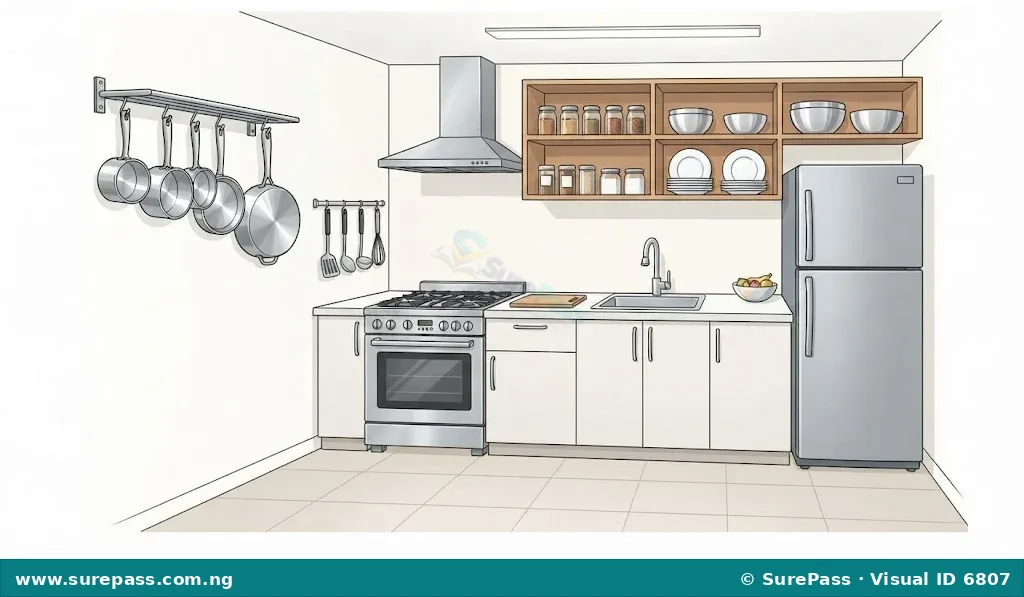
Types of Kitchen Equipment and Tools
Kitchens contain a wide range of items, from large appliances to small handheld tools, all designed to assist in food preparation and cooking. These items can be broadly categorised into large equipment, utensils, and maintenance equipment.
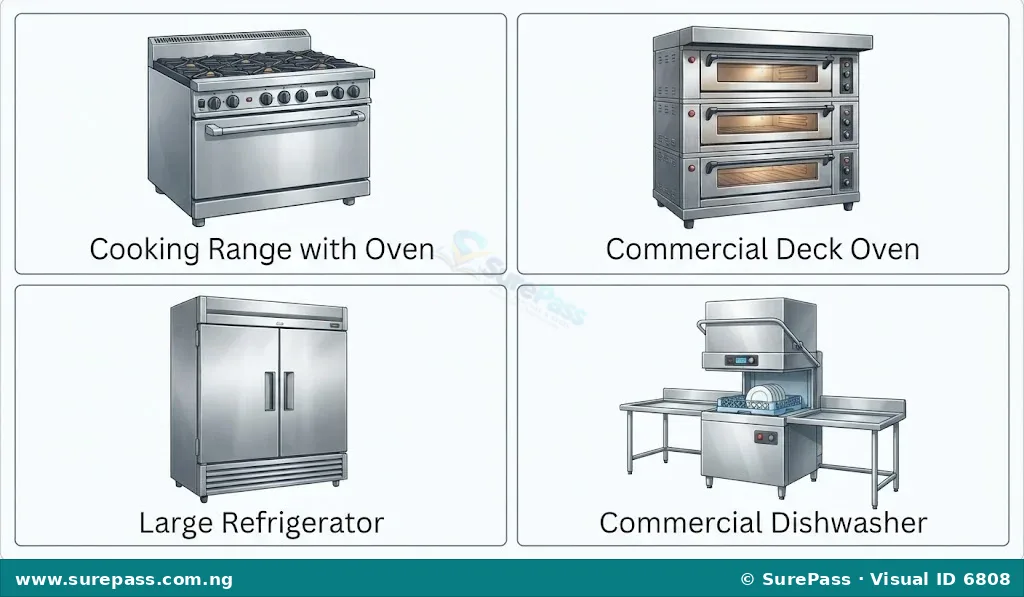
Large Equipment
Large equipment refers to major appliances and fixtures in the kitchen that are typically stationary or difficult to move. These items are essential for primary cooking, storage, and cleaning functions.
Examples of large kitchen equipment include:
- Cooking Ranges: These combine a stovetop with an oven, used for boiling, frying, baking, and roasting.
- Deck Oven: A type of oven where food is baked directly on a flat surface or “deck,” often used in commercial settings for bread and pastries.
- Rack Oven: An oven designed to hold entire racks of food, allowing for large-volume baking or roasting.
- Tunnel Oven: A long, continuous oven through which food passes on a conveyor belt, common in large-scale food production.
- Steam Pot: A large pot designed for cooking food using steam, preserving nutrients and flavour.
- Dishwasher: An appliance that washes and rinses dishes, cutlery, and cooking utensils automatically.
- Refrigerator: An appliance used for keeping food and drinks cold to preserve them.
- Freezer: An appliance used for freezing food to store it for longer periods.
Utensils
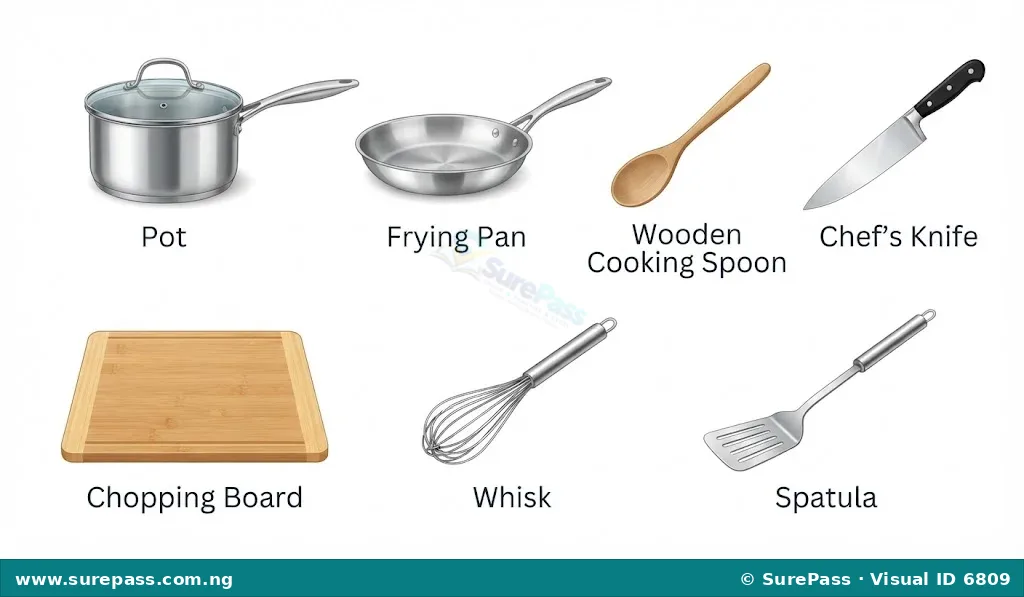
Utensils are smaller, often handheld tools used for specific tasks in food preparation, cooking, and serving. They are typically portable and come in various shapes and sizes.
Examples of kitchen utensils include:
- Pots: Deep, round containers with lids, used for boiling, stewing, and making soups.
- Frying Pans: Shallow, round pans with a long handle, used for frying, searing, and sautéing.
- Cooking Spoons: Spoons of various sizes and materials (wood, metal, silicone) used for stirring, mixing, and serving food.
- Knives: Sharp tools with blades and handles, used for cutting, chopping, slicing, and dicing ingredients.
- Chopping Boards: Flat surfaces, usually made of wood or plastic, used to protect countertops while cutting food.
- Whisks: Tools with wire loops used for beating eggs, mixing batters, and aerating liquids.
- Spatulas: Flat, flexible tools used for flipping, scraping, and spreading.
- Colanders: Bowls with holes, used for draining liquids from pasta, vegetables, or other foods.
Maintenance Equipment
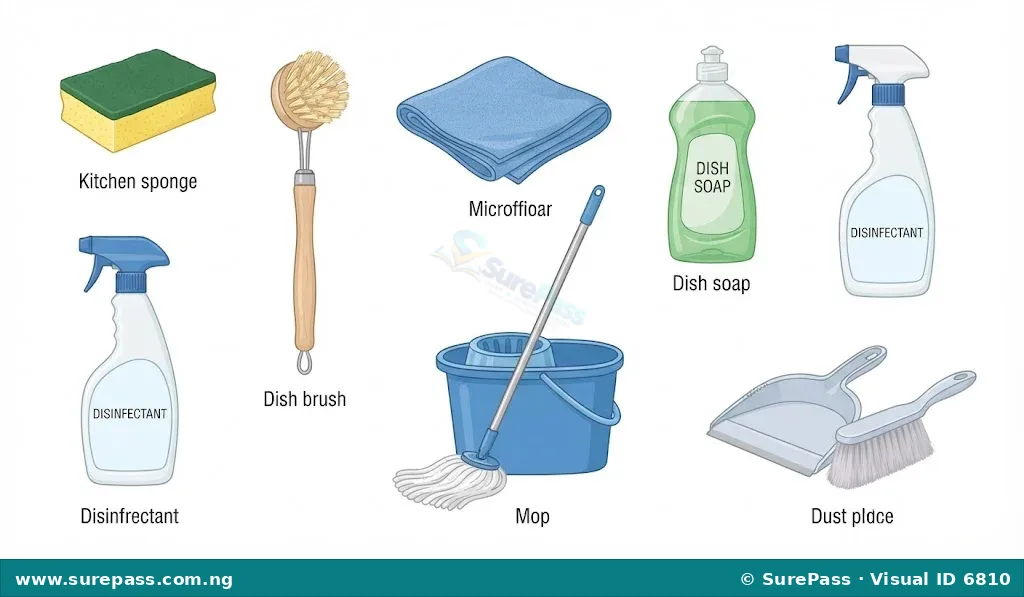
Maintenance equipment consists of tools and supplies specifically used for cleaning and maintaining the kitchen and its other equipment. Proper maintenance equipment ensures hygiene and prolongs the lifespan of kitchen items.
Examples of kitchen maintenance equipment include:
- Sponges and Scourers: Used for scrubbing and cleaning surfaces, pots, and pans.
- Dish Brushes: Brushes with bristles used for cleaning dishes and hard-to-reach areas.
- Cleaning Cloths: Absorbent cloths used for wiping surfaces, drying dishes, and general cleaning.
- Detergents and Soaps: Cleaning agents used to remove grease and food residue from dishes and surfaces.
- Disinfectants: Chemicals used to kill germs and bacteria on kitchen surfaces.
- Mops and Buckets: Used for cleaning kitchen floors.
- Dustpans and Brooms: Used for sweeping and collecting dry debris from floors.
- Waste Bins: Containers for collecting kitchen waste and refuse.
Factors to Consider in Selection of Equipment and Tools
Choosing the right kitchen equipment and tools is crucial for efficiency, safety, and hygiene. Several factors should be carefully considered before making a selection:
- Purpose and Function: The primary consideration is what the equipment will be used for. A cooking range is needed for general cooking, while a specific oven type might be chosen for baking particular items. Each tool should serve a clear purpose.
- Durability and Quality: Equipment should be made from strong, long-lasting materials that can withstand regular use and cleaning. High-quality items may cost more initially but save money in the long run by reducing the need for frequent replacements.
- Cost: The budget available for purchasing equipment is an important factor. It is essential to balance quality with affordability, ensuring that necessary items are acquired without overspending.
- Ease of Cleaning and Maintenance: Kitchen equipment should be easy to clean to maintain hygiene standards. Surfaces that are smooth, non-porous, and resistant to stains and rust are preferable. Complex designs can make cleaning difficult.
- Safety Features: Safety is paramount in the kitchen. Equipment should have features that prevent accidents, such as heat-resistant handles, non-slip bases, safety locks on ovens, and proper insulation for electrical appliances.
- Size and Storage: The available space in the kitchen dictates the size of equipment that can be accommodated. Large equipment needs adequate floor space, while smaller tools require sufficient storage in drawers or on shelves.
- Energy Efficiency: For electrical appliances like refrigerators, ovens, and dishwashers, energy efficiency is important. Energy-efficient models consume less electricity, leading to lower utility bills and reduced environmental impact.
- Material: The material of the equipment affects its performance, durability, and ease of cleaning. Common materials include stainless steel (durable, easy to clean), cast iron (excellent heat retention), non-stick coatings (prevents food from sticking), wood (for cutting boards and spoons), and heat-resistant plastic.
- Availability of Spare Parts and Service: For larger or more complex equipment, it is wise to consider if spare parts are readily available and if there are technicians who can service the equipment locally. This ensures that repairs can be made without long delays.
Maintaining Kitchen Equipment and Tools
Proper maintenance of kitchen equipment and tools is essential for hygiene, safety, and extending their lifespan. Regular cleaning and care prevent the build-up of dirt, grease, and bacteria, ensuring that the kitchen remains a safe environment for food preparation.
General Principles of Kitchen Hygiene
- Clean as You Go: Wipe up spills immediately and clean tools shortly after use to prevent food from drying and sticking.
- Use Appropriate Cleaning Agents: Match the cleaning product to the material and type of dirt. For example, dish soap for general cleaning, abrasive cleaners for tough stains, and disinfectants for sanitising.
- Rinse Thoroughly: After washing with soap or detergent, rinse equipment thoroughly with clean water to remove all chemical residues.
- Dry Properly: Allow equipment to air dry or dry with a clean cloth to prevent water spots and bacterial growth.
- Store Correctly: Store clean and dry equipment in designated, clean areas to prevent contamination.
Cleaning Specific Kitchen Equipment and Tools
- Pots and Pans:
- Stainless Steel: Wash with warm soapy water and a sponge. For stubborn food, soak first, then use a non-abrasive scourer.
- Non-stick: Wash with warm soapy water and a soft sponge or cloth to avoid scratching the non-stick coating. Do not use abrasive scourers.
- Cast Iron: Clean with hot water and a stiff brush. Avoid soap if the pan is seasoned, as it can remove the seasoning. Dry immediately and thoroughly, then apply a thin layer of cooking oil to prevent rust.
- Knives:
- Wash knives immediately after use with warm soapy water.
- Handle carefully, holding the blade away from the body.
- Dry thoroughly with a clean cloth to prevent rust and store in a knife block or on a magnetic strip.
- Cooking Ranges and Ovens:
- Wipe down stovetop surfaces after each use with a damp cloth and mild detergent.
- For ovens, remove racks and clean them separately. Use an oven cleaner or a paste of baking soda and water for interior surfaces, following product instructions.
- Ensure all cleaning agents are rinsed off before using the oven again.
- Dishwashers:
- Regularly clean the filter to remove food particles.
- Run an empty cycle with a dishwasher cleaner or a cup of white vinegar to remove grease and mineral deposits.
- Wipe down the exterior and door seals with a damp cloth.
- Chopping Boards:
- Wash thoroughly with hot soapy water after each use, especially after cutting raw meat or poultry.
- Sanitise regularly with a diluted bleach solution or white vinegar.
- Allow to air dry completely before storing.
- Cleaning Cloths and Sponges:
- Wash cleaning cloths regularly in hot water and detergent.
- Sponges should be disinfected frequently by soaking in a bleach solution or microwaving a damp sponge for one minute. Replace sponges regularly.
Using Kitchen Equipment and Tools Successfully
Using kitchen equipment and tools successfully involves understanding their purpose, operating them safely, and applying proper techniques. This ensures efficient food preparation and prevents accidents.
Demonstrating Uses of Kitchen Equipment and Tools
The following procedures outline how to use some common kitchen equipment and tools effectively and safely:
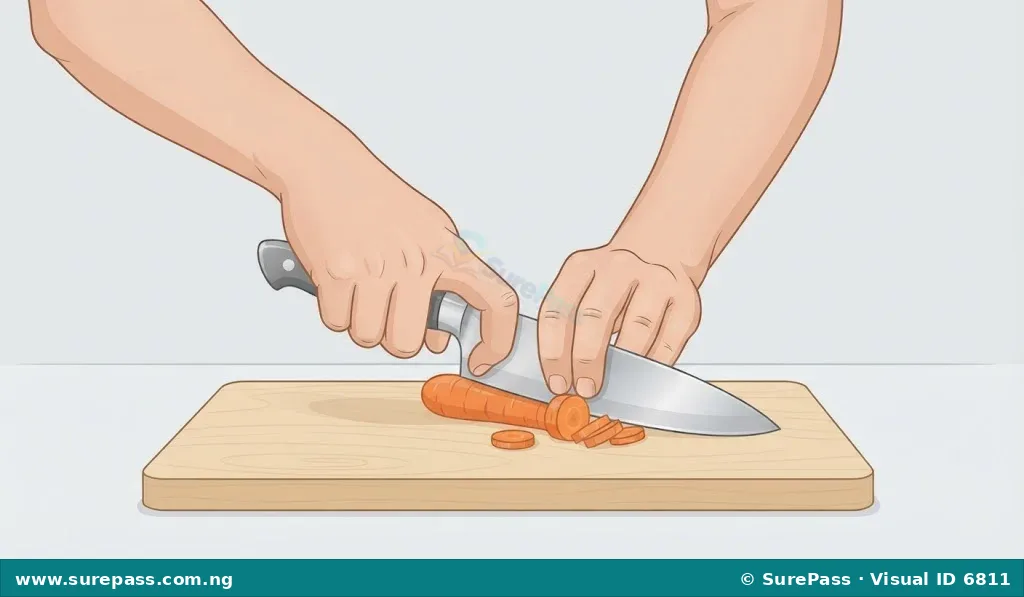
How to Use a Knife for Chopping
A knife is a fundamental tool for preparing ingredients. Proper technique ensures safety and efficiency.
The procedure involves the following steps:
- Select the Right Knife: Choose a chef’s knife or a utility knife suitable for chopping.
- Use a Stable Chopping Board: Place a non-slip chopping board on a flat, stable surface. A damp cloth underneath the board can prevent it from sliding.
- Hold the Knife Correctly: Grip the handle firmly with your dominant hand, wrapping your fingers around it. Your thumb should rest on one side of the blade, and your index finger on the other, or curled around the top of the handle for control.
- Position the Food: Place the food item (e.g., onion, carrot) securely on the chopping board.
- Use the Claw Grip: Curl the fingers of your non-dominant hand inwards, forming a “claw” shape. The knuckles should guide the blade, keeping your fingertips safely tucked away.
- Chop with a Rocking Motion: Place the tip of the knife on the board and rock the blade up and down, moving it forward slightly with each chop. Keep the knife in contact with the board at all times for control.
- Maintain Focus: Always pay attention to the knife and the food. Avoid distractions.
- Clean and Store Safely: After use, wash the knife carefully, dry it, and store it in a knife block or on a magnetic strip.
How to Use a Frying Pan for Sautéing
Sautéing is a cooking method that uses a small amount of fat in a hot pan to cook food quickly.
The procedure involves the following steps:
- Choose the Right Pan: Select a frying pan appropriate for the amount of food to be cooked. A non-stick pan is often preferred for sautéing.
- Heat the Pan: Place the frying pan on a stovetop burner over medium-high heat. Allow it to heat for a minute or two.
- Add Fat: Add a small amount of cooking oil or butter to the hot pan. Swirl the pan to coat the bottom evenly. The fat should shimmer but not smoke.
- Add Food: Carefully add the food (e.g., sliced vegetables, small pieces of meat) to the hot pan in a single layer. Avoid overcrowding the pan, as this can steam the food instead of browning it.
- Cook and Stir: Cook the food, stirring or tossing occasionally with a cooking spoon or spatula, until it is cooked through and lightly browned.
- Remove and Serve: Once cooked, remove the food from the pan and serve immediately.
- Clean the Pan: Allow the pan to cool slightly before washing it with warm soapy water.
How to Use a Cooking Range (Stovetop and Oven)
A cooking range provides both stovetop burners for direct heat cooking and an oven for baking and roasting.
The procedure involves the following steps:
- Stovetop Use:
- Place a pot or pan securely on a burner.
- Turn the corresponding burner knob to the desired heat level (low, medium, high).
- Observe the flame (for gas ranges) or heating element (for electric ranges) to ensure it is working correctly.
- Adjust heat as needed during cooking.
- Turn off the burner completely when cooking is finished.
- Oven Use:
- Preheat the oven by turning the oven knob to the desired temperature setting.
- Allow the oven to reach the set temperature (a light usually indicates when it’s preheated).
- Carefully place the food item (e.g., cake, roasted chicken) into the preheated oven using oven mitts.
- Close the oven door and set a timer for the required cooking duration.
- Monitor the food through the oven window if available, or open the door briefly if necessary.
- Once cooking is complete, turn off the oven and carefully remove the food using oven mitts.
- Safety Precautions:
- Always use oven mitts when handling hot items from the oven or stovetop.
- Keep flammable materials (e.g., paper towels, curtains) away from burners and oven vents.
- Ensure good ventilation when using gas ranges.
- Never leave cooking food unattended, especially when frying.
- Keep children and pets away from hot cooking surfaces.





0 comments
Open the discussion when you need it. Comments stay collapsed until requested so the initial article remains light.