


ARTICLE CONTENTSOn this page 10 sections
Sanitation and Hygiene
Performance Objectives
By the end of the lesson, students should be able to:
- explain the meaning of sanitation and hygiene in catering;
- list different types of sanitation in catering;
- discus the importance of sanitation and hygiene in catering;
- identify different types of hygiene.
Introduction to Sanitation and Hygiene in Catering
In the world of catering, preparing and serving food safely is extremely important. This is where sanitation and hygiene play a critical role. They are essential practices that ensure food is safe to eat and that customers do not fall ill from contaminated food.
Sanitation and hygiene work together to create a clean and healthy environment for food preparation and service. Understanding and applying these practices correctly helps to prevent the spread of germs and diseases.
Meaning of Sanitation in Catering
Sanitation in catering refers to the measures taken to create and maintain a clean and healthy environment, free from agents that can cause disease or contamination, especially in areas where food is prepared, stored, and served.
This includes keeping the entire catering premises clean, from floors and walls to equipment and waste disposal areas. Effective sanitation prevents pests and harmful microorganisms from thriving and contaminating food.
Meaning of Hygiene in Catering
Hygiene in catering refers to the practices and conditions necessary to maintain health and prevent the spread of diseases, particularly through food. It focuses on personal cleanliness, proper food handling, and the cleanliness of equipment and surfaces that come into contact with food.
Good hygiene practices are crucial for anyone involved in food preparation and service to ensure that food remains safe for consumption.
Aspects of Sanitation in Catering
Sanitation in catering covers various aspects to ensure a safe food environment. Two key aspects are water sanitation and environmental sanitation.
Water Sanitation
Water sanitation in catering involves ensuring that all water used in the catering facility is safe and clean. This includes water used for:
- Drinking.
- Cooking.
- Washing food items like fruits and vegetables.
- Washing dishes, utensils, and equipment.
- Cleaning the premises.
Unsafe water can carry harmful bacteria and viruses, leading to food poisoning and other illnesses. Therefore, access to a clean, potable (safe to drink) water supply is fundamental to good catering practices.
Environmental Sanitation
Environmental sanitation focuses on maintaining the cleanliness and healthiness of the entire physical surroundings of the catering operation. This includes:
- Keeping floors, walls, and ceilings clean.
- Proper disposal of waste and refuse.
- Controlling pests like insects and rodents.
- Ensuring adequate ventilation and lighting.
- Maintaining clean drainage systems.
A clean environment reduces the risk of contamination and provides a safe working space for catering staff.
Types of Sanitation in Catering
Sanitation practices in catering can be categorised into different types based on their purpose and timing. These types help to ensure a comprehensive approach to cleanliness and safety.
Preventative Sanitation
Preventative sanitation involves taking measures to stop contamination and health hazards from occurring in the first place. These are proactive steps designed to maintain a high standard of cleanliness continuously.
Examples of preventative sanitation include:
- Regular cleaning schedules for all areas and equipment.
- Implementing pest control programmes.
- Ensuring proper storage of food and non-food items.
- Training staff on hygiene practices before they start work.
- Designing kitchen layouts that are easy to clean and maintain.
Corrective Sanitation
Corrective sanitation involves taking action to address and eliminate contamination or health hazards that have already occurred. These are reactive measures taken when a problem is identified.
Examples of corrective sanitation include:
- Thorough cleaning and disinfection after a spill or contamination incident.
- Repairing broken equipment that could harbour germs.
- Deep cleaning areas found to have pest infestations.
- Disposing of contaminated food items immediately.
- Addressing and fixing issues with water supply or drainage systems.
Environmental Sanitation
Environmental sanitation, as discussed earlier, is a type of sanitation that focuses on the cleanliness and health of the physical surroundings of the catering facility. It ensures that the entire environment, both inside and outside the kitchen, supports safe food handling.
This type of sanitation is crucial because a dirty environment can easily lead to food contamination, even if personal and food hygiene practices are followed.
Types of Hygiene in Catering
Hygiene in catering is broadly categorised into different types, each focusing on a specific area to prevent contamination and ensure food safety.
Food Hygiene
Food hygiene refers to the practices involved in handling, preparing, storing, and serving food in a way that prevents contamination and ensures it is safe to eat. It covers the entire journey of food from receiving to serving.
Key aspects of food hygiene include:
- Washing raw fruits and vegetables thoroughly.
- Cooking food to the correct temperatures to kill harmful bacteria.
- Storing food at safe temperatures (refrigeration for cold foods, hot holding for hot foods).
- Preventing cross-contamination between raw and cooked foods.
- Using clean utensils and cutting boards for different food types.
Personal Hygiene
Personal hygiene refers to the cleanliness of individuals who handle food. Food handlers can easily transfer germs from their bodies or clothes to food if they do not maintain good personal hygiene.
Important personal hygiene practices for catering staff include:
- Washing hands thoroughly with soap and water before, during, and after handling food.
- Wearing clean protective clothing, such as aprons and hairnets.
- Keeping fingernails short and clean, without nail polish.
- Avoiding touching the face, hair, or nose while handling food.
- Covering cuts or wounds with waterproof dressings.
- Not working when ill, especially with stomach upsets or infections.
Kitchen Hygiene
Kitchen hygiene focuses on maintaining the cleanliness of the kitchen area, including all surfaces, equipment, and utensils. A clean kitchen is fundamental to preventing food contamination.
Practices for good kitchen hygiene include:
- Regular cleaning and sanitising of work surfaces, chopping boards, and sinks.
- Washing and sanitising all cooking equipment and utensils after each use.
- Keeping storage areas clean and organised.
- Ensuring waste bins are covered, emptied regularly, and cleaned.
- Maintaining clean floors, walls, and ceilings in the kitchen.
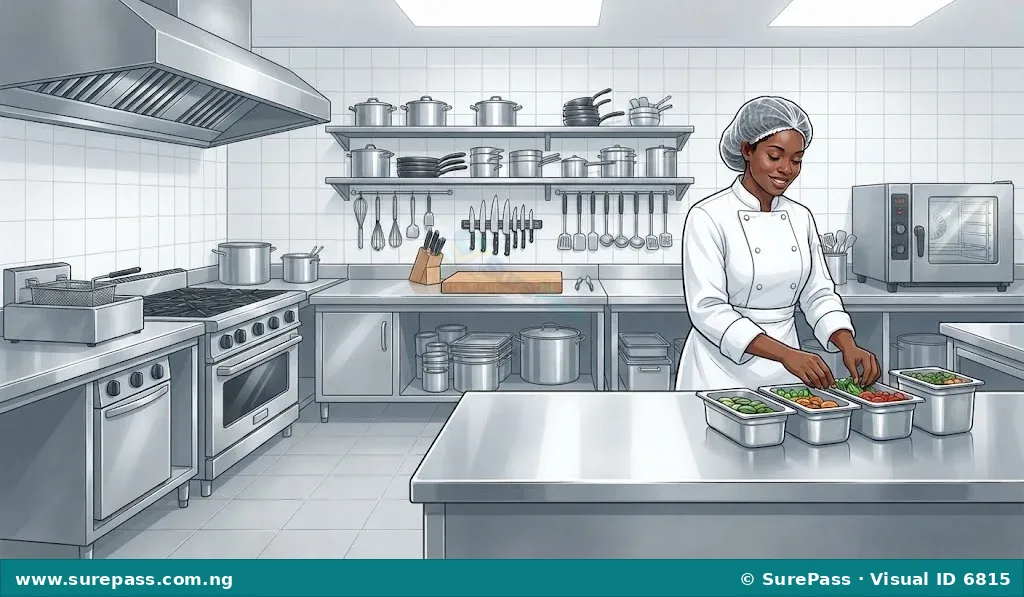
Importance of Sanitation and Hygiene in Catering
Maintaining high standards of sanitation and hygiene in catering is not just a good practice; it is critical for several reasons that impact health, business, and reputation.
- Prevents Foodborne Illnesses: The most important reason is to prevent food poisoning and other foodborne diseases. Contaminated food can cause severe illness, hospitalisation, or even death. Good sanitation and hygiene ensure that food is safe for consumption.
- Protects Customer Health: Customers trust catering establishments to provide safe food. Adhering to strict hygiene standards protects the health and well-being of customers, building their confidence in the service.
- Maintains Business Reputation: A catering business known for its cleanliness and safe food practices builds a strong, positive reputation. Conversely, a single incident of food poisoning can severely damage a business’s image and lead to loss of customers.
- Ensures Legal Compliance: There are laws and regulations governing food safety and hygiene in catering. Businesses must comply with these standards to avoid fines, closure, or legal action.
- Reduces Waste and Costs: Proper food hygiene practices, such as correct storage and handling, reduce food spoilage and waste. This helps to control costs and improve profitability.
- Creates a Safe Working Environment: A clean and organised catering environment is safer for staff. It reduces the risk of accidents, such as slips and falls, and promotes a healthier workplace.
- Controls Pests: Good sanitation practices, including proper waste management and cleaning, deter pests like rodents and insects, which can spread diseases and contaminate food.
Carrying Out Sanitation and Hygiene in Food Handling and Services
Practical application of sanitation and hygiene is essential in any catering setting. This involves specific steps for cleaning the environment and maintaining personal cleanliness during food handling.
Practical Steps for Environmental Sanitation in the Kitchen
Environmental sanitation ensures that the kitchen space itself is clean and safe for food preparation. This procedure outlines basic steps for cleaning a kitchen area.
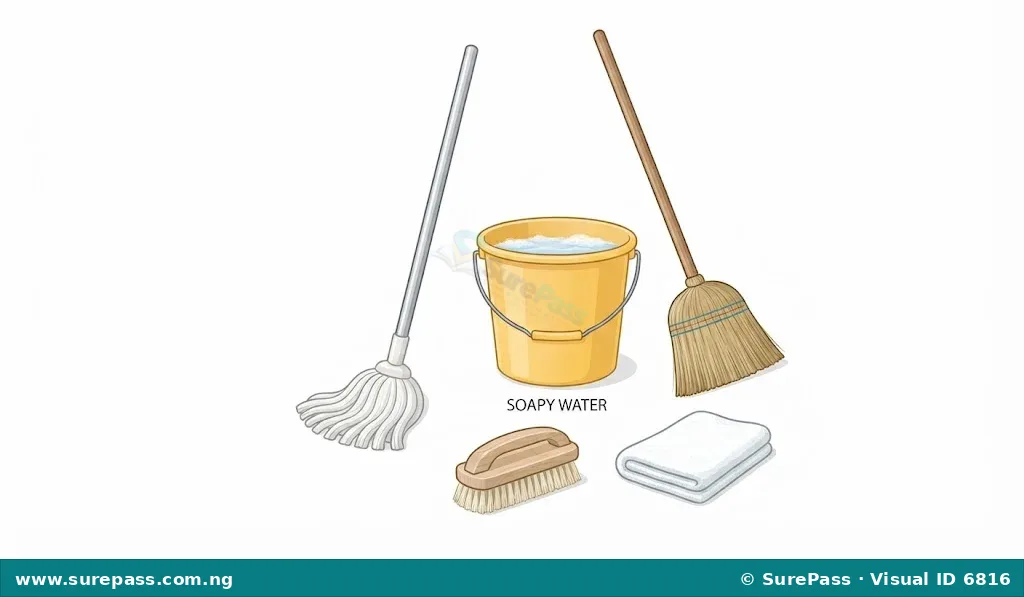
The required materials are:
- Water
- Brooms
- Mops
- Detergents
- Brushes (for scrubbing)
- Buckets
- Towels or clean cloths
- Rake (if outdoor areas are part of the environment)
The procedure involves the following steps:
- Clear the Area: Remove all movable items, food scraps, and loose dirt from work surfaces and floors.
- Sweep the Floor: Use a broom to sweep loose dirt, dust, and debris from the floor, starting from the corners and working towards the centre. Collect the sweepings into a dustpan and dispose of them in a covered waste bin.
- Wash Surfaces: Mix detergent with water in a bucket. Use a clean cloth or sponge to wash all work surfaces, sinks, and equipment exteriors. Scrub stubborn stains with a brush.
- Rinse Surfaces: Rinse all washed surfaces with clean water to remove detergent residue.
- Sanitise Surfaces: Apply a food-safe sanitiser to all food contact surfaces according to product instructions. Allow it to air dry or wipe with a clean, dry towel.
- Mop the Floor: Mop the floor with detergent solution, paying attention to greasy or sticky areas. Rinse the mop frequently in clean water.
- Rinse and Dry Floor: Mop the floor again with clean water to remove detergent. Allow the floor to air dry completely or use a clean, dry mop to speed up drying.
- Empty and Clean Bins: Empty all waste bins, wash them with detergent and water, rinse, and sanitise them. Line them with clean bags before returning them to their places.
- Clean Outdoor Areas (if applicable): If there are outdoor areas like loading docks or refuse areas, use a rake to clear debris and ensure these areas are also kept clean and tidy.
- Store Equipment: Clean all cleaning tools (brooms, mops, buckets) and store them in a designated clean area.
Practical Steps for Personal Hygiene in Food Handling
Maintaining personal hygiene is crucial for food handlers to prevent contamination of food. This procedure outlines key personal hygiene practices.
The required materials are:
- Liquid soap
- Clean running water
- Paper towels or a clean, dry hand towel
- Clean apron
- Hairnet or cap
- Waterproof dressing (for cuts)
The procedure involves the following steps:
- Wash Hands Thoroughly:
- Wet hands under clean running water.
- Apply enough liquid soap to cover all hand surfaces.
- Rub hands palm to palm.
- Rub the back of each hand with the palm of the other hand, interlocking fingers.
- Rub palms together with fingers interlocked.
- Rub the back of fingers against opposing palms with fingers interlocked.
- Rub each thumb clasped in the opposite palm.
- Rub the tips of fingers in the opposite palm in a circular motion.
- Rinse hands thoroughly under running water.
- Dry hands completely with a clean paper towel or a designated clean hand towel.
- Wear Clean Protective Clothing: Put on a clean apron and a hairnet or cap to cover all hair. This prevents hair and clothing fibres from falling into food.
- Keep Fingernails Clean: Ensure fingernails are short, clean, and free of nail polish, as polish can chip and fall into food.
- Cover Cuts and Wounds: If there are any cuts, sores, or wounds on hands or arms, cover them with a clean, waterproof dressing before handling food.
- Avoid Touching Face and Hair: During food preparation, avoid touching the face, nose, mouth, or hair, as this can transfer germs to hands and then to food.
- Do Not Work When Ill: If feeling unwell, especially with symptoms like vomiting, diarrhoea, or fever, report it to a supervisor and avoid handling food.
- Use Separate Utensils: Always use clean utensils and avoid using bare hands to touch ready-to-eat food.




0 comments
Open the discussion when you need it. Comments stay collapsed until requested so the initial article remains light.