


ARTICLE CONTENTSOn this page 6 sections
Dishes
Performance Objectives
By the end of the lesson, students should be able to:
- explain the meaning of dishes in catering;
- identify different types of dishes and their uses;
- classify dishes according to courses and meal types;
- prepare simple local and continental dishes hygienically;
- serve and present dishes appropriately for different occasions.
Meaning of Dishes
In catering, a dish refers to a specific food item or a combination of food items that has been prepared and cooked, ready to be served as part of a meal.
Dishes are typically made from various ingredients such as grains, cereals, vegetables, poultry, dairy products, fruits, and oils, which are combined and cooked using different methods to create distinct flavours and textures. Each dish is designed to be eaten at a particular point in a meal or for a specific occasion.
Types of Dishes and Their Uses
Dishes can be categorised in many ways, often based on their main ingredients, preparation methods, or their role in a meal. Understanding different types of dishes helps in planning balanced and appealing menus.
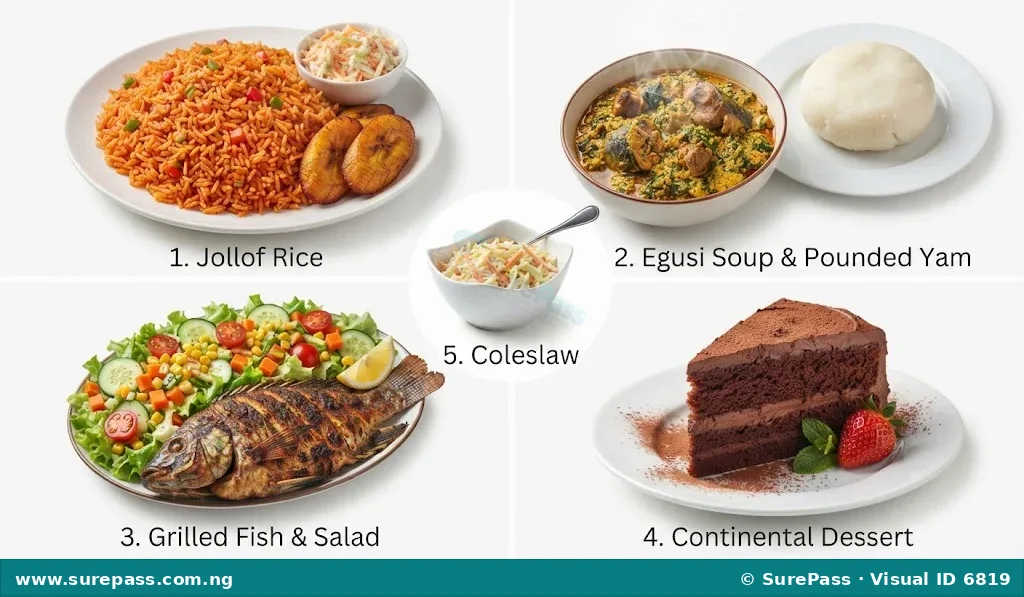
The following are common types of dishes with examples of both local (Nigerian) and continental varieties, along with their uses:
-
Staple Dishes: These are often carbohydrate-rich foods that form the main part of a meal, providing energy. They are usually served as the main course.
- Local Examples: Jollof Rice, Fried Rice, Pounded Yam, Eba, Amala, Tuwo Shinkafa, Boiled Yam, Rice and Beans.
- Continental Examples: Pasta dishes (e.g., Spaghetti Bolognese, Lasagna), Mashed Potatoes, Rice Pilaf, Bread (as a side).
- Uses: To provide energy, serve as the foundation of a meal, and accompany soups, stews, or sauces.
-
Soups and Stews: These are liquid or semi-liquid dishes, often rich in flavour, made from various ingredients cooked together. They can be served as a starter or as an accompaniment to staple dishes.
- Local Examples: Egusi Soup, Okra Soup, Vegetable Soup (Efo Riro, Edikang Ikong), Banga Soup, Groundnut Soup, Tomato Stew.
- Continental Examples: Cream of Mushroom Soup, Chicken Noodle Soup, Beef Stew, Lentil Soup, Minestrone.
- Uses: To accompany swallows (like Pounded Yam, Eba), rice, or pasta; to warm the body; to stimulate appetite (as a starter).
-
Protein-Rich Dishes: These dishes primarily feature meat, poultry, fish, or other protein sources. They are crucial for body building and repair and are typically served as part of the main course.
- Local Examples: Grilled Fish, Fried Chicken, Suya, Peppered Snail, Goat Meat Pepper Soup.
- Continental Examples: Roasted Chicken, Grilled Steak, Baked Fish, Meatballs, Omelettes, Fried Eggs.
- Uses: To provide protein for growth and repair, add flavour and substance to a meal, and serve as a central component of the main course.
-
Vegetable and Salad Dishes: These dishes are made primarily from fresh or cooked vegetables and fruits. They provide vitamins, minerals, and fibre, contributing to a balanced diet.
- Local Examples: Garden Egg Sauce, Steamed Ugu (fluted pumpkin) leaves, African Salad (Abacha).
- Continental Examples: Green Salad, Coleslaw, Fruit Salad, Steamed Broccoli, Roasted Vegetables.
- Uses: To provide essential nutrients, add freshness and crunch to a meal, aid digestion, and serve as a light meal or side dish.
-
Desserts: These are sweet dishes served at the end of a meal. They provide a pleasant finish to the dining experience.
- Local Examples: Fresh fruits (e.g., Watermelon, Pineapple, Mango), Puff-puff, Akara (though often a snack, can be a light dessert).
- Continental Examples: Cakes, Ice Cream, Fruit Tarts, Puddings, Chocolate Mousse.
- Uses: To conclude a meal with a sweet taste, satisfy cravings, and provide a sense of satisfaction.
Classification of Dishes According to Courses and Meal Types
Dishes are often organised and served in a specific order during a meal, known as courses, or prepared for particular meal times. This classification helps in structuring menus and dining experiences.
Dishes According to Courses
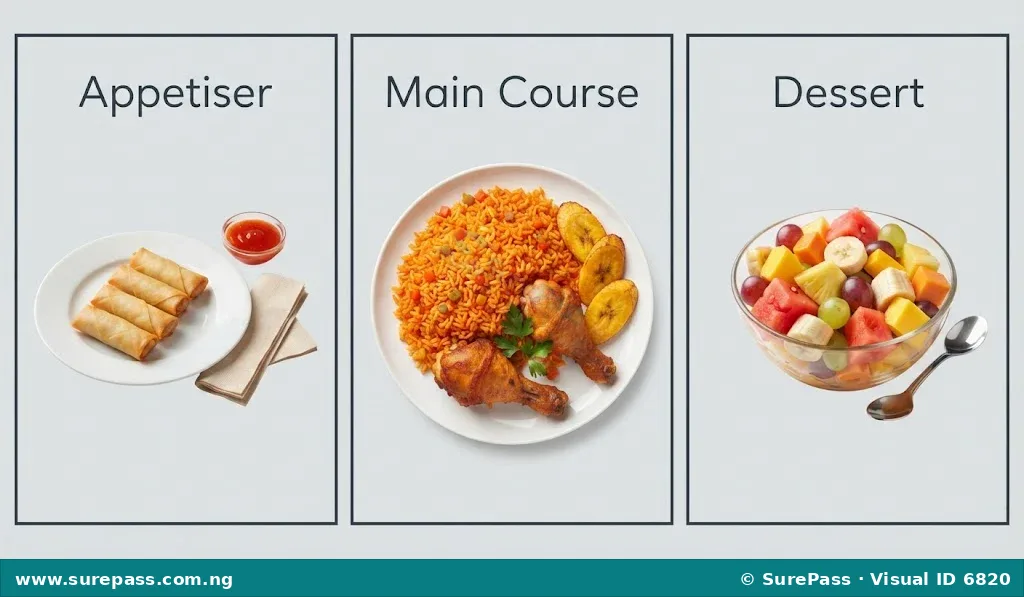
A course is a distinct part of a meal, served separately from the others. A typical multi-course meal includes:
-
Appetisers/Starters: These are small, light dishes served before the main course to stimulate the appetite.
- Characteristics: Small portions, often savoury, sometimes tangy or spicy.
- Examples: Spring Rolls, Samosas, Prawn Cocktail, Pepper Soup, Garden Salad, small portions of Akara.
-
Main Course: This is the primary and most substantial dish of a meal. It is usually the largest and most filling part.
- Characteristics: Consists of a protein (meat, fish, poultry), a carbohydrate (rice, yam, pasta), and often vegetables.
- Examples: Jollof Rice with Fried Chicken and Plantain, Pounded Yam with Egusi Soup, Spaghetti Bolognese, Roasted Fish with Mashed Potatoes and Steamed Vegetables.
-
Desserts: These are sweet dishes served at the end of a meal to provide a pleasant finish.
- Characteristics: Sweet, often rich, can be hot or cold.
- Examples: Fruit Salad, Ice Cream, Cake, Pudding, Chin-chin (as a light sweet snack).
Dishes According to Meal Types
Dishes are also prepared and served based on the time of day or the specific occasion for which the meal is intended.
-
Breakfast Dishes: These are typically light and energising dishes consumed in the morning to break the overnight fast.
- Characteristics: Often quick to prepare, can be sweet or savoury, includes items like eggs, cereals, bread, and fruits.
- Examples: Pap and Akara, Yam and Egg Sauce, Bread and Tea, Omelette, Cereal with Milk, Pancakes.
-
Lunch Dishes: These are usually consumed in the middle of the day and can range from light to substantial, depending on cultural practices and individual needs.
- Characteristics: Often a balanced meal, can be a lighter version of dinner or a quick, convenient option.
- Examples: Small portion of Jollof Rice, Fried Rice, Eba with a light soup, Sandwich, Salad, Noodles.
-
Dinner Dishes: These are typically the last main meal of the day, consumed in the evening. They are often more elaborate than lunch.
- Characteristics: Can be a full, multi-course meal, often includes a main protein, carbohydrate, and vegetables.
- Examples: Pounded Yam with Egusi Soup, Rice and Stew with Fish, Roasted Chicken with Potatoes, Pasta dishes.
-
Snack Dishes: These are small portions of food eaten between main meals to curb hunger or provide a quick energy boost.
- Characteristics: Light, easy to eat, can be sweet or savoury.
- Examples: Puff-puff, Buns, Chin-chin, Biscuits, Fruits, Groundnuts, Boiled Corn.
Preparing and Presenting Simple Local and Continental Dishes Hygienically
Preparing and presenting dishes hygienically is crucial in catering to ensure food safety and appeal. This involves following strict hygiene practices and understanding basic presentation techniques.
Hygienic Food Preparation
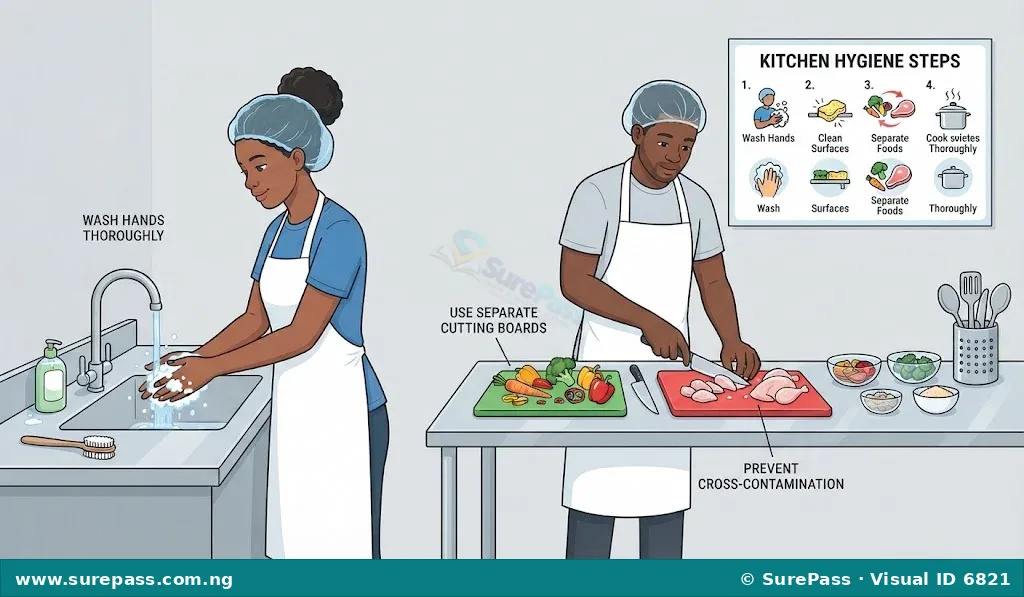
Hygienic food preparation prevents food contamination and ensures that dishes are safe to eat. It involves personal hygiene, kitchen hygiene, and proper food handling.
The procedure for hygienic food preparation involves the following steps:
- Personal Hygiene:
- Wash hands thoroughly with soap and clean water before, during, and after handling food.
- Tie back long hair or wear a hairnet to prevent hair from falling into food.
- Wear clean clothes or an apron to avoid transferring dirt or germs to food.
- Avoid touching the face, hair, or mouth while preparing food.
- Cover any cuts or wounds on hands with waterproof dressings.
- Kitchen Hygiene:
- Ensure all work surfaces, utensils, and equipment are clean and sanitised before use.
- Use separate cutting boards and knives for raw meat, poultry, and fish, and for ready-to-eat foods like vegetables and fruits, to prevent cross-contamination.
- Keep the kitchen area clean and free from pests.
- Dispose of waste properly in covered bins.
- Food Handling and Storage:
- Wash all fruits and vegetables thoroughly under running water before use.
- Thaw frozen foods safely, either in the refrigerator, under cold running water, or in a microwave. Do not thaw at room temperature.
- Cook foods to the correct internal temperatures to kill harmful bacteria.
- Keep hot foods hot (above 60°C) and cold foods cold (below 5°C).
- Store raw and cooked foods separately in the refrigerator to prevent cross-contamination.
- Use fresh ingredients, such as grains, cereals, vegetables, poultry, dairy products, fruits, and oils, and check their expiry dates.
Serving and Presentation Techniques
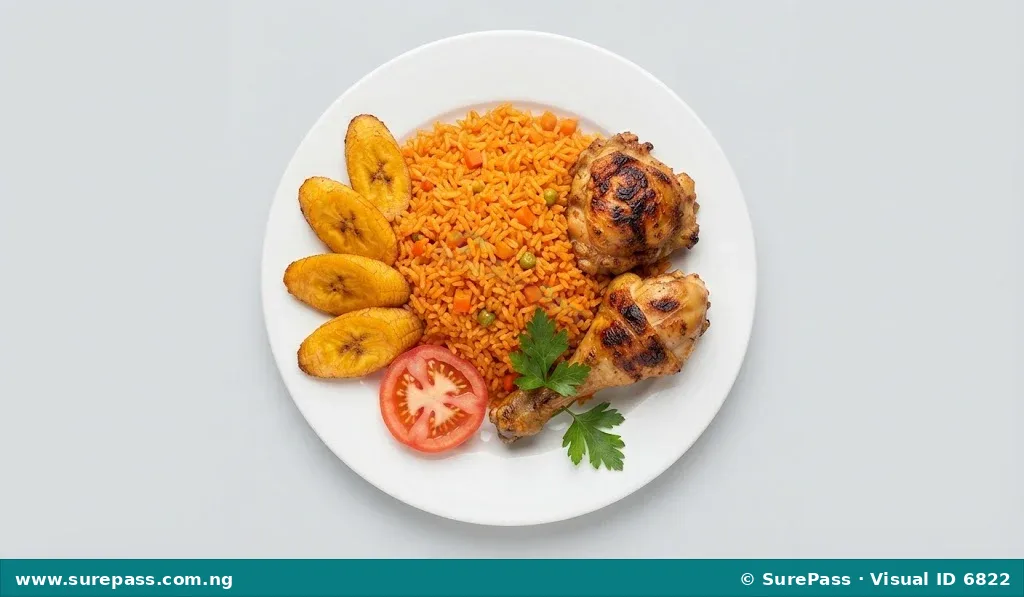
Appropriate serving and presentation enhance the appeal of a dish and the overall dining experience. It involves arranging food attractively on the plate and setting the table appropriately.
The procedure for serving and presenting dishes appropriately involves the following steps:
- Plating the Dish:
- Choose a clean plate of appropriate size and shape for the dish.
- Arrange the main components of the dish (protein, carbohydrate, vegetables) attractively on the plate. Aim for balance in colour, texture, and height.
- Avoid overcrowding the plate; leave some space around the food.
- Wipe the edges of the plate clean before serving to remove any spills or drips.
- Garnishing:
- Use simple, edible garnishes that complement the dish’s flavour and add visual appeal. Examples include fresh herbs (parsley, coriander), a slice of lemon or lime, or a sprinkle of chopped vegetables.
- Ensure garnishes are fresh and neatly placed.
- Temperature Control:
- Serve hot dishes hot and cold dishes cold. Use warmed plates for hot food and chilled plates for cold food where appropriate.
- Table Setting:
- For formal occasions, set the table with clean tablecloths, appropriate cutlery, glassware, and napkins.
- For casual occasions, ensure the table is clean and tidy, with basic cutlery and serving dishes.
- Serving Etiquette:
- Serve guests politely, usually from their left side, placing the plate in front of them.
- Offer condiments or sauces separately if they are not part of the main plating.



0 comments
Open the discussion when you need it. Comments stay collapsed until requested so the initial article remains light.