



ARTICLE CONTENTSOn this page 7 sections
Developmental Changes in Plants
Performance Objectives
By the end of the lesson, students should be able to:
- describe changes in plants and animals;
- state the major causes of the observed changes in plants and animals;
- record the observed changes.
What Are Growth and Development in Plants?
Growth in plants refers to an increase in size, height, and the number of parts like leaves and branches. It is about getting bigger and adding more parts.
Development in plants refers to the changes in form and function that a plant goes through during its life cycle. This includes changes like forming flowers, producing fruits, or shedding leaves.
Imagine a small seedling that sprouts from a seed. As it grows, it becomes taller and develops more leaves. This is growth. Later, the plant may produce flowers, which then turn into fruits. These changes in form and function are part of its development.
Observable Changes in Plants
Plants go through many changes as they grow and develop. These changes are part of their life cycle and help them survive and reproduce.
New Shoots and Leaves
When a seed first sprouts, it produces a small shoot and a few leaves. As the plant grows, more shoots emerge, and new leaves continuously form. These new parts help the plant make more food.
Increase in Size
One of the most noticeable changes in plants is their increase in size. A small seedling grows into a larger plant, and some plants can become very tall trees. The stem becomes thicker, and the root system grows deeper into the soil.
Flowering
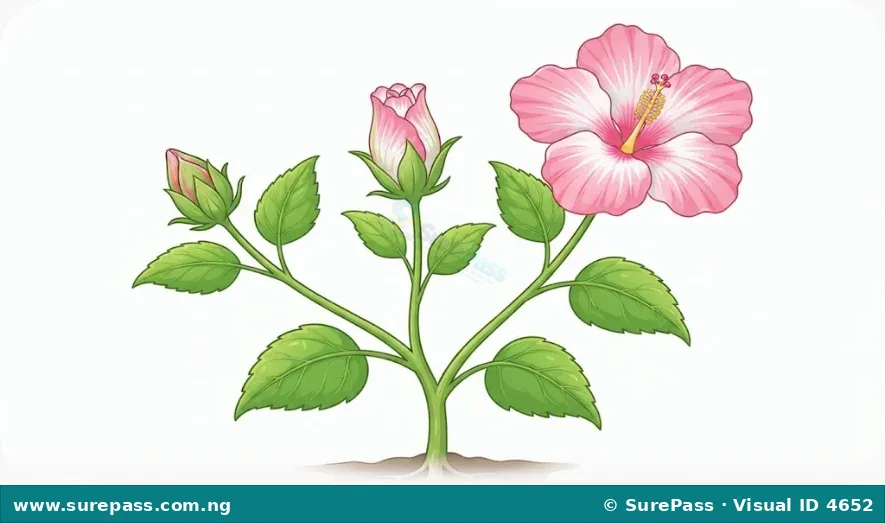
Many plants produce flowers at a certain stage of their development. Flowers are the reproductive parts of the plant. They come in different colours, shapes, and sizes. For example, a mango tree will produce small flowers before it produces mango fruits.
Fruiting
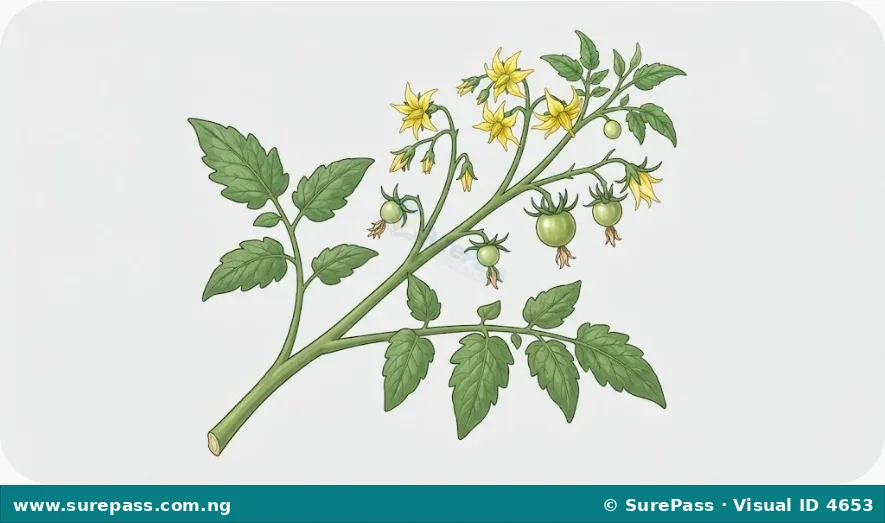
After a plant flowers, the flowers often change and develop into fruits. Fruits contain seeds, which are important for growing new plants. Examples of fruits include oranges, mangoes, tomatoes, and garden eggs. The fruit protects the seeds and helps in their dispersal.
Leaf Fall
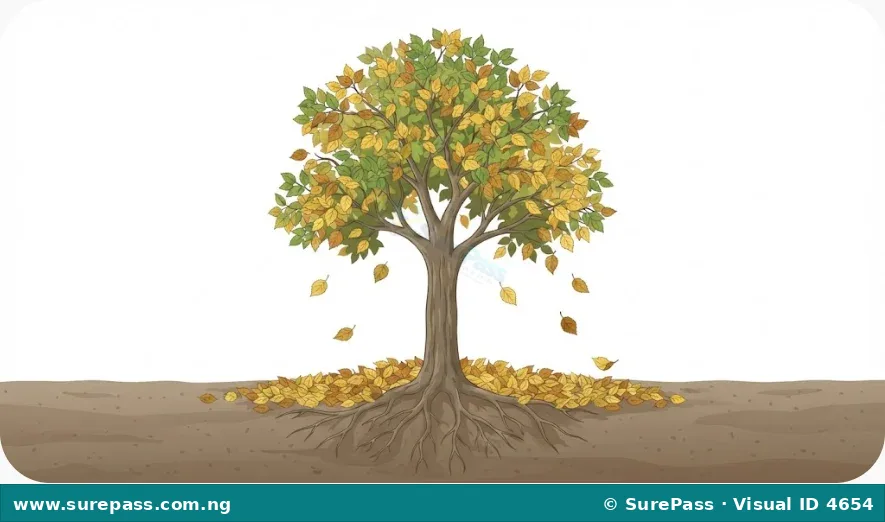
Some plants shed their leaves at certain times of the year. This is called leaf fall. For example, during the dry season, some trees shed their leaves to conserve water. New leaves usually grow back when the rainy season returns.
Causes of Changes in Plants
The changes observed in plants are caused by several factors from their environment and their own internal processes.
Sunlight
Sunlight is essential for plants to make their food through a process called photosynthesis. Without enough sunlight, plants cannot grow well, and their leaves may turn yellow. Sunlight also influences when plants flower and produce fruits.
Water
Water is vital for all plant processes. Plants absorb water from the soil through their roots. Water helps transport nutrients, keeps the plant firm, and is used in food production. Lack of water can cause leaves to wilt and fall, and the plant may stop growing or even die.
Nutrients from Soil
Plants need nutrients from the soil to grow healthy and strong. These nutrients are like food for the plant. If the soil lacks important nutrients, the plant may grow slowly, have small leaves, or fail to produce flowers and fruits.
Temperature
The temperature of the environment affects plant growth and development. Some plants grow best in warm conditions, while others prefer cooler temperatures. Extreme heat or cold can slow down growth, prevent flowering, or even damage the plant.
Age of the Plant
Just like humans and animals, plants also have a life cycle. They are born, grow, mature, reproduce, and eventually die. The age of a plant determines when it will flower, produce fruit, or shed leaves. These changes are part of its natural life cycle.
Recording Changes in Plants
Observing and recording changes in plants helps us understand how they grow and what factors affect them. A simple way to record these changes is by using a table.
The procedure for recording changes involves the following steps:
- Choose a Plant: Select a plant in your school garden or surroundings that you can observe over several weeks.
- Observe Regularly: Look at the plant every few days or once a week.
- Note Down Changes: Write down what you see. For example, “new leaf appeared,” “flower bud forming,” “fruit getting bigger,” or “leaves turning yellow.”
- Record the Date: Always write the date when you make an observation.
- Suggest Causes: Think about what might have caused the change you observed.
Here is an example of how to record changes in a plant:
| Date | Observed Change in Plant | Possible Cause of Change |
|---|---|---|
| 2024-05-01 | Small green shoot with two tiny leaves. | Seed just germinated, good water and sunlight. |
| 2024-05-08 | Plant is taller, has four larger leaves. | Growth due to sunlight, water, and soil nutrients. |
| 2024-05-15 | First flower bud appeared. | Plant reaching maturity, sufficient sunlight. |
| 2024-05-22 | Flower bud opened into a yellow flower. | Natural development stage, good temperature. |
| 2024-05-29 | Flower started to wither, small green fruit forming. | Flower developing into fruit after pollination. |
| 2024-06-05 | Fruit is bigger and turning slightly red. | Fruit ripening, continued water and sunlight. |
Analysing and Interpreting Information
After recording changes in a plant over time, it is important to analyse and interpret the information. This means looking at your records to understand what happened and why.
When you analyse the information, you can look for patterns. For example, did the plant grow faster after a period of heavy rain? Did it start flowering when the weather became warmer? Interpreting the information means drawing conclusions from your observations. For instance, if a plant’s leaves turned yellow and fell off during a dry spell, you can interpret that lack of water caused the leaf fall.





0 comments
Open the discussion when you need it. Comments stay collapsed until requested so the initial article remains light.