


ARTICLE CONTENTSOn this page 6 sections
Concept of Entrepreneurship
Performance Objectives
By the end of the lesson, students should be able to:
- explain the meaning of entrepreneurship, intrapreneur and entrepreneur;
- discuss the benefits of entrepreneurship;
- differentiate between intrapreneur and entrepreneur;
- identify the challenges of entrepreneurship practices in Nigeria.
Meaning of Entrepreneurship
Entrepreneurship is the activity of starting a new business, often involving risks, in the hope of making a profit.
It involves identifying a need or a problem in the community and creating a product or service to meet that need. For example, if many people in an area need their hair styled, an entrepreneur might open a salon. This person takes the idea, gathers the necessary resources like tools and a location, and manages the business to serve customers.
Benefits of Entrepreneurship
Entrepreneurship brings many good things to individuals and to the country. When people start businesses, they create value and help the economy grow.
The benefits of entrepreneurship include:
- Job Creation: Entrepreneurs create jobs for themselves and for others. When a hair salon opens, it needs stylists, assistants, and cleaners. These are all jobs created by the entrepreneur.
- Wealth Creation: Successful businesses earn money, which helps the entrepreneur and their employees improve their lives. This wealth also contributes to the country’s economy.
- Innovation and New Products: Entrepreneurs often come up with new ideas, products, or services that make life better or easier. For instance, a makeup artist might introduce a new style or technique that becomes popular.
- Solving Community Problems: Many businesses start by trying to solve a problem. A local baker provides fresh bread, solving the problem of people needing food. A fashion designer creates clothes, solving the problem of people needing attire.
- Economic Growth: When many businesses are started and grow, the country’s economy becomes stronger. This leads to better living standards for everyone.
The Entrepreneur and the Intrapreneur
What is an Entrepreneur?
An entrepreneur is a person who starts a new business, taking on most of the risks and enjoying most of the rewards.
Entrepreneurs are independent. They come up with their own business ideas, find the money to start, and manage all aspects of the business themselves. For example, a person who opens their own hair salon or starts a makeup artistry service from scratch is an entrepreneur.
What is an Intrapreneur?
An intrapreneur is an employee within a large company who is given the freedom and resources to develop new products, services, or systems for the company.
Intrapreneurs work inside an existing organisation. They act like entrepreneurs but use the company’s resources and support. For example, a senior stylist in a large beauty chain who develops a new hair treatment line for the salon, using the salon’s budget and staff, is an intrapreneur.
Differentiating Between an Entrepreneur and an Intrapreneur
The main difference lies in their independence and the resources they use. An entrepreneur starts a business from scratch, taking personal risks. An intrapreneur works within an existing company, using the company’s resources to innovate, with less personal financial risk.
Types of Entrepreneurs
Entrepreneurs can be found in almost every area of life, creating businesses that meet different needs. The type of entrepreneur often depends on the kind of business they run.
Examples of entrepreneurs in different fields include:
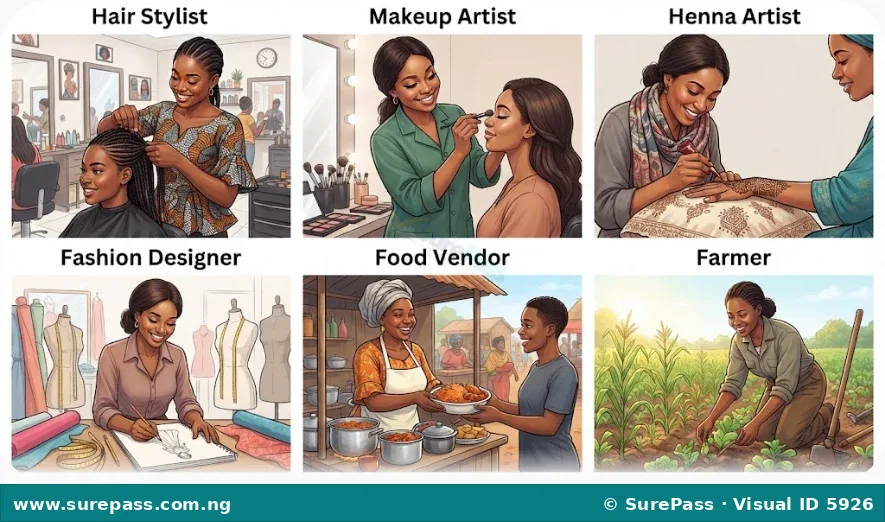
- Hair Stylist Entrepreneur: A person who owns and operates a hair salon, offering services like braiding, weaving, cutting, and styling.
- Makeup Artist Entrepreneur: Someone who runs their own business providing makeup services for events, weddings, photoshohoots, or teaching makeup skills.
- Henna Designer Entrepreneur: A person who offers professional henna application services for celebrations, cultural events, or personal adornment.
- Fashion Designer Entrepreneur: A person who designs, produces, and sells their own clothing line.
- Food Vendor Entrepreneur: Someone who owns a small restaurant, buka, or food stall, selling meals and snacks.
- Farmer Entrepreneur: A person who owns and manages a farm, growing crops or raising animals for sale.
Characteristics of Entrepreneurs and Intrapreneurs
Successful entrepreneurs and intrapreneurs often share certain qualities that help them succeed. These characteristics are:
- Creativity and Innovation: They think of new ideas, new ways of doing things, or new products and services.
- Risk-taking: They are willing to take calculated chances with their time, money, and effort, knowing that success is not guaranteed.
- Determination and Persistence: They do not give up easily when faced with challenges or setbacks. They keep trying until they achieve their goals.
- Problem-solving: They are good at identifying problems and finding practical solutions for them.
- Self-confidence: They believe in themselves and their abilities to make their ideas work.
- Leadership: They can inspire and guide others, whether it is their employees or team members, towards a common goal.
Skills and Competencies for Entrepreneurs and Intrapreneurs
Beyond personal characteristics, entrepreneurs and intrapreneurs need specific skills to run a business effectively. These skills include:
- Planning and Organisation: The ability to set goals, create a plan to achieve them, and arrange resources efficiently.
- Communication: The ability to clearly speak and listen to customers, employees, and partners.
- Money Management: The skill to handle finances, including budgeting, pricing products, and managing expenses.
- Customer Service: The ability to treat customers well, understand their needs, and ensure they are satisfied.
- Decision-making: The skill to make timely and effective choices for the business.
- Networking: The ability to build relationships with other business people, suppliers, and customers.
Functions of Entrepreneurs and Intrapreneurs
Entrepreneurs and intrapreneurs perform several important functions to ensure their ventures succeed. These functions are:
- Identifying Opportunities: They look for gaps in the market or unmet needs that their business can fill.
- Organising Resources: They gather all the necessary things like money, materials, equipment, and people to start and run the business.
- Making Decisions: They are responsible for all the choices that affect the business, from what to sell to how to sell it.
- Managing Risks: They assess potential problems and try to reduce their impact on the business.
- Innovating: They constantly look for ways to improve products, services, or processes.
Factors Influencing Entrepreneurs and Intrapreneurs
Several factors can either encourage or discourage people from becoming entrepreneurs or intrapreneurs, and can also affect their success.
These influencing factors include:
- Personal Drive and Passion: A strong desire to succeed and a love for what they do can greatly motivate an individual.
- Access to Resources: Having access to money (funding), tools, equipment, and knowledge makes it easier to start and grow a business.
- Support System: Support from family, friends, mentors, or, for intrapreneurs, from the company they work for, can provide encouragement and help.
- Market Demand: If there are many customers who need a particular product or service, it creates a good opportunity for a business.
- Government Policies: Rules and regulations set by the government can either make it easier or harder to start and run a business.
Challenges of Entrepreneurship in Nigeria
While entrepreneurship offers many opportunities, people starting businesses in Nigeria often face specific difficulties that can make success challenging.
The challenges of entrepreneurship practices in Nigeria include:
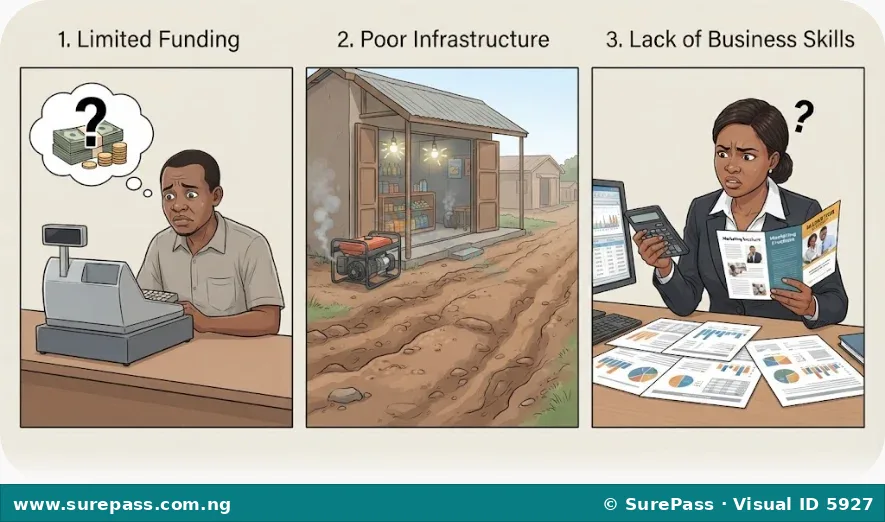
- Funding: Many entrepreneurs find it hard to get enough money to start or expand their businesses. Banks may require high collateral, and interest rates can be high. This makes it difficult to buy equipment, rent a space, or pay staff.
- Basic Infrastructure: A lack of reliable basic services affects businesses greatly. For example, inconsistent electricity supply means businesses have to spend money on generators and fuel. Poor roads make it difficult and expensive to transport goods and services. Limited access to reliable internet can also hinder business operations and communication.
- Lack of Skills and Values: Some entrepreneurs may not have all the necessary business skills, such as marketing, accounting, or customer relations. Additionally, a lack of strong business values like honesty, hard work, and good customer service can also lead to business failure.


0 comments
Open the discussion when you need it. Comments stay collapsed until requested so the initial article remains light.