


ARTICLE CONTENTSOn this page 9 sections
Bookkeeping for Hair Styling, Makeup and Henna Businesses
Performance Objectives
By the end of the lesson, students should be able to:
- explain the meaning of Book-Keeping in Business;
- identify sources of primary book of entries;
- identify types and methods of Book-Keeping;
- explain the benefits of book-keeping to enterprises, business owners and customers;
- record transactions in receipts, vouchers and other documents.
What is Bookkeeping?
Bookkeeping is the process of recording all the money transactions of a business in an organised way.
Every time a hair stylist receives money for braiding hair, or a makeup artist buys new products, or a henna designer pays for supplies, these are called transactions. Bookkeeping helps a business keep track of all these transactions, showing how much money comes in and how much goes out.
Why is Bookkeeping Important for Businesses?
For businesses like hair styling, makeup application, and henna design, keeping good records is very important. It helps the business owner understand if they are making a profit, how much they are spending, and where their money is going. Without proper bookkeeping, it would be difficult to know the true financial health of the business.
Sources of Primary Book of Entries
Primary book of entries refers to the first place where business transactions are recorded. These are the original documents that provide evidence of a transaction.
Common sources of primary book of entries for beauty businesses include:
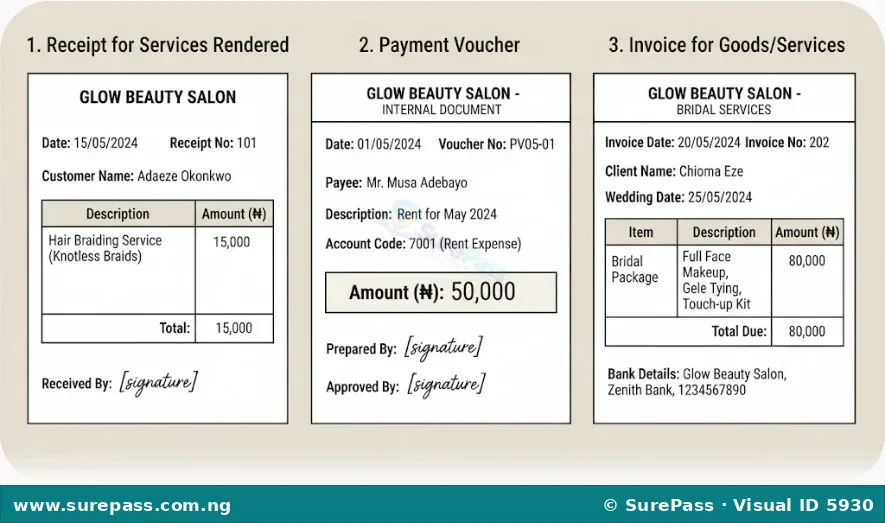
- Receipts: A receipt is a written acknowledgement that money has been received. When a customer pays for a hair service, makeup, or henna design, the business issues a receipt. This document shows the date, the service provided, the amount paid, and the name of the business.
- Payment Vouchers: A payment voucher is a document used to record money paid out by the business. For example, when the business pays for rent, electricity, or new hair products, a payment voucher is filled out. It shows what was paid for, the amount, and the date.
- Invoices: An invoice is a bill sent to a customer for services provided or goods sold. It lists the services or items, their prices, and the total amount owed. Sometimes, a beauty business might issue an invoice if a customer is paying later or if it’s a larger booking.
- Other Documents: Other documents like bank statements, cash memos, and credit notes can also serve as primary sources of information for bookkeeping.
- Single-Entry Bookkeeping: This is a simpler method where each transaction is recorded only once. For example, when money is received, it is recorded as income. When money is paid out, it is recorded as an expense. This method is often used by very small businesses because it is easy to understand and manage.
- Double-Entry Bookkeeping: This is a more detailed method where every transaction affects at least two accounts. For example, when a customer pays for a service, the cash account increases, and the sales income account also increases. This method provides a more complete picture of the business’s finances but is more complex. For JSS1, it is important to know that this type exists, but the focus remains on understanding the basic idea of recording transactions.
- Manual Bookkeeping: This method involves recording all transactions using pen and paper in physical record books, ledgers, and forms. Many small hair styling, makeup, and henna businesses start with manual bookkeeping because it is straightforward and does not require special software.
- Computerised Bookkeeping: This method uses computers and special software or spreadsheet programs (like Microsoft Excel) to record and manage financial transactions. Computerised bookkeeping can help businesses process information faster, reduce errors, and generate reports easily.
- Tracking Income and Expenses: The business can clearly see how much money it is earning and how much it is spending.
- Measuring Profit or Loss: It helps the business know if it is making money (profit) or losing money (loss) over a period.
- Managing Cash Flow: Bookkeeping helps the business understand when money is coming in and when it is going out, which is important for planning.
- Meeting Legal Requirements: Businesses often need to keep records for tax purposes or other government regulations.
- Informed Decision-Making: Owners can make better decisions about pricing services, buying new equipment, or expanding the business when they have clear financial information.
- Planning for the Future: Good records help owners set financial goals and plan for future growth or challenges.
- Understanding Business Health: Owners can easily see how well their business is performing financially.
- Accessing Loans: If an owner needs a loan from a bank, well-kept records show the bank that the business is reliable and well-managed.
- Fair and Consistent Pricing: When a business knows its costs through bookkeeping, it can set fair and consistent prices for its services, ensuring customers are not overcharged.
- Clear Records of Transactions: Customers receive clear receipts for services, which helps them keep track of their own spending and confirms their payments.
- Reliable Service: A well-managed business with good financial records is more likely to be stable and provide consistent, high-quality services to its customers.
- Date: Write the exact date the money was received.
- Receipt Number: Assign a unique number to the receipt for easy tracking.
- Received From: Write the name of the customer who paid the money.
- Amount (in words and figures): Write the amount received both in words (e.g., “Five Thousand Naira Only”) and in numbers (e.g., N5,000.00).
- For (Description of Service): Clearly state what the payment is for (e.g., “Hair Braiding,” “Full Face Makeup,” “Henna Hand Design”).
- Signature: The person receiving the money signs the receipt.
- Date: Write the exact date the payment was made.
- Voucher Number: Assign a unique number to the voucher.
- Paid To: Write the name of the person or company that received the payment.
- Amount (in words and figures): Write the amount paid both in words and in numbers.
- For (Description of Payment): Clearly state what the payment is for (e.g., “Rent for Salon,” “Purchase of Makeup Kits,” “Electricity Bill”).
- Authorised By: The business owner or manager approves the payment by signing here.
- Received By: The person receiving the payment signs to confirm they got the money.
Types of Bookkeeping
There are different ways businesses can record their transactions. The two main types of bookkeeping are:
Methods of Bookkeeping
Businesses can choose how they physically record their transactions. The two common methods are:
Benefits of Bookkeeping
Bookkeeping offers many advantages to different parts of a business:
Benefits to the Enterprises
Good bookkeeping helps the business itself in several ways:
Benefits to Business Owners
Business owners gain a lot from keeping accurate records:
Benefits to Customers
Even customers benefit from a business that practices good bookkeeping:
Recording Transactions in Documents
One of the key skills in bookkeeping is knowing how to record transactions using primary documents like receipts and vouchers. This involves carefully writing down all the important details of each money event.
How to Record a Transaction Using a Receipt
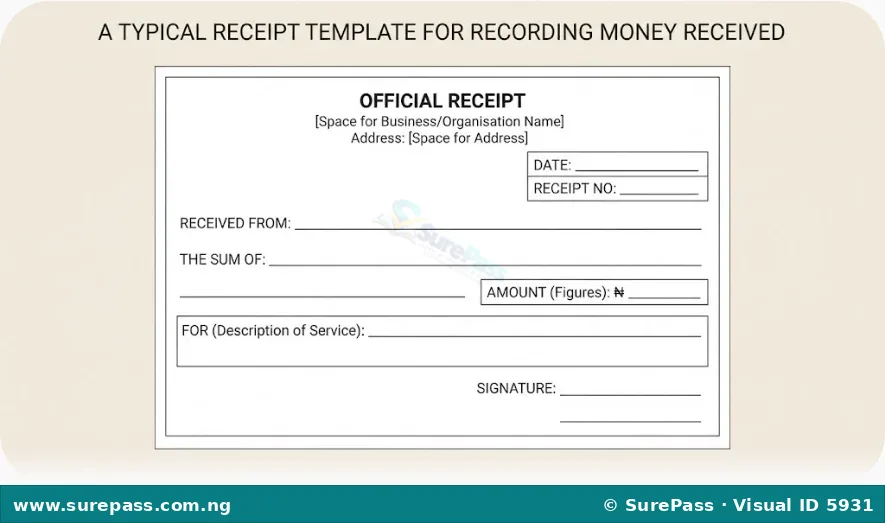
When a customer pays for a service, the business issues a receipt. This is how a simple receipt is typically filled out:
The procedure involves the following steps:
For example, if a customer named Aisha paid N3,500 for a hair styling service on 15th October 2024, the receipt would show these details.
How to Record a Transaction Using a Payment Voucher
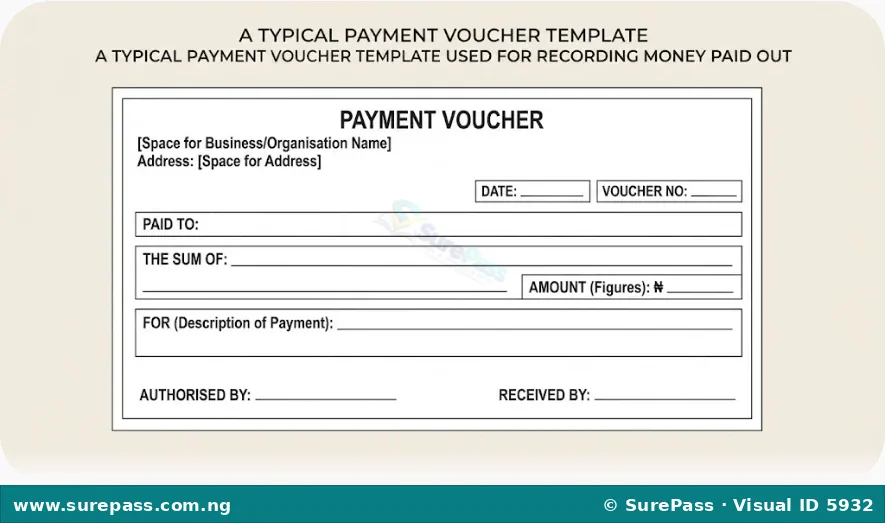
When the business pays out money, a payment voucher is used to record the details. This helps track expenses.
The procedure involves the following steps:
For example, if the business paid N20,000 for salon rent to Mr. Obi on 1st November 2024, the payment voucher would capture these details.


0 comments
Open the discussion when you need it. Comments stay collapsed until requested so the initial article remains light.