


ARTICLE CONTENTSOn this page 9 sections
Digital Technologies Used in the Financial Industry
Performance Objectives
By the end of the lesson, students should be able to:
- state the meaning of digital technologies in the financial industry;
- identify types of digital technologies in the financial industry;
- explain the uses of digital technologies in the financial industry;
- explain the challenges posed by digital technologies in the financial industry and how to overcome them.
- use digital technologies in book keeping practices
Introduction to Digital Technologies in Finance
The way people handle money and banking has changed a lot over the years. In the past, most financial activities involved visiting a bank branch, writing cheques, or using physical cash for almost everything. Today, digital technologies have made financial services faster, easier, and more convenient for everyone.
Meaning of Digital Technologies in the Financial Industry
Digital technologies in the financial industry refer to the use of electronic tools, systems, and software to provide financial services and manage money.
These technologies help banks, other financial institutions, and individuals carry out transactions, manage accounts, and access financial information using computers, mobile phones, and other digital devices. They have changed how people save, spend, borrow, and invest money.
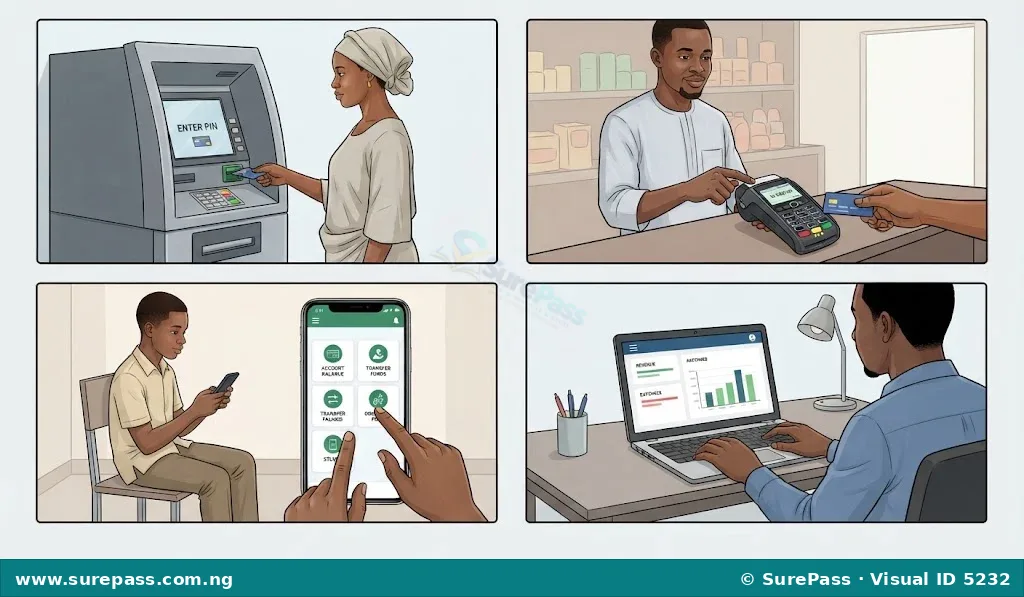
Types of Digital Technologies in the Financial Industry
Many different digital technologies are used in the financial industry to improve how money is handled and services are delivered. Understanding these technologies helps people use them effectively in their daily lives and in business.
Automated Teller Machine (ATM)
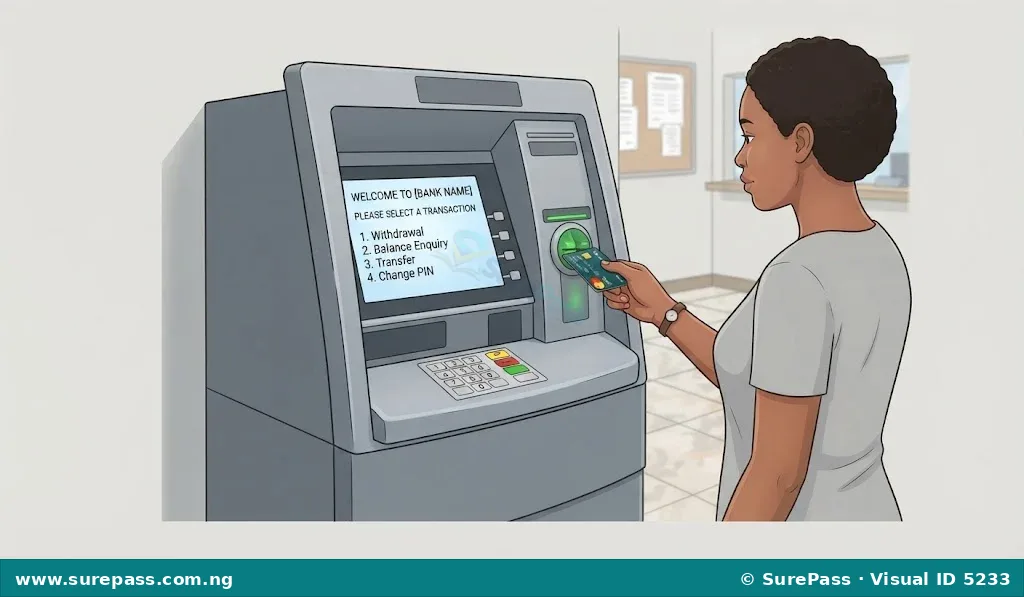
An Automated Teller Machine (ATM) is a computerised machine that allows bank customers to perform basic transactions without the help of a bank teller.
ATMs are found in many places like bank branches, shopping malls, and petrol stations. They allow people to withdraw cash, check account balances, transfer money between accounts, and sometimes even deposit cash or cheques. To use an ATM, a customer needs a debit card and a Personal Identification Number (PIN).
Point of Sale (POS)
A Point of Sale (POS) machine is an electronic device used by businesses to process card payments from customers.
When a customer buys something, they can pay by swiping, inserting, or tapping their debit or credit card on the POS machine. The machine then communicates with the bank to approve the payment, and the money is transferred from the customer’s account to the business’s account. POS machines are common in supermarkets, restaurants, hotels, and other retail stores across Nigeria.

Digital Banking
Digital banking refers to conducting banking activities through electronic channels such as mobile phones, tablets, and computers.
This includes mobile banking (using a bank’s app on a phone) and internet banking (using a bank’s website). With digital banking, customers can check their account balances, transfer funds to other accounts, pay utility bills, apply for loans, and manage their investments from anywhere at any time, as long as they have internet access.
Accounting Software
Accounting software is a computer program designed to help individuals and businesses record and process financial transactions.
This software can manage income, expenses, invoices, and payroll. It helps in keeping accurate and organised financial records, which is important for bookkeeping and making good business decisions. Examples include simple spreadsheet programs or dedicated accounting applications that automate many bookkeeping tasks.
Cloud Computing
Cloud computing in finance means storing and accessing financial data and applications over the internet instead of directly on a computer’s hard drive.
This allows financial institutions and businesses to store large amounts of data securely and access it from any device with an internet connection. It also helps them run complex financial software without needing to buy and maintain powerful computers of their own, saving costs and improving flexibility.
Blockchain
Blockchain is a secure way of recording information in a digital ledger that is shared across a network of computers.
Each new record, called a “block,” is linked to the previous one using complex codes, forming a “chain.” This makes it very difficult to change or hack the information once it has been recorded, making it useful for secure financial transactions and keeping records that cannot be easily altered.
Big Data
Big data in the financial industry refers to the very large and complex sets of financial information that are collected and analysed to find patterns and make predictions.
Banks and other financial companies use big data to understand customer behaviour, identify fraudulent activities, assess financial risks, and offer more personalised services. For example, they can analyse a customer’s spending habits to recommend suitable financial products or detect unusual transactions that might be fraud.
Artificial Intelligence (AI)
Artificial Intelligence (AI) in finance involves using computer systems that can perform tasks that normally require human intelligence.
AI can be used to detect fraud, manage investments by predicting market changes, provide customer support through chatbots that answer questions, and analyse market trends quickly. For example, an AI system can quickly spot unusual transactions that might indicate fraud, even before a human notices.
Internet of Things (IoT)
The Internet of Things (IoT) in finance refers to the network of physical devices embedded with sensors, software, and other technologies that connect and exchange data over the internet.
In finance, IoT devices can help collect data for insurance (e.g., smart car sensors for car insurance), track assets for loans, or even enable payments through smart devices like watches or smart home appliances. This means everyday objects can connect to the internet and share financial information or facilitate transactions.
Uses of Digital Technologies in the Financial Industry
Digital technologies have transformed many aspects of the financial industry, making various tasks easier and more efficient. Some key uses include:
- Faster Transactions: Digital technologies allow money transfers, payments, and withdrawals to happen almost instantly, unlike traditional methods that could take days. This speed is crucial for businesses and individuals.
- Convenient Access to Services: People can access banking services, check account balances, and pay bills from their homes, offices, or anywhere using mobile phones or computers, without needing to visit a bank branch.
- Improved Record Keeping: Accounting software and cloud computing help businesses keep accurate and organised financial records. This makes it easier to track income and expenses, prepare financial reports, and comply with tax regulations.
- Enhanced Security: Technologies like blockchain and advanced encryption help to secure financial transactions and protect customer data from fraud and cyber-attacks. Banks use these to ensure money and information are safe.
- Better Financial Planning: Big data and AI help financial institutions analyse market trends and customer behaviour to offer better advice and personalised financial products, such as loans or investment plans tailored to individual needs.
- Automated Services: ATMs and POS machines automate routine transactions, reducing the need for human tellers and speeding up service delivery. This makes banking more efficient and reduces waiting times.
Challenges of Digital Technologies in the Financial Industry
While digital technologies offer many benefits, they also come with certain challenges that need to be addressed to ensure their safe and effective use:
- Cybersecurity Risks: Digital systems can be targeted by hackers, leading to data breaches, financial fraud, and loss of money. Protecting sensitive financial information is a constant battle.
- Lack of Digital Literacy: Some people, especially in rural areas or older generations, may not know how to use digital devices or understand online banking. This makes it difficult for them to access and benefit from these modern services.
- Internet Connectivity Issues: Reliable internet access is essential for digital financial services. In areas with poor network coverage or unstable electricity supply, using these technologies can be difficult or impossible, limiting access for many.
- High Cost of Implementation: Setting up and maintaining advanced digital systems, such as new software, secure networks, and training staff, can be very expensive for financial institutions and small businesses.
- System Failures: Digital systems can sometimes experience technical glitches, network outages, or software errors. These failures can disrupt services, cause inconvenience to customers, and lead to financial losses.
- Privacy Concerns: Storing personal and financial data online raises concerns about how this information is collected, used, and protected by companies. People worry about their private details being misused.
Overcoming the Challenges Posed by Digital Technologies
To fully benefit from digital technologies in finance, it is important to address the challenges they present. Some ways to overcome these challenges include:
- Strengthening Cybersecurity: Financial institutions must invest in strong security measures, such as encryption, firewalls, and regular security updates, to protect against cyber-attacks. Customers should also use strong, unique passwords and be careful about sharing personal information online.
- Promoting Digital Education: Training programs and awareness campaigns can help people learn how to use digital financial tools safely and effectively. This increases digital literacy across the population, making more people comfortable with online services.
- Improving Infrastructure: Governments and telecommunication companies should work to expand and improve internet connectivity, especially in underserved rural areas, to ensure everyone can access digital services reliably.
- Developing User-Friendly Systems: Financial technologies should be designed to be simple, intuitive, and easy to use, even for those with limited technical skills. Clear instructions and support should be provided.
- Regular System Maintenance: Financial institutions should regularly update and maintain their digital systems to fix bugs, prevent failures, and ensure smooth and efficient operation.
- Clear Privacy Policies: Financial companies must have clear policies on how customer data is handled and ensure they comply with data protection laws. Customers should also read and understand these policies to know their rights.
Using Digital Technologies in Bookkeeping Practices
Bookkeeping is the process of recording all financial transactions of a business or individual in an organised way. Digital technologies make bookkeeping easier, faster, and more accurate than using paper ledgers. For JSS1 learners, this often involves using simple accounting software or even spreadsheet applications to keep track of income and expenses.
How to Use Accounting Software for Simple Bookkeeping
Using accounting software helps to organise financial records efficiently. Here is a basic way to use it for simple bookkeeping, which can be applied to personal finances or a small school project:
The procedure involves the following steps:
- Choose Simple Accounting Software: For JSS1, a basic spreadsheet program (like Microsoft Excel or Google Sheets) or a simple accounting app can be used. These allow you to create tables to record information.
- Set Up Your Accounts: Create clear categories for your income and expenses. For example, income categories could be “Sales,” “Pocket Money,” or “Gift,” and expense categories could be “Transport,” “Food,” “School Supplies,” “Savings,” or “Entertainment.”
- Record Income: Whenever money comes in, open your accounting software. Enter the date of the transaction, a clear description of where the money came from, the amount received, and the income category.
Example: If you receive N500 as pocket money on January 10th, you would record: Date: 10/01/2024, Description: Pocket Money from Parents, Amount: N500, Category: Income.
- Record Expenses: Whenever money is spent, record it in the software. Enter the date, a description of what the money was spent on, the amount spent, and the expense category.
Example: If you spend N200 on transport on January 11th, you would record: Date: 11/01/2024, Description: Transport Fare to School, Amount: N200, Category: Transport.
- Update Regularly: Make sure to record all transactions as they happen or at least daily. This keeps your records accurate and up-to-date, preventing you from forgetting details.
- Review Your Records: Periodically, look at your records to see how much money you earned and how much you spent in each category. This helps you understand your financial situation, identify where your money is going, and make better spending decisions.
By following these steps, you can use digital technology to keep track of your money, which is a basic but important part of bookkeeping for both personal use and future business activities.

0 comments
Open the discussion when you need it. Comments stay collapsed until requested so the initial article remains light.