


ARTICLE CONTENTSOn this page 5 sections
Introduction to Commerce
Performance Objectives
By the end of the lesson, students should be able to:
- state the meaning of commerce;
- discuss the importance of commerce;
- discuss the activities that aid commerce.
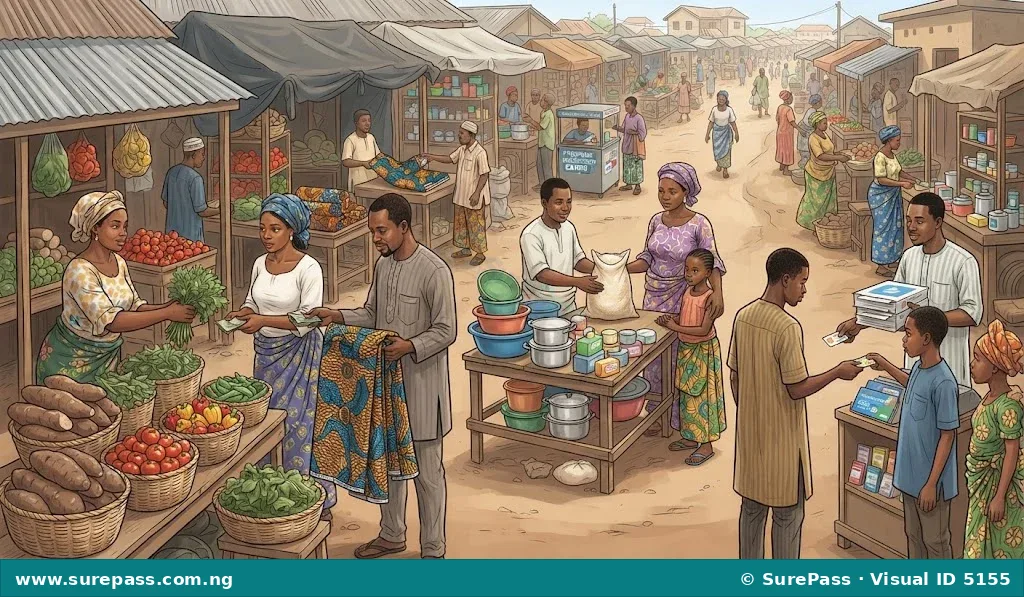
In daily life, people constantly buy and sell goods and services. From buying food at the market to getting a haircut, these activities are part of a larger system that connects producers and consumers. This system is known as commerce.
Meaning of Commerce
Commerce refers to all the activities involved in buying and selling goods and services, and all the other activities that help these transactions happen smoothly.
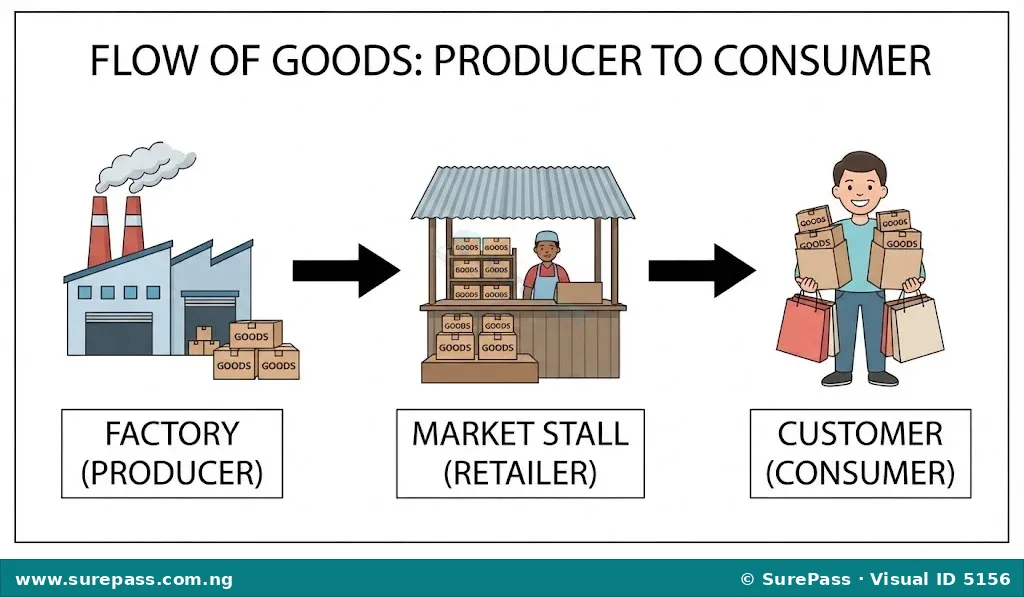
It is the part of business that deals with the exchange of goods and services. Commerce ensures that products made by producers reach the people who need them, the consumers. It includes trade, which is the actual buying and selling, and all the services that support trade, such as transportation, banking, insurance, and communication.
Importance of Commerce
Commerce plays a vital role in the economy and in the lives of people. It helps to meet the needs of individuals and businesses by making goods and services available. The importance of commerce can be seen in several ways:
Boosts Economic Growth
Commerce helps a country’s economy grow by creating jobs and increasing wealth. When goods are bought and sold, money changes hands, and businesses expand. This leads to more production, more employment opportunities, and a higher standard of living for people.
For example, when farmers sell their produce, they earn money to buy other goods, and the people who transport the produce also earn money. This movement of money and goods helps the economy to grow stronger.
Encourages International Trade and Cooperation
Commerce allows countries to trade with each other, buying goods they do not produce and selling what they have in surplus. This is known as international trade. It helps countries to build relationships and cooperate, leading to a better understanding and stronger ties between nations.
For instance, Nigeria might export crude oil to other countries and import cars or electronics. This exchange benefits both Nigeria and its trading partners.
Market Access
Commerce ensures that goods and services produced in one place can reach consumers in different locations, both near and far. It provides market access, meaning that producers can find buyers for their products, and consumers can find the products they need, regardless of where they are produced.
Without commerce, a farmer in a rural area might struggle to sell a large harvest, and people in cities might not have access to fresh farm produce.
Innovation and Competition
Commerce encourages businesses to innovate, which means creating new and better products or finding new ways to offer services. To attract customers, businesses compete with each other, leading to improved quality, lower prices, and more choices for consumers.
For example, if several companies sell soft drinks, they will try to make their drinks taste better or offer them at a lower price to win customers. This competition benefits everyone.
Activities that Aid Commerce
For commerce to function effectively, several activities are needed to support the buying and selling process. These activities help to bridge the gap between producers and consumers. Some of these important activities include:
Marketing and Promotion
Marketing involves all the activities a business does to make people aware of its products or services and encourage them to buy. Promotion is a part of marketing that uses advertising, public relations, and sales promotions to communicate with customers.
Examples of marketing and promotion include:
- Advertising products on television, radio, or social media.
- Displaying products attractively in shops.
- Offering discounts or special deals to customers.
Sales and Customer Services
Sales is the process of exchanging goods or services for money. It involves direct interaction with customers, either in a physical store or online. Customer service refers to the support and assistance provided to customers before, during, and after a purchase.
Good customer service ensures that customers are satisfied and encourages them to return. This includes:
- Helping customers find the right product.
- Answering questions about products.
- Handling complaints or returns politely.
Technology and E-commerce
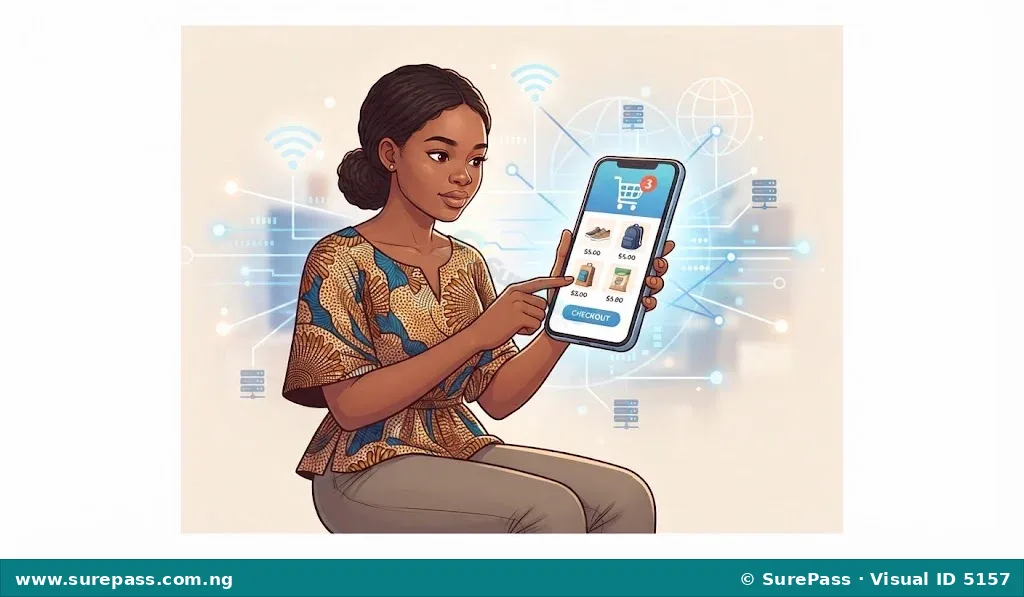
Technology plays a huge role in modern commerce. It includes the use of computers, the internet, and mobile phones to conduct business. E-commerce, or electronic commerce, specifically refers to buying and selling goods and services over the internet.
Technology makes it easier for businesses to reach more customers and for customers to shop from anywhere. Examples include:
- Online shopping websites like Jumia or Konga.
- Mobile banking applications.
- Using social media for business communication.
Product Development and Innovation
Product development is the process of creating new products or improving existing ones to meet customer needs and desires. Innovation involves introducing new ideas, methods, or products.
Businesses constantly develop and innovate to stay competitive and offer better solutions to consumers. This can involve:
- Designing a new type of mobile phone.
- Improving the recipe for a popular snack.
- Creating a more efficient way to deliver services.
Finance
Finance involves managing money and other valuable assets. In commerce, it includes activities like banking, providing loans, and making payments. Financial services help businesses to get the money they need to operate and expand, and they also help customers to pay for goods and services.
Examples of financial activities that aid commerce include:
- Banks providing loans to businesses to buy raw materials.
- Customers using debit cards or mobile transfers to pay for purchases.
- Businesses managing their accounts and budgets.




0 comments
Open the discussion when you need it. Comments stay collapsed until requested so the initial article remains light.