


ARTICLE CONTENTSOn this page 9 sections
Honesty in Business
Performance Objectives
By the end of the lesson, students should be able to:
- state the meaning of honesty;
- discuss the attributes of honesty;
- explain the factors that cause people to lie and how to overcome them;
- state the rewards for honesty;
- explain the consequences of dishonesty;
- observe honesty in business practices.
Introduction to Honesty in Business
In daily life, people interact with businesses when they buy goods, sell products, or offer services. These interactions require trust. Honesty is a very important value that helps to build this trust between people and businesses. When businesses and individuals are honest, they create a good environment for everyone to work and trade fairly.
Meaning of Honesty
Honesty means being truthful, fair, and sincere in all actions and words.
It involves acting with integrity and always telling the truth, even when it is difficult. In business, honesty means that a seller tells the truth about a product, a buyer pays the agreed price, and a service provider delivers what was promised.
Attributes of Honesty
Honesty is made up of several important qualities that show a person or business is trustworthy. These qualities help to build a good reputation and strong relationships.
The attributes of honesty include:
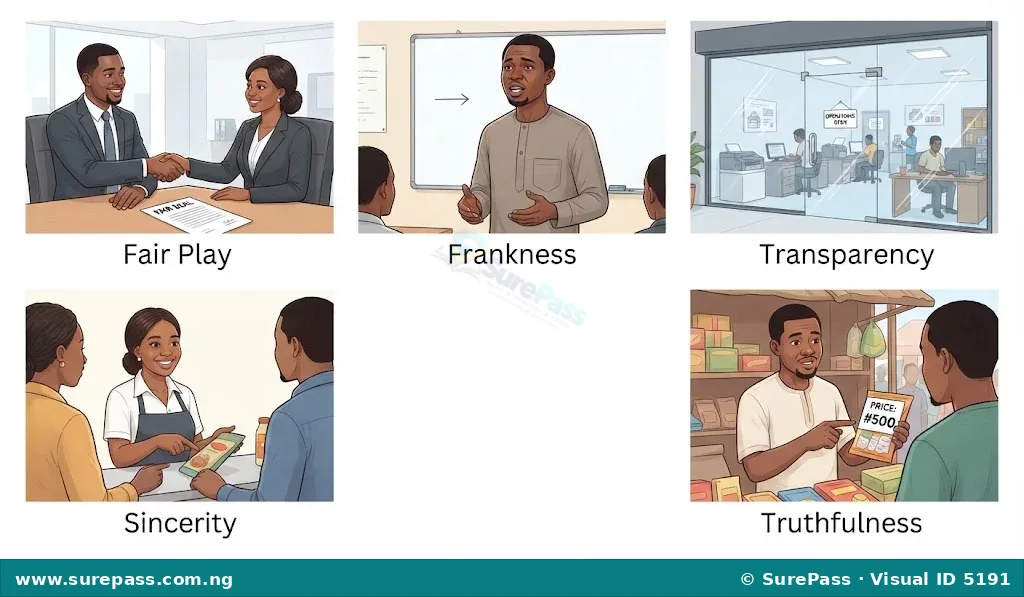
- Truthfulness: This means always telling the truth and not hiding facts or giving false information. For example, a shopkeeper is truthful when they tell a customer that a product is expired, even if it means not making a sale.
- Sincerity: Sincerity means being genuine and real in one’s intentions and feelings. It means acting from the heart and not pretending. For instance, a business owner is sincere when they genuinely care about solving a customer’s problem, not just making money.
- Fair Play: Fair play means treating everyone equally and justly, following rules, and not taking unfair advantage. An example of fair play is when a business charges the same price to all customers for the same product, without favouritism.
- Frankness: Frankness means being open, direct, and straightforward in communication. It involves speaking clearly and honestly without trying to deceive or mislead. A business shows frankness when it openly discusses the terms and conditions of a service with a customer.
- Transparency: Transparency means being open and clear about actions, decisions, and information. It allows others to see what is happening and understand why. For example, a business is transparent when it clearly displays all prices and charges, so customers know exactly what they are paying for.
Causes of Dishonesty and How to Overcome Them
Dishonesty is the opposite of honesty. It involves lying, cheating, or deceiving others. There are several reasons why individuals or businesses might act dishonestly, but these actions can be overcome.
Common causes of dishonesty include:
- Greed: Some people become dishonest because they want to get more money or things quickly, even if it means cheating others. For example, a trader might sell fake goods to make more profit.
- Fear: People might lie because they are afraid of punishment, failure, or losing something important. A worker might lie about making a mistake to avoid being scolded or losing their job.
- Pressure: Sometimes, individuals feel pressure from others, like friends, family, or even their employers, to act dishonestly. A salesperson might be pressured to lie about a product’s features to meet sales targets.
- Lack of Moral Values: Some people may not have a strong understanding of right and wrong, or they may not value honesty highly. This can lead them to act dishonestly without much thought.
- Desire for Advantage: People might lie to gain an unfair advantage over competitors or other individuals. A business might spread false rumours about a rival company to make its own products look better.
To overcome dishonesty, individuals and businesses can take several steps:
- Develop Strong Moral Values: Learning and practicing good values like integrity, fairness, and respect from a young age helps people choose honesty.
- Prioritise Long-Term Benefits: Understanding that honesty builds trust and a good reputation, which leads to long-term success, can help overcome the desire for quick, dishonest gains.
- Seek Support: If facing pressure to be dishonest, individuals should seek advice and support from trusted adults, mentors, or ethical leaders.
- Promote an Ethical Environment: Businesses should create a workplace where honesty is valued and rewarded, and where employees feel safe to report dishonest practices without fear.
- Practice Self-Control: Learning to control desires like greed and fear helps individuals make honest choices, even when tempted to be dishonest.
Rewards for Honesty
Practicing honesty brings many positive outcomes for both individuals and businesses. These rewards are often long-lasting and contribute to overall success and well-being.
The rewards for honesty include:
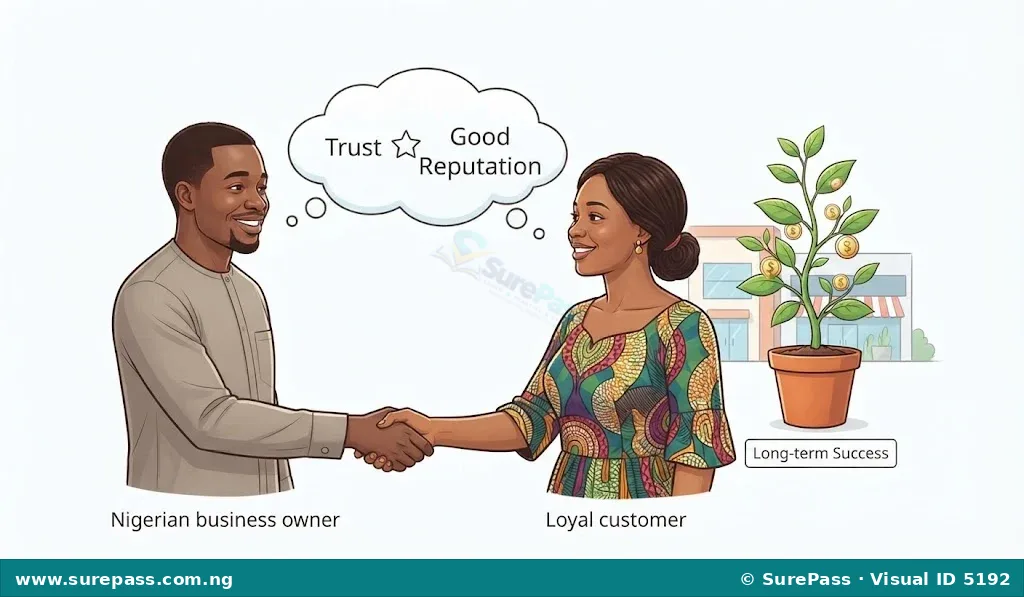
- Trust: Honest individuals and businesses are trusted by others. Customers trust honest businesses to provide good products and services, and colleagues trust honest people to do their work well.
- Good Reputation: Honesty builds a strong and positive reputation. A business known for its honesty attracts more customers and partners, while an honest person is respected in their community.
- Customer Loyalty: When customers trust a business, they are more likely to return and buy from that business again and again. This creates loyal customers who support the business over time.
- Peace of Mind: Honest people do not have to worry about being caught in a lie or facing negative consequences. This brings a sense of calm and freedom from guilt.
- Strong Relationships: Honesty helps build strong and lasting relationships with customers, suppliers, employees, and friends. These relationships are based on mutual respect and reliability.
- Legal Compliance: Honest businesses are more likely to follow laws and regulations, avoiding legal problems, fines, and lawsuits.
Consequences of Dishonesty on Businesses and Individuals
Just as honesty brings rewards, dishonesty leads to negative consequences that can harm individuals and businesses significantly.
The consequences of dishonesty include:
- Loss of Trust: Once a person or business is found to be dishonest, others lose trust in them. It is very difficult to regain lost trust.
- Bad Reputation: Dishonesty quickly leads to a bad reputation. People will avoid dealing with a dishonest business or individual, which can severely affect their ability to succeed.
- Loss of Customers: Customers will stop buying from a business they do not trust. This leads to reduced sales and financial losses.
- Legal Problems: Dishonest actions, such as fraud, false advertising, or cheating, can lead to serious legal issues, including fines, lawsuits, and even imprisonment for individuals.
- Financial Losses: Businesses that are dishonest may face penalties, lose contracts, or have to pay compensation, all of which result in financial losses.
- Guilt and Stress: Individuals who act dishonestly often experience guilt, anxiety, and stress, which can affect their mental and emotional well-being.
- Damaged Relationships: Dishonesty can destroy relationships with family, friends, colleagues, and business partners, leading to isolation and loneliness.
Observing Honesty in Business Practices
Observing honesty in business practices means paying attention to how businesses and individuals conduct themselves to see if their actions match their words and promises. It involves looking for signs of truthfulness, fairness, and transparency in everyday transactions.
To observe honesty in business practices, consider the following:
- Check for Accurate Information:
- Look at product labels: Are the ingredients, expiry dates, and country of origin clearly and correctly stated?
- Read advertisements: Do the claims about a product or service seem realistic and truthful, or are they exaggerated?
- Ask questions: Does the salesperson give clear, direct answers without avoiding certain details?
- Observe Fair Pricing:
- Compare prices: Are prices for similar goods consistent across different sellers, or does one seller charge unusually high or low prices without clear reason?
- Look for hidden charges: Are all costs, like delivery fees or taxes, clearly stated upfront, or are there unexpected charges added later?
- Notice Consistent Actions:
- Observe promises: Does a business deliver goods or services at the time and quality promised?
- Check return policies: Is the return or exchange policy clear and honoured without unnecessary difficulties?
- Look for Transparency:
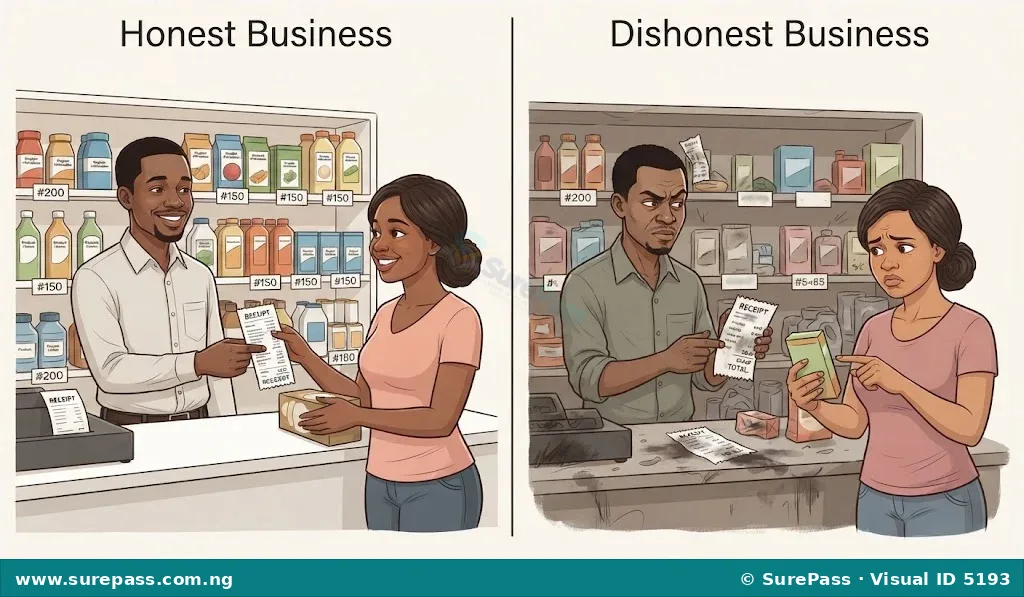
- Examine receipts: Are receipts clear, itemised, and easy to understand?
- Observe complaint handling: Does the business listen to customer complaints openly and try to resolve them fairly, or do they dismiss them?
- Listen to Feedback:
- Talk to others: What do other customers or people in the community say about a particular business or individual’s honesty?
For example, when buying a phone, an honest business will clearly state if the phone is new or used, its exact features, and the warranty period. A dishonest business might try to sell a used phone as new or hide defects. By observing these details, one can identify honest business practices.



0 comments
Open the discussion when you need it. Comments stay collapsed until requested so the initial article remains light.