



ARTICLE CONTENTSOn this page 7 sections
Meaning, Uses and Types of Journals in Book-keeping for JSS 1
Performance Objectives
By the end of the lesson, students should be able to:
- explain the meaning of Journal;
- state the uses of journals;
- describe the various types of journals;
- create various types of journals;
- make entries into a journal.
Meaning of a Journal
A journal is a book of original entry where business transactions are first recorded in chronological order.
In book-keeping, a business carries out many financial activities every day. These activities, such as buying goods, selling items, paying salaries, or receiving money from customers, are called transactions. Before these transactions are transferred to other accounting books, they are first written down in a journal. This makes the journal the very first place where a business’s financial story is told, much like a diary records daily events.
The term “book of original entry” means it is the first book where a transaction is recorded. “Chronological order” means that transactions are written down strictly in the order they happen, from the earliest date to the latest date. This helps to keep a clear and organised record of all financial events.
Uses of Journals
Journals play a very important role in book-keeping because they help businesses maintain accurate and organised financial records. The main uses of journals include:
- First Record of Transactions: Journals serve as the initial place where all business transactions are documented. This ensures that every financial event, no matter how small, is captured and not forgotten.
- Recording in Chronological Order: Transactions are entered into the journal based on the date they occur. This day-by-day recording creates a clear timeline of all business activities, making it easy to trace events in sequence.
- Providing Detailed Information: Each entry in a journal provides essential details about a transaction. This includes the date, a brief explanation of what happened, and the monetary amounts involved. This detailed record helps in understanding the nature of each transaction.
- Reducing Errors: By recording transactions first in a journal, book-keepers can carefully check for any mistakes or omissions before the information is transferred to other accounting books. This initial check helps to improve the accuracy of financial records.
- Offering Explanations (Narration): Every journal entry includes a short description, often called a narration. This narration explains the purpose or nature of the transaction, making it easier for anyone reviewing the records to understand why a particular entry was made.
Types of Journals
Businesses engage in various kinds of transactions. To make the recording process more efficient and organised, different types of journals are used to group similar transactions together. This specialisation helps in managing large volumes of data. Some common types of journals include:
- The General Journal: This is the most fundamental journal. It is used to record all transactions that do not fit into any other specific journal. For example, when a business starts, the initial capital introduced is recorded here. Also, if a business buys or sells assets (like furniture or land) on credit, these transactions are recorded in the General Journal.
- The Cash Book: This journal is specifically designed to record all transactions that involve cash or bank. All money received by the business (cash receipts) and all money paid out by the business (cash payments) are entered into the Cash Book. It acts as both a journal and a ledger for cash and bank transactions.
- The Sales Day Book (or Sales Journal): This journal is used exclusively for recording goods sold on credit. When a business sells goods to a customer and the customer agrees to pay at a later date, this credit sale is recorded in the Sales Day Book. Cash sales are not recorded here.
- The Purchases Day Book (or Purchases Journal): This journal is used exclusively for recording goods bought on credit. When a business buys goods from a supplier and promises to pay for them later, this credit purchase is recorded in the Purchases Day Book. Cash purchases are not recorded here.
Creating Various Types of Journals
Creating a journal involves drawing its basic structure with the necessary columns. Each type of journal has a specific format designed to capture the unique details of the transactions it records. Understanding these formats is the first step to proper book-keeping.
The General Journal Format
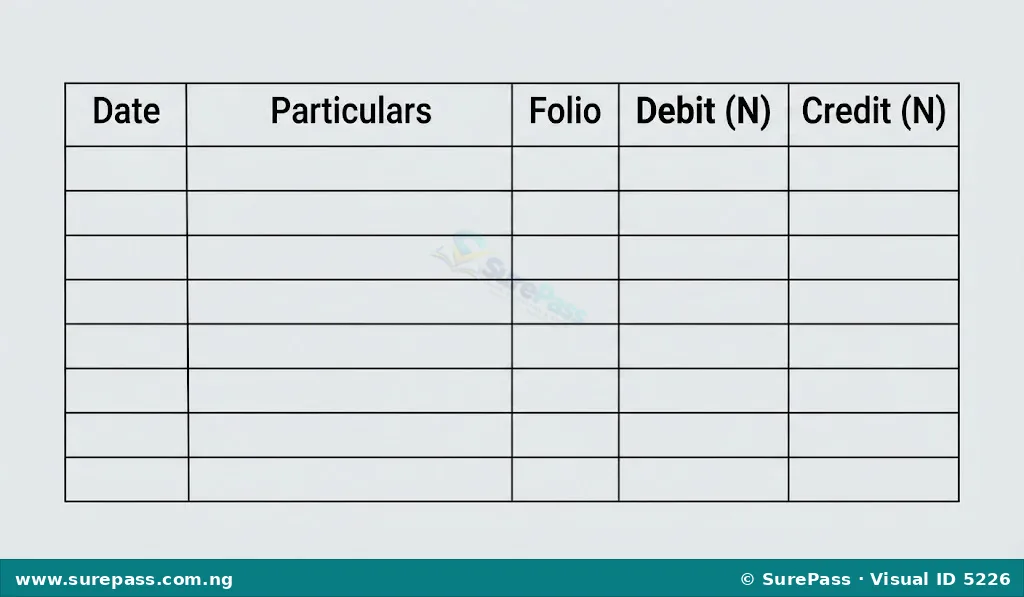
The General Journal typically has five columns: one for the date, one for particulars (description of the transaction), one for folio (a reference column), and two amount columns for debit and credit. The folio column is used to record the page number of the ledger account to which the entry is later transferred.
The Cash Book Format
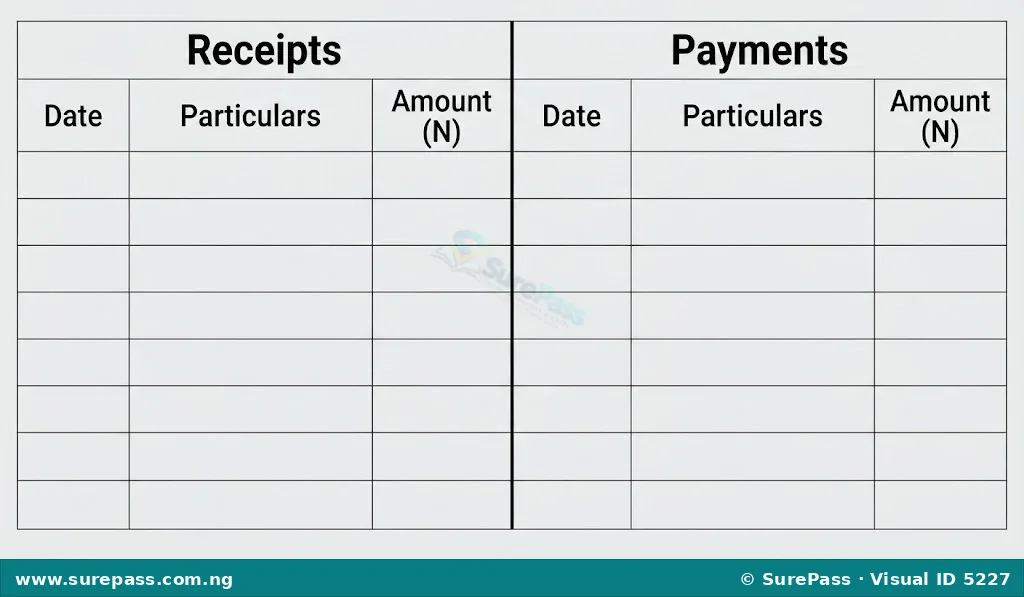
A simple Cash Book is usually divided into two main sides: the left side for cash received (receipts) and the right side for cash paid (payments). Each side typically has columns for the date, particulars (what the cash was received for or paid for), and the amount.
The Sales Day Book Format
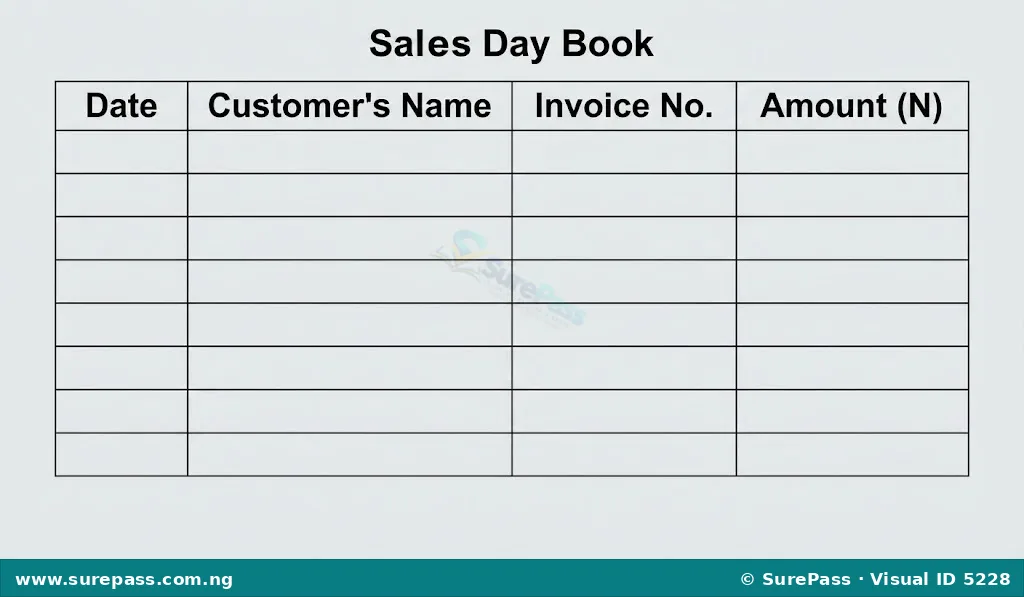
The Sales Day Book is used to record all goods sold on credit. Its format typically includes columns for the date of the sale, the name of the customer who bought the goods, the invoice number (a unique reference for the sale), and the amount of the sale.
The Purchases Day Book Format
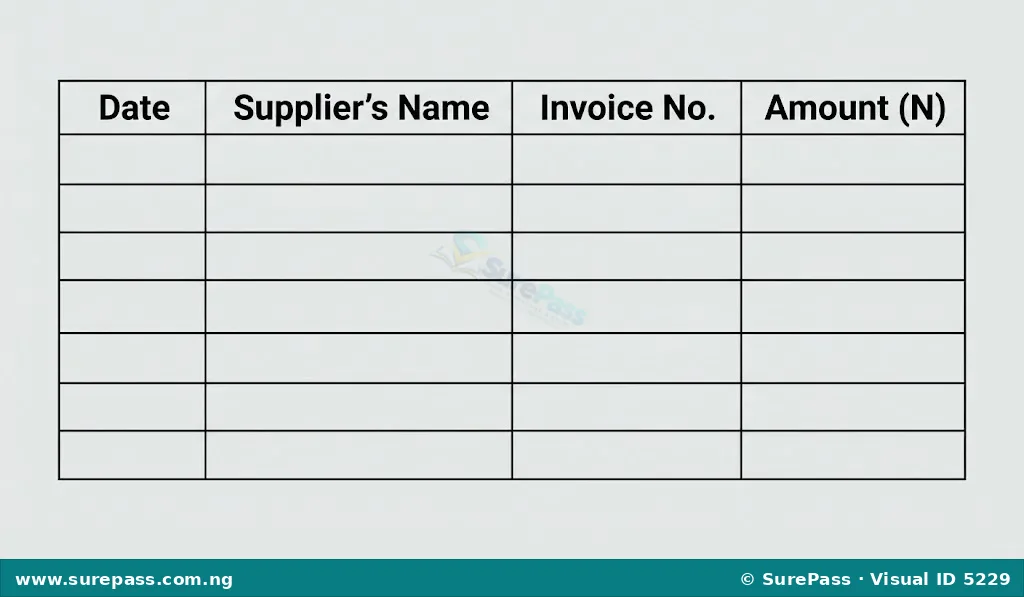
The Purchases Day Book is used to record all goods bought on credit. Its format usually includes columns for the date of the purchase, the name of the supplier from whom the goods were bought, the invoice number (a reference from the supplier), and the amount of the purchase.
Making Entries into a Journal
Making entries into a journal means writing down the details of each business transaction in the correct journal and its appropriate columns. This process is crucial for ensuring that all financial activities are properly recorded and accounted for.
Recording in the General Journal
When recording a transaction in the General Journal, the date of the transaction is written first. Then, the accounts affected by the transaction are listed. The account to be debited is written first, followed by the account to be credited, which is usually indented slightly. A brief explanation of the transaction, known as a narration, is then written in brackets. Finally, the corresponding amounts are placed in the Debit and Credit columns.
Example 1: On January 5, 2024, Mr. Obi started a business with N50,000 cash.
General Journal Entry:
| Date | Particulars | Folio | Debit (N) | Credit (N) |
|---|---|---|---|---|
| 2024 Jan 5 | Cash Account Capital Account (Being cash introduced by owner) |
50,000 | ||
| 50,000 |
Example 2: On January 10, 2024, the business bought office furniture on credit from Furniture World for N15,000.
General Journal Entry:
| Date | Particulars | Folio | Debit (N) | Credit (N) |
|---|---|---|---|---|
| 2024 Jan 10 | Office Furniture Account Furniture World Account (Being office furniture bought on credit) |
15,000 | ||
| 15,000 |
Recording in the Cash Book
In the Cash Book, all cash received by the business is recorded on the left-hand side (the “Receipts” or “Debit” side). All cash paid out by the business is recorded on the right-hand side (the “Payments” or “Credit” side). For each entry, the date, a brief description of what the cash was for (particulars), and the amount are entered in the appropriate columns.
Example: On January 7, 2024, the business received N10,000 cash from a customer, Mr. Emeka.
Cash Book Entry:
| Receipts | Payments | ||||
|---|---|---|---|---|---|
| Date | Particulars | Amount (N) | Date | Particulars | Amount (N) |
| 2024 Jan 7 | Mr. Emeka | 10,000 | |||
Recording in the Sales Day Book
When goods are sold on credit, the transaction is recorded in the Sales Day Book. The entry includes the date of the sale, the full name of the customer to whom the goods were sold, the invoice number (if available), and the total amount of the credit sale.
Example: On January 12, 2024, the business sold goods on credit to Mrs. Ada for N8,000 (Invoice No. SDB001).
Sales Day Book Entry:
| Date | Customer’s Name | Invoice No. | Amount (N) |
|---|---|---|---|
| 2024 Jan 12 | Mrs. Ada | SDB001 | 8,000 |
Recording in the Purchases Day Book
When goods are bought on credit, the transaction is recorded in the Purchases Day Book. The entry includes the date of the purchase, the full name of the supplier from whom the goods were bought, the invoice number (from the supplier’s document), and the total amount of the credit purchase.
Example: On January 15, 2024, the business bought goods on credit from Best Suppliers for N12,000 (Invoice No. PDB005).
Purchases Day Book Entry:
| Date | Supplier’s Name | Invoice No. | Amount (N) |
|---|---|---|---|
| 2024 Jan 15 | Best Suppliers | PDB005 | 12,000 |





0 comments
Open the discussion when you need it. Comments stay collapsed until requested so the initial article remains light.