



ARTICLE CONTENTSOn this page 5 sections
Application of Ethical Practices in Hair Styling
Performance Objectives
By the end of the lesson, students should be able to:
- demonstrate desirable ethics in hairstyling.
Introduction to Ethics in Hair Styling
Ethics are the moral principles that guide a person’s behaviour or the way an activity is carried out. In hair styling, ethical practices mean doing the right thing and treating clients fairly and respectfully.
When a hair stylist follows ethical practices, clients feel comfortable, trusted, and happy with the service they receive. This helps to build a good reputation for the stylist and encourages clients to return.
Key Ethical Practices in Hair Styling
Professional hair stylists follow certain rules of conduct to ensure they provide the best service and maintain trust with their clients. These rules are known as ethical practices.
Listening Attentively to Client Requests
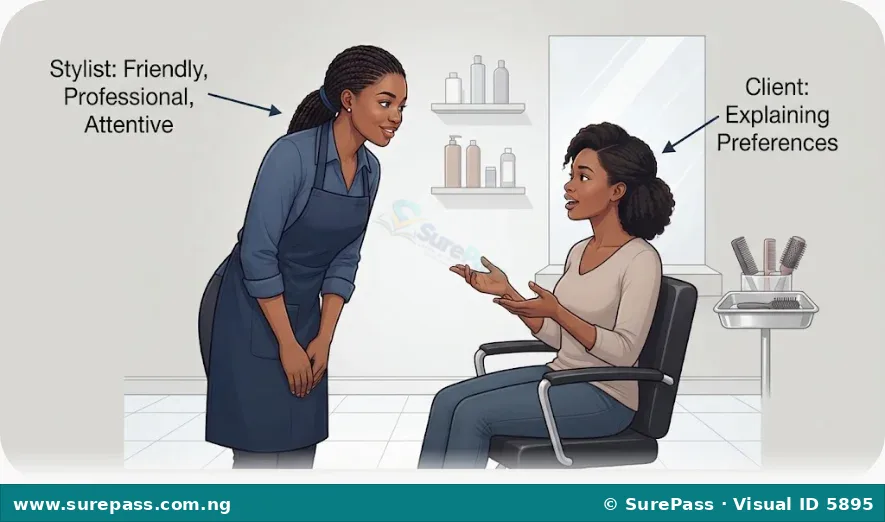
One of the most important ethical practices is to listen carefully to what the client wants. Clients come to a hair stylist with a specific idea of how they want their hair to look. It is the stylist’s duty to understand these requests fully.
Listening attentively means paying full attention when the client speaks, asking questions to clarify their needs, and making sure the stylist understands the desired style, length, colour, and overall look. This helps to avoid misunderstandings and ensures the client gets the hairstyle they truly want.
Respecting Client Preferences
After listening to a client, an ethical stylist respects their choices. This means avoiding making changes to the client’s hair that were not requested. Every client has their own personal style and preferences, and these should always be honoured.
For example, if a client asks for a trim, the stylist should not cut off more hair than agreed. If a client wants a specific hair colour, the stylist should not try to convince them to choose a different colour just because it is the stylist’s personal favourite. The stylist’s role is to provide the service the client wants, not to impose their own style.
Keeping Client Information Private
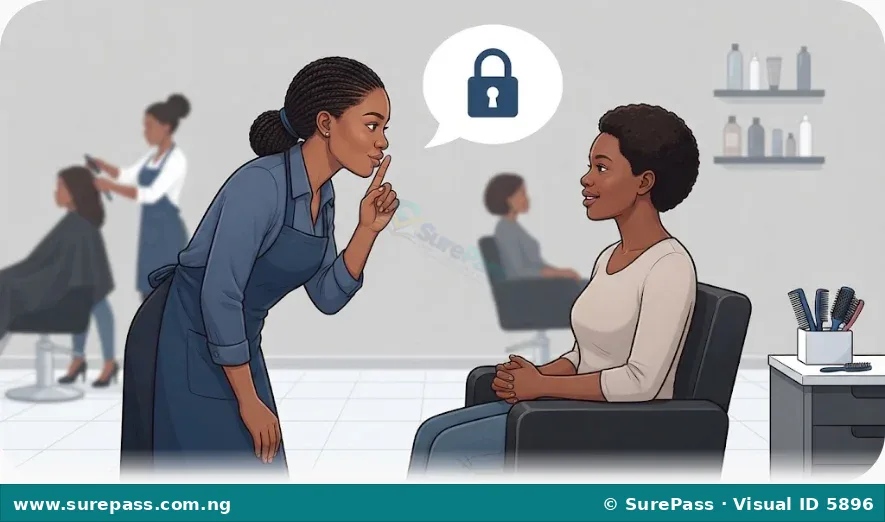
Clients often share personal details or discuss their lives while getting their hair done. An ethical hair stylist understands the importance of keeping this information private. This practice is called confidentiality.
Client information includes their contact details, the specific hair problems they might have, or any personal conversations they share during their visit. This information should never be discussed with other clients, friends, or family members. Maintaining privacy builds trust and shows respect for the client.
Providing Clear and Accurate Information
An ethical hair stylist always provides honest and clear information about the services offered. This includes explaining what a particular hairstyle involves, how long it will take, and the cost.
It also means being truthful about potential risks or outcomes. For instance, if a certain chemical treatment might damage the hair if not cared for properly, the stylist should explain this to the client. If a desired style might not suit the client’s hair type, the stylist should explain why, offering suitable alternatives. This transparency helps clients make informed decisions and avoids disappointment.
Demonstrating Ethical Conduct
Demonstrating desirable ethics in hair styling means putting these principles into practice every day. It involves:
- Greeting clients warmly and making them feel welcome.
- Engaging in clear communication from the moment a client arrives until they leave.
- Asking open-ended questions to understand exactly what the client wants.
- Confirming the chosen style and service before starting any work.
- Working carefully and professionally, focusing on the client’s hair.
- Being honest about the time required and the cost of services.
- Advising clients on hair care without pushing them to buy unnecessary products.
- Handling any client complaints calmly and professionally, seeking to resolve issues fairly.
By consistently applying these ethical practices, a hair stylist builds a strong reputation for professionalism and earns the trust and loyalty of their clients.




0 comments
Open the discussion when you need it. Comments stay collapsed until requested so the initial article remains light.