



ARTICLE CONTENTSOn this page 8 sections
Living a life of witnessing for Christ
Performance Objectives
By the end of the lesson, students should be able to:
- explain the meaning of witnessing for Christ;
- discuss Peter’s message on Christian living;
- analyse Paul’s teachings on children of light;
- explain the importance of tolerance and peaceful coexistence.
Memory Verse
But ye are a chosen generation, a royal priesthood, an holy nation, a peculiar people; that ye should shew forth the praises of him who hath called you out of darkness into his marvellous light: (1 Peter 2:9 KJV)
Bible Reading
The principal Bible passages supporting this lesson are:
- 1 Peter 1:13-17
- 1 Peter 2:9-25
- 1 Peter 4:1
- Romans 13:11-14
Meaning of Witnessing for Christ
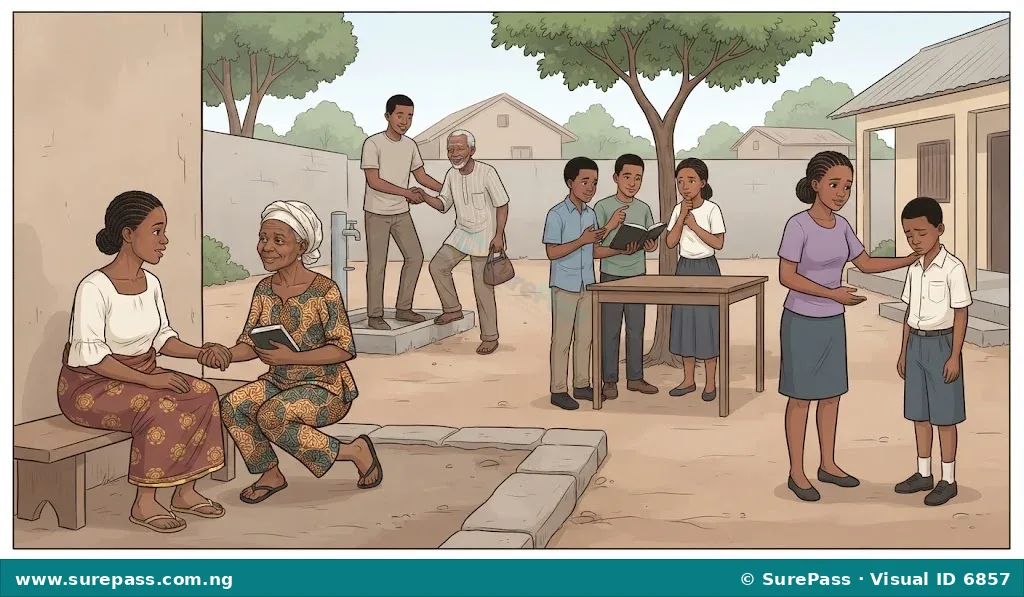
Witnessing for Christ means sharing the good news of Jesus Christ with others, both through words and actions.
It involves living a life that reflects Christian values and principles, allowing others to see Christ through a believer’s conduct. A witness is someone who has seen or experienced something and shares that experience with others. For Christians, this means sharing their personal experience of salvation and the transformative power of Christ in their lives. It is not just about speaking, but also about demonstrating the love, peace, joy, and righteousness that come from following Christ.
Peter’s Message on Christian Living
Apostle Peter’s letters provide clear guidance on how Christians should live their lives, especially in a world that may not understand or accept their faith. His message emphasises holiness, identity, submission, and readiness to suffer for Christ.
Living a Holy Life (1 Peter 1:13-17)
Peter urges believers to prepare their minds for action, be sober, and set their hope completely on the grace that will be brought to them at the revelation of Jesus Christ. He calls Christians to be holy in all their conduct, just as God who called them is holy. This means living a life separated from worldly desires and sinful practices, striving to please God in every aspect.
Peter reminds believers that they were redeemed not with perishable things like silver or gold, but with the precious blood of Christ. This redemption demands a life of reverence and obedience to God, knowing that God judges impartially according to each one’s deeds.
Identity and Purpose (1 Peter 2:9-12)
Peter declares the unique identity of believers, stating that they are “a chosen generation, a royal priesthood, an holy nation, a peculiar people.” This identity is given by God, and its purpose is “that ye should shew forth the praises of him who hath called you out of darkness into his marvellous light.” This means Christians are called to proclaim the goodness and greatness of God to the world.
He further encourages believers to live honourably among unbelievers, so that even if they are slandered, their good deeds may cause others to glorify God on the day of visitation. This highlights the importance of a consistent Christian lifestyle as a powerful form of witness.
Submission and Suffering (1 Peter 2:13-25; 4:1)
Peter instructs Christians to submit to every human institution for the Lord’s sake, whether to the king as supreme or to governors. This submission is not out of fear, but as a way to silence the ignorance of foolish people by doing good. He reminds them that they are free in Christ, but their freedom should not be used as a cover-up for evil.
He also addresses submission within households and workplaces, encouraging servants to be submissive to their masters, even those who are harsh. Peter points to Christ as the ultimate example of suffering unjustly, who “when he was reviled, reviled not again; when he suffered, he threatened not; but committed himself to him that judgeth righteously.” Believers are called to follow Christ’s example, being ready to suffer for righteousness’ sake, knowing that Christ also suffered for them. This readiness to suffer for Christ’s sake is a powerful testimony to their faith.
Paul’s Teachings on Children of Light
Apostle Paul, in his letter to the Romans, also provides profound insights into Christian living, particularly emphasising the urgency of living as “children of light.”
Waking Up from Sleep (Romans 13:11-12)
Paul urges believers to “wake out of sleep” because their salvation is nearer than when they first believed. He uses the imagery of night and day to signify the present age of darkness and the approaching day of Christ’s return. The “sleep” refers to spiritual complacency, apathy, or living carelessly as if unaware of God’s imminent judgment and the urgency of the times.
The call to wake up is a call to spiritual alertness and readiness. It implies that Christians should not be caught off guard by the return of Christ, but should be actively living in expectation of it.
Putting Off Darkness and Putting On Christ (Romans 13:13-14)
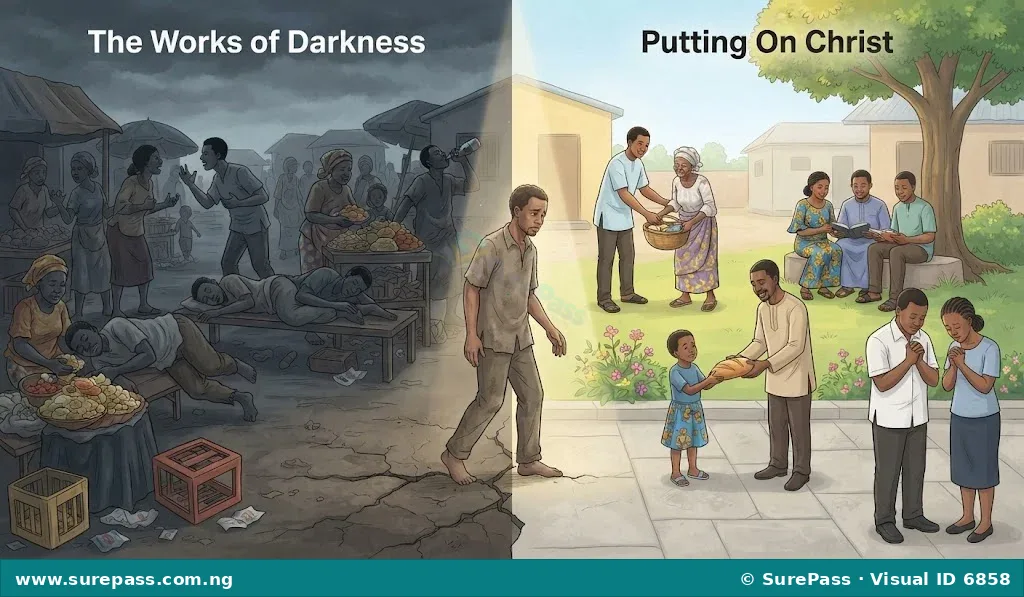
Paul instructs believers to “cast off the works of darkness” and “put on the armour of light.” The “works of darkness” include immoral behaviours such as revelry, drunkenness, sexual promiscuity, sensuality, quarrelling, and jealousy. These are actions that belong to the night, to a life lived without God’s guidance.
Instead, Christians are to “put on the Lord Jesus Christ.” This means identifying with Christ, allowing His character and teachings to shape their lives. It involves living in a way that reflects Christ’s righteousness, love, and purity. It is a call to make no provision for the flesh, meaning not to plan or create opportunities for sinful desires to be fulfilled. Living as children of light means actively choosing to live righteously and to avoid anything that would dishonour Christ.
Importance of Tolerance and Peaceful Coexistence
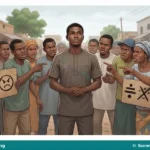
Tolerance and peaceful coexistence are essential aspects of Christian living and effective witnessing, especially in a diverse society like Nigeria.
- Reflects God’s Love: God demonstrates immense patience and love towards all humanity, regardless of their beliefs or actions. Christians are called to imitate this divine love by showing tolerance and understanding towards others, even those with whom they disagree.
- Promotes Harmony: In a multi-religious and multi-ethnic society, tolerance helps to reduce conflict and foster mutual respect. When Christians live peacefully with their neighbours, it creates an environment where dialogue and understanding can thrive, rather than animosity.
- Opens Doors for Witnessing: Aggression, intolerance, or hostility can close people’s hearts to the Christian message. However, when Christians demonstrate tolerance, respect, and a desire for peaceful coexistence, it builds bridges and creates opportunities to share their faith in a loving and non-confrontational way. People are more likely to listen to someone who treats them with dignity and respect.
- Fulfills the Great Commandment: Jesus taught that the greatest commandments are to love God and to love one’s neighbour as oneself. Peaceful coexistence is a practical expression of loving one’s neighbour, regardless of their background or beliefs.
- Builds a Better Society: Tolerance and peaceful coexistence contribute to the overall well-being and stability of a nation. They encourage cooperation, understanding, and collective efforts towards development, benefiting everyone in the community.
Therefore, living a life of witnessing for Christ includes actively pursuing peace and demonstrating tolerance, showing the world the transformative power of God’s love through actions.


0 comments
Open the discussion when you need it. Comments stay collapsed until requested so the initial article remains light.