



ARTICLE CONTENTSOn this page 8 sections
Jesus the Lamb, the Door and the Good Shepherd
Performance Objectives
By the end of the lesson, students should be able to:
- explain Jesus as the Lamb;
- discuss Jesus as the Door;
- explain Jesus as the Good Shepherd;
- Identify the significance of Jesus as the Lamb, the Door and the Good Shepherd.
Memory Verse
“The next day John saw Jesus coming unto him, and said, Behold the Lamb of God, which taketh away the sin of the world.” (John 1:29 KJV)
Bible Reading
The principal Bible passages supporting this lesson are:
- John 1:29-34
- John 10:1-10
- John 10:11-18
Jesus the Lamb of God
The title “Lamb of God” for Jesus carries deep significance rooted in the Old Testament sacrificial system and the Passover event. In ancient Israel, lambs were often used as sacrifices to atone for sins or to celebrate deliverance.
During the first Passover, the blood of a lamb was applied to the doorposts of Israelite homes, protecting the firstborn from the plague of death (Exodus 12). This event symbolised God’s deliverance of His people from slavery in Egypt.
John the Baptist introduced Jesus to the world with the profound declaration, “Behold the Lamb of God, which taketh away the sin of the world” (John 1:29). This statement immediately connected Jesus to the sacrificial lambs of the Old Testament, but with a far greater purpose.
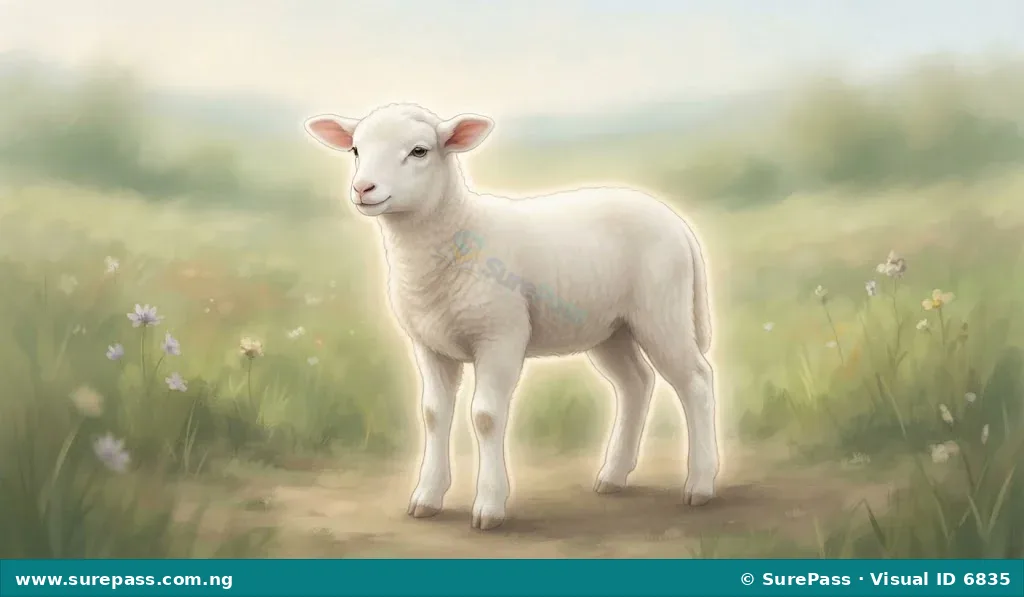
As the Lamb of God, Jesus became the ultimate and perfect sacrifice for the sins of humanity. Unlike the Old Testament sacrifices, which had to be repeated, Jesus’ sacrifice on the cross was a one-time event that provided complete and eternal atonement for sin. His death paid the penalty for human disobedience, offering forgiveness and reconciliation with God.
John the Baptist’s testimony in John 1:30-34 further confirms Jesus’ identity and mission. He testified that Jesus was the one upon whom the Spirit descended and remained, identifying Him as the Son of God who would baptise with the Holy Spirit. This confirmed Jesus’ divine nature and His role as the chosen one to fulfil the prophecy of the Lamb of God.
Jesus the Door
In John 10:1-10, Jesus uses the metaphor of a “door” to describe His unique role in providing access to salvation and spiritual life. In the context of ancient Palestine, sheepfolds were enclosures where sheep were kept safe at night. These folds often had only one entrance, and sometimes the shepherd himself would lie down across the entrance, acting as the “door” to protect the sheep from thieves and wild animals.
Jesus declares, “I am the door: by me if any man enter in, he shall be saved, and shall go in and out, and find pasture” (John 10:9). This statement highlights several key aspects of His role:
- Exclusive Access: Jesus is the only way to enter into a relationship with God and receive eternal life. There is no other path or mediator.
- Salvation: Those who enter through Him “shall be saved.” This refers to deliverance from sin, spiritual death, and eternal separation from God.
- Freedom and Provision: Believers can “go in and out, and find pasture.” This signifies spiritual freedom, security, and abundant spiritual nourishment found in Him. It implies a life of purpose and provision under His care.
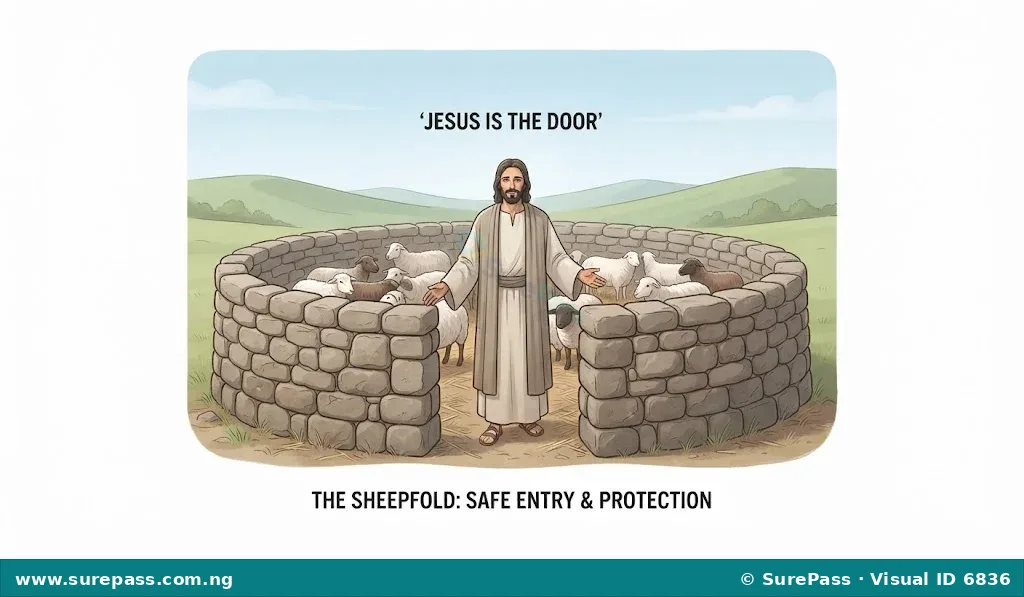
Jesus contrasts Himself with “thieves and robbers” (John 10:1, 8), who try to enter the sheepfold by other means, seeking to steal, kill, and destroy. These represent false teachers, false prophets, or any system that attempts to offer salvation or spiritual guidance apart from Jesus. They do not care for the sheep but seek their own gain.
By identifying Himself as the Door, Jesus assures His followers of security, protection, and abundant life. He is the gateway to true spiritual blessings and a relationship with the Father.
Jesus the Good Shepherd
Following the metaphor of the Door, Jesus further describes His relationship with His followers by calling Himself “the Good Shepherd” in John 10:11-18. The role of a shepherd was well understood in ancient Israel, symbolising care, guidance, and protection for a flock of sheep.
Jesus states, “I am the good shepherd: the good shepherd giveth his life for the sheep” (John 10:11). This declaration reveals the depth of His love and commitment to His followers:
- Self-Sacrifice: Unlike a hireling who flees when danger approaches, the Good Shepherd is willing to lay down His life for His sheep. This points directly to Jesus’ sacrificial death on the cross, where He willingly gave His life to save humanity.
- Intimate Knowledge: Jesus says, “I know my sheep, and am known of mine” (John 10:14). This signifies a deep, personal relationship between Jesus and His followers. He knows each one individually, their needs, their struggles, and their hearts. In turn, His sheep recognise and trust His voice.
- Protection and Guidance: A good shepherd protects his flock from predators and leads them to green pastures and still waters. Similarly, Jesus protects His followers from spiritual dangers and guides them to spiritual nourishment and peace.
- Unity of the Flock: Jesus also speaks of “other sheep I have, which are not of this fold: them also I must bring, and they shall hear my voice; and there shall be one fold, and one shepherd” (John 10:16). This refers to the inclusion of Gentiles (non-Jews) into God’s family, creating one unified body of believers under His leadership.
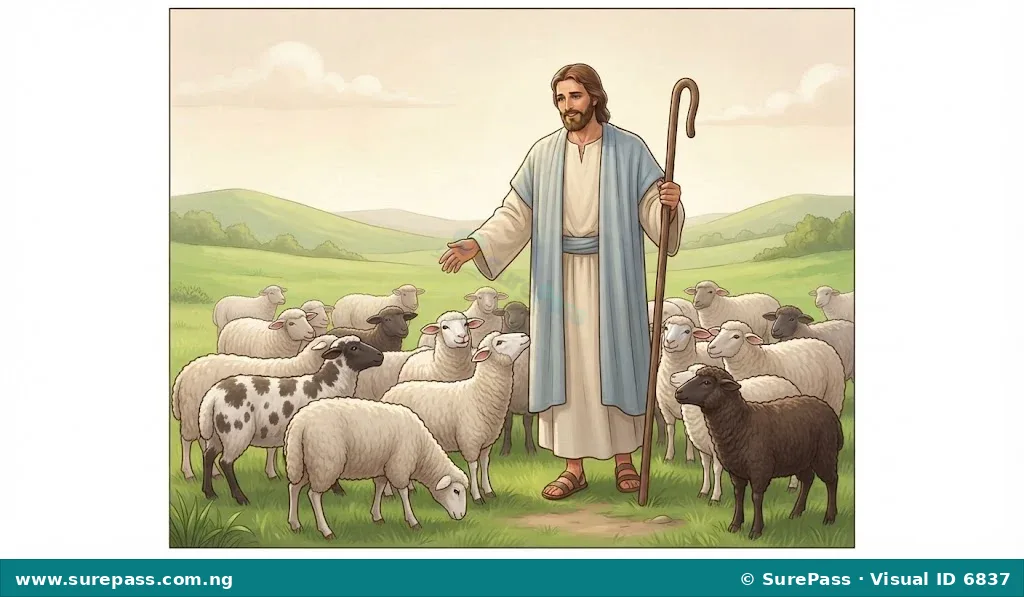
The contrast with the “hireling” (John 10:12-13) is crucial. A hireling works for wages and has no personal investment in the sheep. When danger comes, a hireling abandons the flock, leaving them vulnerable. This represents leaders or systems that do not genuinely care for people but are motivated by selfish gain, abandoning them in times of crisis.
Jesus, as the Good Shepherd, demonstrates ultimate love, care, and faithfulness, ensuring the well-being and eternal security of His sheep.
Significance of Jesus as the Lamb, the Door and the Good Shepherd
The three titles—Lamb, Door, and Good Shepherd—collectively reveal the multifaceted nature of Jesus’ mission and His relationship with humanity. Their significance for believers is profound:
- As the Lamb of God:
- Atonement for Sin: Jesus’ identity as the Lamb signifies His role as the perfect sacrifice for sin. Through His death, humanity receives forgiveness and reconciliation with God.
- Redemption: Believers are redeemed, or bought back, from the power and penalty of sin by the precious blood of Jesus, the spotless Lamb.
- Foundation of Faith: The sacrifice of the Lamb is the central act of Christian faith, providing the basis for salvation and eternal life.
- As the Door:
- Exclusive Access to God: Jesus is the only way to enter into a saving relationship with God the Father. No one can come to the Father except through Him.
- Security and Protection: Entering through Jesus, believers find spiritual safety and protection from spiritual dangers, false teachings, and the destructive forces of evil.
- Abundant Life: Jesus, as the Door, leads His followers to “pasture,” symbolising spiritual nourishment, peace, and a full, meaningful life in Him.
- As the Good Shepherd:
- Loving Care and Guidance: Jesus provides constant care, guidance, and direction for His followers, leading them through life’s challenges and triumphs.
- Ultimate Protection: He protects His sheep from spiritual enemies and dangers, demonstrating His unwavering commitment to their well-being.
- Self-Sacrificial Love: The Good Shepherd’s willingness to lay down His life for the sheep exemplifies the greatest love, assuring believers of His ultimate devotion.
- Unity and Inclusivity: Jesus gathers all His sheep, both Jews and Gentiles, into one flock, fostering unity and breaking down barriers among believers.
These titles collectively portray Jesus as the Saviour who cleanses from sin, the exclusive path to God, and the loving protector and guide of His people. Understanding these roles deepens a believer’s appreciation for Jesus’ divine nature and His redemptive work.





0 comments
Open the discussion when you need it. Comments stay collapsed until requested so the initial article remains light.