



ARTICLE CONTENTSOn this page 8 sections
Forgiveness
Performance Objectives
By the end of the lesson, students should be able to:
- explain the meaning and importance of forgiveness;
- discuss the teachings of Jesus on forgiveness;
- describe the consequences of not forgiving others.
Memory Verse
And all things are of God, who hath reconciled us to himself by Jesus Christ, and hath given to us the ministry of reconciliation; To wit, that God was in Christ, reconciling the world unto himself, not imputing their trespasses unto them; and hath committed unto us the word of reconciliation. (2 Corinthians 5:18-19 KJV)
Bible Reading
The principal Bible passages supporting this lesson include:
- 2 Corinthians 5:18-19
- Hebrews 8:1-13
- Luke 6:37
- Ephesians 4:32
- Colossians 3:13
- Matthew 6:12
- Matthew 18:21-35
Meaning of Forgiveness
Forgiveness is the act of pardoning someone for an offence or wrongdoing, letting go of resentment, anger, and the desire for revenge against them.
It involves choosing to release the person who has wronged you from the debt you feel they owe you, even if they do not ask for it or deserve it. In a Christian context, forgiveness is rooted in God’s character and His act of forgiving humanity through Jesus Christ.
Importance of Forgiveness
Forgiveness is a cornerstone of Christian faith and practice, bringing numerous benefits to individuals and communities. Its importance can be understood in several ways:
-
Reconciliation with God: The Bible teaches that humanity sinned against God, creating a separation. God, in His love, offered forgiveness and reconciliation through Jesus Christ (2 Corinthians 5:18-19). This divine act of forgiveness serves as the ultimate model for human forgiveness.
-
Inner Peace and Healing: Holding onto anger, bitterness, and resentment can cause significant emotional and spiritual harm. Forgiveness releases these negative emotions, leading to inner peace, emotional healing, and freedom from the burden of past hurts.
-
Restoration of Relationships: Forgiveness is essential for mending broken relationships. When people forgive each other, it opens the door for reconciliation, understanding, and the rebuilding of trust, fostering stronger bonds within families, friendships, and communities.
-
Obedience to God’s Command: Jesus explicitly taught His followers to forgive others. Forgiving is an act of obedience to God’s will and a demonstration of Christian love (Ephesians 4:32, Colossians 3:13). It reflects the mercy and grace that God has shown to believers.
-
Receiving God’s Forgiveness: Jesus taught that the forgiveness we extend to others is linked to the forgiveness we receive from God (Matthew 6:12, Luke 6:37). When believers forgive those who wrong them, they demonstrate a heart that aligns with God’s own forgiving nature, making them receptive to His grace.
-
Breaking Cycles of Vengeance: In many societies, a wrong act can lead to a cycle of retaliation and revenge. Forgiveness breaks this cycle, promoting peace and justice rather than endless conflict. It encourages a response of grace instead of retribution.
Jesus’ Teaching on Forgiveness
Jesus Christ placed great emphasis on forgiveness throughout His ministry, making it a central theme of His teachings. His instructions on forgiveness are not merely suggestions but fundamental principles for His followers.
One of the most profound teachings on forgiveness is found in the Lord’s Prayer:
And forgive us our debts, as we forgive our debtors. (Matthew 6:12)
This verse highlights a crucial connection: our ability to receive God’s forgiveness is tied to our willingness to forgive others. It implies that a heart that refuses to forgive cannot fully grasp or receive the depth of God’s mercy.
Jesus also taught in Luke 6:37:
Judge not, and you shall not be judged. Condemn not, and you shall not be condemned. Forgive, and you will be forgiven.
This teaching reinforces the idea that forgiveness is a two-way street. When believers extend forgiveness, they create an environment where they too can experience God’s pardon. It encourages a compassionate and merciful attitude towards others, mirroring God’s own character.
Furthermore, Jesus taught that forgiveness should be limitless. When Peter asked how many times he should forgive his brother, suggesting “seven times,” Jesus replied:
I say not unto thee, Until seven times: but, Until seventy times seven. (Matthew 18:22)
This response does not mean exactly 490 times, but rather an infinite number of times, indicating that forgiveness should be a continuous and unconditional practice for believers.
Consequences of Not Forgiving Others
Jesus vividly illustrated the severe consequences of refusing to forgive others through the Parable of the Unforgiving Servant, recorded in Matthew 18:21-35.
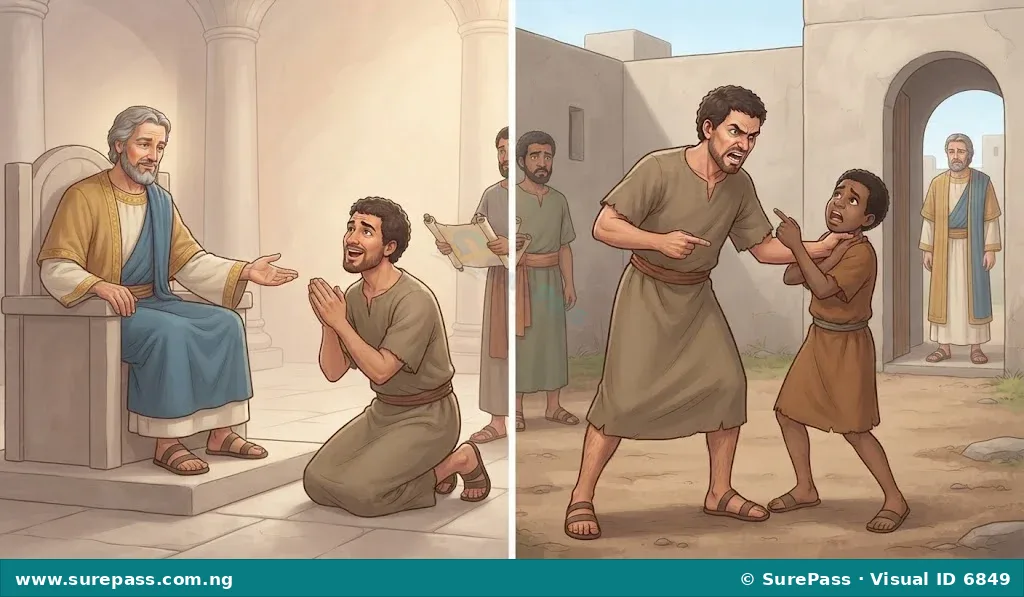
In this parable, a servant owed his king an enormous sum of money, an amount he could never repay. The king, moved by compassion, forgave the entire debt. However, this same servant then encountered a fellow servant who owed him a very small amount. Despite the fellow servant’s pleas, the first servant refused to forgive the debt and had him thrown into prison.
When the king heard about this, he was furious. He summoned the unforgiving servant and said:
O thou wicked servant, I forgave thee all that debt, because thou desiredst me: Shouldest not thou also have had compassion on thy fellowservant, even as I had pity on thee? And his lord was wroth, and delivered him to the tormentors, till he should pay all that was due unto him. So likewise shall my heavenly Father do also unto you, if ye from your hearts forgive not every one his brother their trespasses. (Matthew 18:32-35)
This parable reveals several critical consequences of not forgiving others:
-
Loss of God’s Forgiveness: The most significant consequence is that God will not forgive those who refuse to forgive others. Just as the king revoked his forgiveness from the unforgiving servant, God’s forgiveness is withheld from those who hold onto bitterness and resentment.
-
Spiritual Torment: The unforgiving servant was delivered to “tormentors.” This signifies spiritual and emotional distress, a life burdened by anger, bitterness, and a lack of peace. Refusing to forgive can lead to a tormented conscience and a troubled spirit.
-
Broken Relationship with God: An unforgiving heart creates a barrier between the individual and God. It demonstrates a lack of understanding of God’s grace and mercy, hindering one’s spiritual growth and communion with the Heavenly Father.
-
Continued Bondage: When a person refuses to forgive, they remain emotionally and spiritually bound to the person who wronged them. The hurt continues to fester, preventing true freedom and healing. Forgiveness, on the other hand, sets both the forgiver and the forgiven free.
-
Negative Impact on Relationships: An unforgiving attitude can poison all relationships. It fosters suspicion, resentment, and a lack of trust, making it difficult to maintain healthy connections with family, friends, and community members.
Therefore, Jesus’ teaching makes it clear that forgiveness is not optional for believers but a vital aspect of living a life reconciled with God and others.





0 comments
Open the discussion when you need it. Comments stay collapsed until requested so the initial article remains light.