



ARTICLE CONTENTSOn this page 10 sections
Spiritual Gifts and Talents
Performance Objectives
By the end of the lesson, students should be able to:
- explain the meaning of spiritual gifts and talents;
- explain the difference between spiritual gifts and talents;
- explain the different types of spiritual gifts and talents;
- discuss the uses of spiritual gifts and talents.
Memory Verse
But the manifestation of the Spirit is given to every man to profit withal. (1 Corinthians 12:7 KJV)
Bible Reading
The following Bible passages support the lesson:
- 1 Corinthians 12:4-8
- 1 Corinthians 12:28
- Ephesians 4:11-13
- Romans 12:6-8
- 1 Corinthians 12:7-11
- 1 Corinthians 12:31
- 1 Corinthians 14:1
- 1 Corinthians 14:4
- 1 Corinthians 14:5
Meaning of Spiritual Gifts
Spiritual gifts are special abilities or endowments given by the Holy Spirit to believers for the purpose of building up the church and serving God. These gifts are supernatural in nature and are not earned or acquired through human effort or training. They are freely distributed by the Holy Spirit as He wills, to enable Christians to perform specific ministries and functions within the body of Christ.
The Bible teaches that these gifts are diverse, but they all originate from the same Spirit and are given for the common good. Examples include prophecy, teaching, healing, and speaking in tongues, as mentioned in 1 Corinthians 12:4-8 and Romans 12:6-8.
Meaning of Talents
Talents are natural abilities or aptitudes that a person is born with or develops through practice and training. These abilities are part of a person’s natural endowment and can be used for various purposes in life, both secular and religious. Talents are often evident from a young age and can be refined over time.
Examples of talents include musical ability, artistic skill, athletic prowess, leadership qualities, problem-solving skills, and communication abilities. While talents are natural, they can also be used to serve God and humanity.
Differences Between Spiritual Gifts and Talents
While both spiritual gifts and talents are abilities that can be used to serve God and others, there are key differences between them. Understanding these distinctions helps believers to appreciate the unique ways God equips individuals.
Origin
Spiritual gifts originate from the Holy Spirit. They are supernatural endowments given at conversion or later in a believer’s life. They are not inherited or developed through natural means. Talents, on the other hand, are natural abilities that a person is born with or develops through practice, education, and experience. They are part of a person’s natural makeup and can be present in both believers and non-believers.
Purpose
The primary purpose of spiritual gifts is to build up the body of Christ, the church, and to glorify God. They are specifically for ministry and service within the Christian community and for the advancement of God’s kingdom. Talents can be used for various purposes, including personal enjoyment, professional success, and general contribution to society. While they can be consecrated and used for God’s glory, their inherent purpose is not exclusively spiritual or church-focused.
Possession
Spiritual gifts are given only to believers in Jesus Christ, as they are manifestations of the Holy Spirit working within them. Every believer receives at least one spiritual gift (1 Corinthians 12:7). Talents are possessed by all people, regardless of their faith or spiritual standing. A person can be a gifted musician or artist without being a Christian.
Acquisition
Spiritual gifts are sovereignly given by God; they cannot be earned, learned, or developed through human effort. They are received by grace. Talents can be developed, improved, and honed through training, education, and consistent practice. A person can take lessons to improve their singing or drawing skills.
Types of Spiritual Gifts
The Bible lists various spiritual gifts, emphasising their diversity and the unity of the Spirit who gives them. These gifts are given to equip believers for service and ministry within the church and the world. Some of the types of spiritual gifts mentioned in scripture include:
- Word of Wisdom: The ability to apply spiritual truth to specific situations, offering divine insight and guidance.
- Word of Knowledge: The ability to understand and communicate spiritual truths or facts that are not naturally known, often revealing God’s will or hidden information.
- Faith: A supernatural trust in God that enables a person to believe for the impossible, often leading to miraculous outcomes.
- Gifts of Healing: The ability to be used by God to restore health to the sick, either physically, emotionally, or spiritually.
- Working of Miracles: The ability to perform supernatural acts that demonstrate God’s power, such as controlling nature or raising the dead.
- Prophecy: The ability to speak a message from God, which may involve foretelling future events, forth-telling divine truth, or offering encouragement and exhortation.
- Discerning of Spirits: The ability to distinguish between true and false spiritual influences, identifying whether a spirit is from God or from an evil source.
- Diverse Kinds of Tongues: The ability to speak in a language unknown to the speaker, either a human language or a heavenly language, for prayer or public ministry.
- Interpretation of Tongues: The ability to understand and explain a message spoken in tongues, making it intelligible to others.
- Apostleship: The gift of being sent by God with authority to establish and oversee churches, often involving pioneering ministry.
- Teaching: The ability to clearly explain and apply God’s Word, helping others to understand and grow in their faith.
- Helps (Service): The ability to assist others in practical ways, providing support and meeting needs within the church.
- Administration (Governments): The ability to organise, lead, and guide the church effectively, ensuring smooth operation and direction.
- Exhortation: The ability to encourage, comfort, and motivate others to live out their faith and pursue God’s will.
- Giving: The ability to generously and joyfully contribute material resources to support God’s work, often beyond what is expected.
- Leadership: The ability to guide and direct others with vision and purpose, inspiring them to work towards common goals.
- Mercy: The ability to show compassion and practical help to those who are suffering or in need, often with great sensitivity.
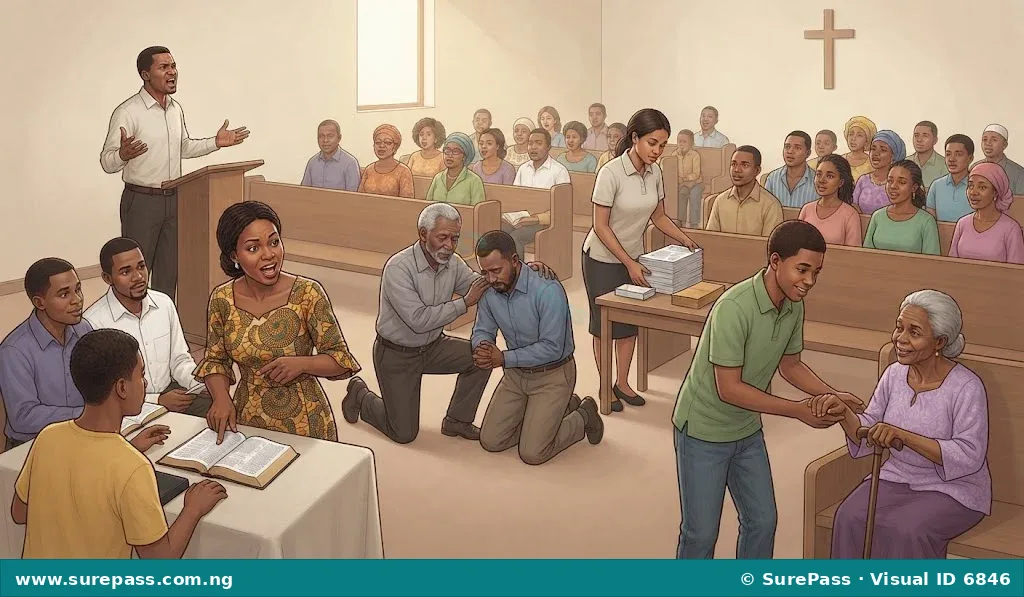
Types of Talents
Talents are natural abilities that individuals possess, which can be developed and used in various aspects of life. These abilities are not limited to believers and can be found in people from all walks of life. Some common types of talents include:
- Artistic Talents: Abilities in areas such as drawing, painting, sculpting, photography, graphic design, and creative writing.
- Musical Talents: Skills in singing, playing musical instruments, composing music, or conducting.
- Athletic Talents: Natural aptitude for sports, physical coordination, strength, speed, and endurance, leading to excellence in various athletic activities.
- Intellectual Talents: Strong abilities in areas like mathematics, science, problem-solving, critical thinking, research, and academic learning.
- Leadership Talents: The capacity to inspire, motivate, and guide groups of people, making effective decisions and fostering teamwork.
- Communication Talents: Skills in public speaking, storytelling, writing, debating, or interpersonal communication.
- Practical/Mechanical Talents: Aptitude for working with tools, building, repairing, engineering, or hands-on tasks.
- Organisational Talents: The ability to plan, arrange, and manage resources, events, or people efficiently and effectively.
- Interpersonal Talents: Skills in understanding and relating to others, showing empathy, mediation, and building strong relationships.

Uses of Spiritual Gifts and Talents
Both spiritual gifts and natural talents are given by God and are intended to be used for His glory and the benefit of humanity. When consecrated to God, talents become powerful tools for ministry, while spiritual gifts are inherently for divine service. The uses of these abilities include:
- Building up the Church: Spiritual gifts are primarily given to equip believers to serve one another and strengthen the body of Christ. For example, the gift of teaching helps members grow in knowledge, while the gift of helps ensures practical needs are met. Talents like organisational skills or musical ability can also be used to support church activities and worship.
- Evangelism and Outreach: Gifts like prophecy, evangelism, and healing can draw non-believers to Christ by demonstrating God’s power and truth. Talents such as public speaking, artistic expression, or hospitality can also be used to share the Gospel and reach out to the community.
- Serving Humanity: Both gifts and talents enable believers to serve others in practical and spiritual ways. A person with the gift of mercy can minister to the suffering, while someone with a talent for problem-solving can help address community challenges. These acts of service reflect God’s love to the world.
- Glorifying God: The ultimate purpose of all gifts and talents, when used righteously, is to bring glory to God. When believers use their abilities to serve others and advance God’s kingdom, they honour the Giver of all good things.
- Personal Growth and Fulfilment: Using one’s gifts and talents in service brings a sense of purpose and fulfilment. As believers exercise their spiritual gifts, they grow in faith and experience God’s power working through them. Similarly, developing and using natural talents can lead to personal satisfaction and achievement.
- Leadership and Governance: Gifts of administration and leadership are crucial for guiding the church and ensuring its effective functioning. Talents in leadership and organisation can also be applied in church committees, youth groups, or community initiatives, providing direction and structure.
- Worship and Expression: Musical talents, artistic abilities, and even gifts like prophecy or speaking in tongues can be used in worship to express devotion to God and to inspire others in their praise.





0 comments
Open the discussion when you need it. Comments stay collapsed until requested so the initial article remains light.