


ARTICLE CONTENTSOn this page 7 sections
New Life in Christ
Performance Objectives
By the end of the lesson, students should be able to:
- explain the meaning of old life and new life in Christ;
- discuss the characteristics of old life;
- explain the characteristics of new life in Christ.
Memory Verse
Therefore if any man be in Christ, he is a new creature: old things are passed away; behold, all things are become new. (2 Corinthians 5:17 KJV)
Bible Reading
The following Bible passages provide foundational understanding for this lesson:
- John 3:3
- Romans 6:12-19
- 2 Corinthians 5:17
- Galatians 5:19-21
- Colossians 3:1-7
Meaning of Old Life and New Life in Christ
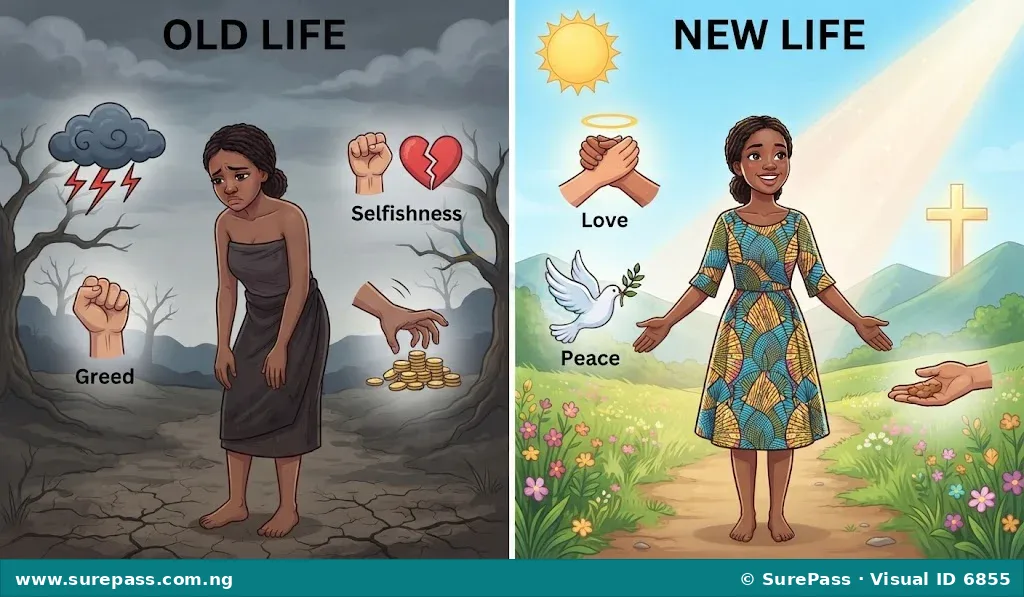
The concept of “new life in Christ” is central to Christian faith. It describes a profound spiritual transformation that occurs when a person accepts Jesus Christ as their Lord and Saviour. This transformation involves moving from an “old life” to a “new life.”
The Old Life
The old life refers to the way of living before a person commits to Christ. It is characterised by a focus on worldly desires, sinful behaviours, and a separation from God. This life is often driven by selfish motives, human weaknesses, and a lack of spiritual understanding. It is a life lived according to the flesh, which often leads to actions and attitudes that are contrary to God’s will.
The New Life in Christ
The new life in Christ is a spiritual rebirth and a radical change in a person’s nature and direction. It is a life lived in union with Christ, guided by the Holy Spirit, and focused on God’s will. This transformation is not merely an improvement of the old self but a complete renewal, making a person a “new creature” (2 Corinthians 5:17). It involves a change in desires, thoughts, words, and actions, aligning them with the teachings and example of Jesus Christ. John 3:3 emphasises this spiritual rebirth, stating that one must be “born again” to see the kingdom of God.
Characteristics of Old Life
The Bible clearly describes the characteristics of the old life, often referred to as the “works of the flesh” or earthly desires. These characteristics reflect a life lived apart from God’s influence and guidance.
According to Galatians 5:19-21, the works of the flesh include:
- Adultery: Sexual unfaithfulness, engaging in sexual relations outside of marriage.
- Fornication: Sexual intercourse between unmarried people.
- Uncleanness: Moral impurity, engaging in indecent or immoral acts.
- Lasciviousness: Sensuality, unrestrained indulgence in physical pleasures, often with a lack of shame.
- Idolatry: Worshipping anything or anyone other than the one true God, placing other things (money, power, possessions) before God.
- Witchcraft: Engaging in occult practices, sorcery, or seeking power through evil spirits.
- Hatred: Intense dislike or ill-will towards others.
- Variance: Discord, strife, or quarrelling among people.
- Emulations: Jealousy, intense rivalry, or envy.
- Wrath: Violent anger, uncontrolled outbursts of rage.
- Strife: Contentiousness, constant disagreement, or fighting.
- Seditions: Divisions, stirring up rebellion or disunity.
- Heresies: False teachings or doctrines that contradict biblical truth, leading to divisions.
- Envyings: Resentment towards others’ possessions, success, or qualities.
- Murders: Unlawful killing of another human being.
- Drunkenness: Intoxication from alcohol, excessive consumption of alcoholic beverages.
- Revellings: Wild parties, excessive feasting, or uncontrolled merrymaking.
Colossians 3:5-7 further describes the characteristics of the old life as earthly members that should be put to death. These include:
- Fornication: Sexual immorality.
- Uncleanness: Moral impurity.
- Inordinate affection: Uncontrolled passions or lusts.
- Evil concupiscence: Evil desires or covetousness.
- Covetousness: Greed, an excessive desire for more possessions, which is equated with idolatry.
These characteristics represent a life lived according to human sinful nature, leading to spiritual death and separation from God.
Characteristics of New Life in Christ
The new life in Christ is marked by a transformation of character, guided by the Holy Spirit. This transformation produces virtues and attitudes that reflect God’s nature and bring glory to Him. Romans 6:12-19 encourages believers not to let sin reign in their mortal bodies but to present themselves to God as instruments of righteousness. Colossians 3:1-6 urges believers to set their minds on things above, not on earthly things, because they have been raised with Christ.
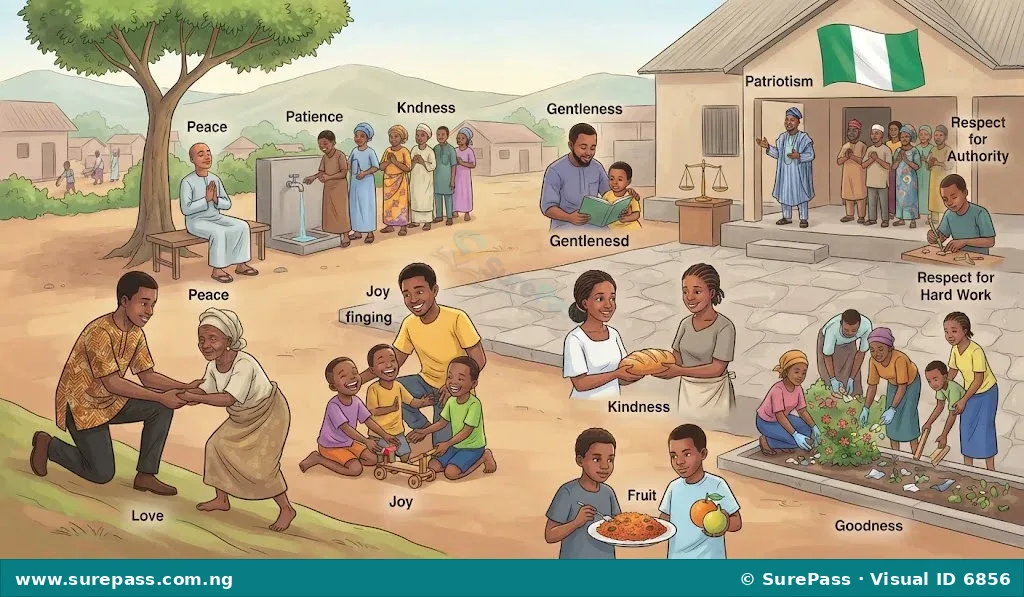
The characteristics of the new life, often referred to as the “fruit of the Spirit” (Galatians 5:22-23), and other virtues include:
- Love: A selfless, unconditional affection and goodwill towards God and others. This love seeks the well-being of others, even those who are difficult to love.
- Joy: A deep-seated gladness and contentment that comes from God, independent of outward circumstances. It is a spiritual delight in God’s presence and promises.
- Peace: An inner calmness and tranquility that results from a right relationship with God. It involves freedom from anxiety and a sense of wholeness.
- Patience: The ability to endure difficult situations, delays, or provocations without complaint or anger. It is long-suffering and perseverance.
- Kindness: Being gentle, benevolent, and compassionate towards others. It involves showing goodness and generosity in actions and words.
- Goodness: Moral excellence and uprightness of character. It is actively doing what is right and beneficial.
- Faithfulness: Loyalty, trustworthiness, and reliability in one’s commitments to God and others. It means being true to one’s word.
- Gentleness: Meekness, humility, and a mild disposition. It is strength under control, not weakness.
- Self-control: The ability to master one’s desires, passions, and impulses. It involves discipline over one’s thoughts, words, and actions.
- Humility: A modest view of one’s own importance, recognising one’s dependence on God and valuing others above oneself.
- Tolerance: The ability to accept or endure the existence of opinions or behaviour that one dislikes or disagrees with, without compromising one’s own beliefs.
- Justice: Upholding what is right and fair, treating all people equitably according to moral and legal principles.
- Patriotism: Love for one’s country and a willingness to support and defend it, working for its progress and well-being.
- Respect for Hard Work: Valuing diligence, effort, and honest labour as a means of productivity and contribution to society.
- Respect for Constituted Authority: Honouring and obeying those in positions of leadership, whether in government, church, or community, as long as their commands do not contradict God’s word.
- Dignity of Labour: Recognising that all honest work, regardless of its nature, has inherent value and is worthy of respect.
These characteristics demonstrate a life transformed by the Holy Spirit, reflecting the nature of Christ and contributing positively to the family, church, and wider society.



0 comments
Open the discussion when you need it. Comments stay collapsed until requested so the initial article remains light.