


ARTICLE CONTENTSOn this page 8 sections
Jesus the True Vine, Living Bread and Living Water
Performance Objectives
By the end of the lesson, students should be able to:
- explain Jesus as the True Vine; discuss Jesus as the Living Bread;
- describe Jesus as the Living Water;
- explain the significance of Jesus as the True Vine, the Living Bread and the Living Water.
Memory Verse
John 15:5 (KJV): “I am the vine, ye are the branches: He that abideth in me, and I in him, the same bringeth forth much fruit: for without me ye can do nothing.”
Bible Reading
The principal Bible passages supporting this lesson are:
- John 15:1-7
- John 6:25-40
- John 4:7-15
In the Gospel of John, Jesus uses several powerful metaphors to describe His identity and His relationship with humanity. These metaphors help people understand His divine nature and the spiritual benefits He offers. Three significant metaphors are Jesus as the True Vine, the Living Bread, and the Living Water. Each of these titles reveals a unique aspect of Jesus’ role in providing spiritual life, sustenance, and refreshment to those who believe in Him.
Jesus as the True Vine (John 15:1-7)
The metaphor of the vine and its branches is a rich image that Jesus used to explain the essential connection between Himself and His followers. In John 15:1-7, Jesus declares, “I am the true vine, and my Father is the vinedresser. Every branch in me that does not bear fruit he takes away, and every branch that does bear fruit he prunes, that it may bear more fruit.”
In this teaching, Jesus identifies Himself as the “true vine.” In ancient Israel, the vine was a common symbol for the nation of Israel, but often it was depicted as a wild or unfruitful vine. By calling Himself the “true vine,” Jesus indicates that He is the perfect and ultimate source of spiritual life and fruitfulness, fulfilling what Israel was meant to be.
The roles in this metaphor are clearly defined:
- Jesus: The True Vine. He is the source of life, nourishment, and strength for believers.
- God the Father: The Vinedresser (or gardener). He cares for the vine, prunes the branches, and ensures their fruitfulness.
- Believers: The Branches. They are connected to Jesus, drawing life from Him.
The central message of this metaphor is the importance of “abiding” in Jesus. To abide means to remain, stay, or live in close connection with Him. Just as a branch cannot bear fruit if it is separated from the vine, believers cannot produce spiritual fruit (such as love, joy, peace, patience, kindness, goodness, faithfulness, gentleness, self-control) without remaining connected to Jesus. This connection involves obedience to His commands, prayer, and a continuous relationship with Him.
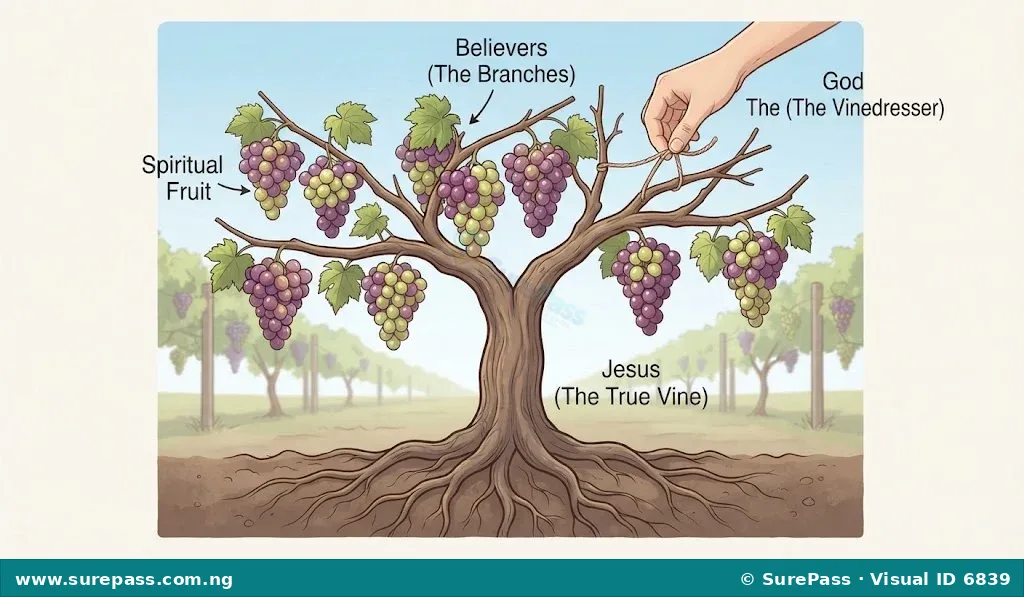
The vinedresser’s role involves pruning. This means that God sometimes removes things from a believer’s life that hinder spiritual growth or fruitfulness. While pruning can be painful, it is ultimately for the purpose of helping the branch bear more fruit. Branches that do not bear fruit are cut off, symbolising those who claim to be followers of Jesus but do not show evidence of a living connection to Him.
Jesus as the Living Bread (John 6:25-40)
The teaching of Jesus as the Living Bread came after He miraculously fed over five thousand people with five barley loaves and two small fish (John 6:1-14). The crowd, amazed by this miracle, followed Jesus, hoping for more physical bread. However, Jesus used this opportunity to teach them about a deeper, spiritual hunger and a different kind of bread.
In John 6:35, Jesus declares, “I am the bread of life; whoever comes to me shall not hunger, and whoever believes in me shall never thirst.” He explains that the bread He offers is not like the manna their ancestors ate in the wilderness, which only sustained physical life for a time. Those who ate the manna eventually died. Jesus’ bread, however, gives eternal life.
The key distinction Jesus makes is between physical bread and spiritual bread:
- Physical Bread: This bread sustains the body for a limited time. It is temporary and perishable. The people were seeking this kind of bread.
- Living Bread: This bread is Jesus Himself. He offers spiritual nourishment that satisfies the deepest hunger of the soul and leads to eternal life. This bread is permanent and imperishable.
To “eat” this living bread means to believe in Jesus, to accept Him as the Son of God, and to receive His teachings. Just as physical bread is essential for the body’s survival, Jesus is essential for the soul’s spiritual life. He provides complete satisfaction, meaning that those who come to Him will not experience spiritual hunger or emptiness.
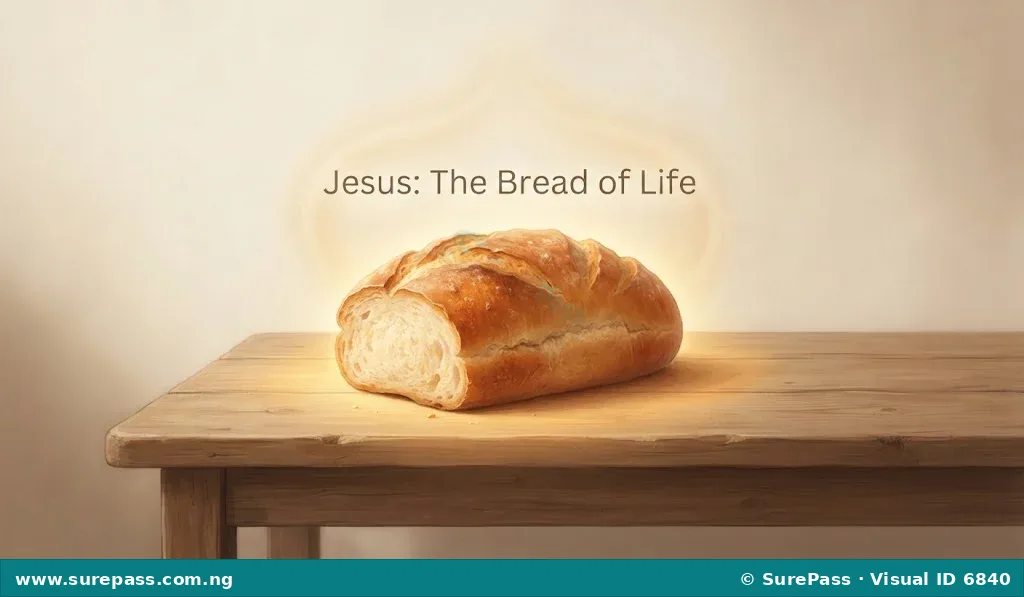
This teaching also highlights God’s will: that everyone who looks to the Son and believes in Him should have eternal life. Jesus promises to raise them up on the last day, emphasising the eternal security and hope found in Him.
Jesus as the Living Water (John 4:7-15)
The declaration of Jesus as the Living Water occurs during His encounter with a Samaritan woman at Jacob’s well (John 4:7-15). This conversation is significant because Jews typically avoided Samaritans, yet Jesus initiated a dialogue with her.
When Jesus asked the woman for a drink, she was surprised. Jesus then offered her “living water.” The woman initially misunderstood, thinking He was referring to literal spring water that would save her the trouble of drawing water from the well every day. However, Jesus was speaking of spiritual water.
Jesus explained the difference between physical water and living water:
- Physical Water: This water quenches thirst temporarily. People who drink it will become thirsty again. It is a constant, recurring need.
- Living Water: This water is what Jesus offers. It quenches spiritual thirst permanently, so that “whoever drinks of the water that I will give him will never be thirsty again. The water that I will give him will become in him a spring of water welling up to eternal life.”
The “living water” represents the Holy Spirit and the eternal life that Jesus provides. It satisfies the deepest spiritual longings and brings continuous refreshment and new life. This spiritual refreshment is not a one-time event but an ongoing source of life within the believer, leading to eternal life.
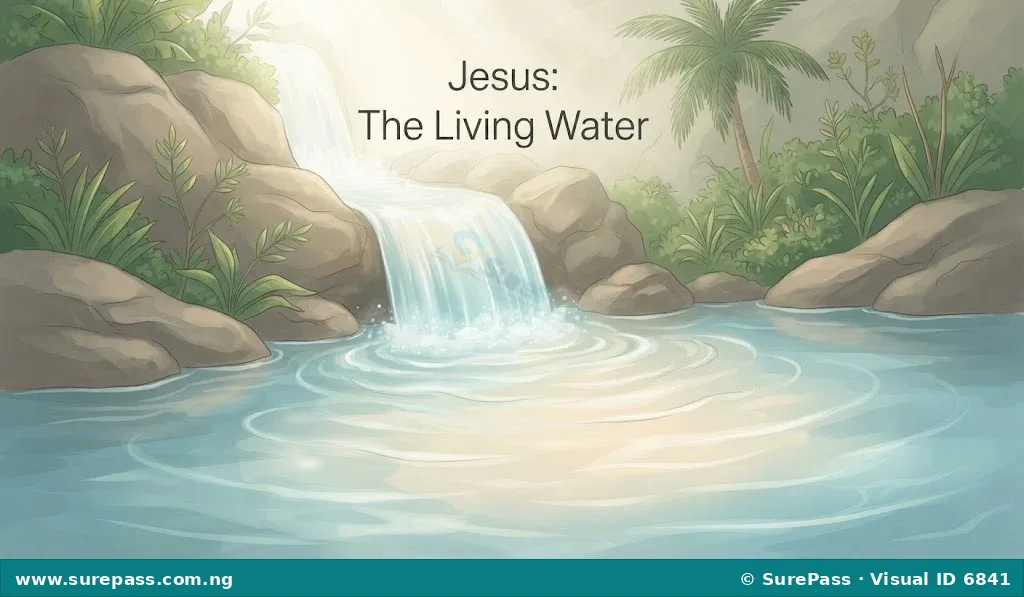
The Samaritan woman, upon understanding the spiritual nature of Jesus’ offer, asked for this living water, recognising its profound significance for her life.
Significance of Jesus as the True Vine, Living Bread and Living Water
The three metaphors of Jesus as the True Vine, the Living Bread, and the Living Water are deeply significant for believers and reveal fundamental truths about Jesus’ identity and His provision for humanity.
The significance of each metaphor includes:
- Jesus as the True Vine:
- Source of Life and Sustenance: Jesus is the ultimate source of spiritual life. Believers draw their spiritual vitality, strength, and nourishment directly from Him.
- Necessity of Connection: Abiding in Jesus is not optional but essential for spiritual fruitfulness. Without Him, believers can do nothing of lasting spiritual value.
- Unity and Fellowship: All believers, as branches, are connected to the same vine, fostering unity and fellowship among them.
- Divine Care: God the Father, as the vinedresser, actively cares for and prunes believers to ensure their growth and productivity.
- Jesus as the Living Bread:
- Spiritual Nourishment: Jesus satisfies the deepest spiritual hunger of the human soul. He provides sustenance that physical food cannot offer.
- Eternal Life: Believing in Jesus, the Living Bread, leads to eternal life, overcoming the temporary nature of physical existence.
- Complete Satisfaction: Those who come to Jesus will never hunger spiritually again, finding complete contentment and fulfilment in Him.
- Faith as the Means: Receiving this spiritual bread is through faith and belief in Jesus as the Son of God.
- Jesus as the Living Water:
- Spiritual Refreshment: Jesus offers spiritual refreshment that quenches the soul’s deepest thirst, providing continuous renewal and vitality.
- Permanent Satisfaction: Unlike physical water, the living water Jesus gives provides lasting satisfaction, so believers will never thirst again spiritually.
- Source of Eternal Life: This living water wells up within believers, leading to eternal life and a continuous flow of God’s presence.
- New Life and Transformation: Receiving the living water brings about a profound transformation and newness of life.
Collectively, these metaphors highlight Jesus as the all-sufficient provider for every human need—life, sustenance, and refreshment. They underscore the importance of a personal, continuous relationship with Him for spiritual growth, fruitfulness, and the promise of eternal life.




0 comments
Open the discussion when you need it. Comments stay collapsed until requested so the initial article remains light.