


ARTICLE CONTENTSOn this page 9 sections
Humility
Performance Objectives
By the end of the lesson, students should be able to:
- explain the meaning of humility and the need to live a humble life;
- discuss Jesus’ demonstration humility;
- analyse ways of demonstrating humility;
- discuss the benefits of humility;
- explain the consequences of pride.
Memory Verse
Let nothing be done through strife or vainglory; but in lowliness of mind let each esteem other better than themselves. Philippians 2:3 (KJV)
Bible Reading
The principal Bible passages supporting this lesson include:
- Philippians 2:1-11
- Matthew 26:14-39
- Luke 22:24-27
- John 13:1-17
- Matthew 18:1-4
- Luke 1:47-56
- James 4:6, 10
- 1 Peter 5:5
- Matthew 23:12
Meaning of Humility and the Need for a Humble Life
Humility is the quality of having a modest or low view of one’s own importance. It involves recognising one’s dependence on God and acknowledging the value and worth of others.
A humble person does not think too highly of themselves or boast about their achievements. Instead, they are willing to learn, serve, and put others before themselves. Humility is not about thinking less of oneself, but thinking of oneself less often, focusing more on God and others.
The Bible teaches that living a humble life is essential for Christians. Philippians 2:1-11 encourages believers to have the same mindset as Christ Jesus, who, despite being God, humbled Himself by becoming a human and dying on a cross. This passage highlights that humility leads to unity, selflessness, and a willingness to serve others, reflecting the character of Christ.
Living a humble life helps to build strong relationships, promotes peace, and allows God’s grace to work effectively in a person’s life. It is a foundational virtue in Christian living.

Jesus’ Demonstration of Humility
Jesus Christ perfectly demonstrated humility throughout His earthly ministry. His life provides the ultimate example for believers to follow.
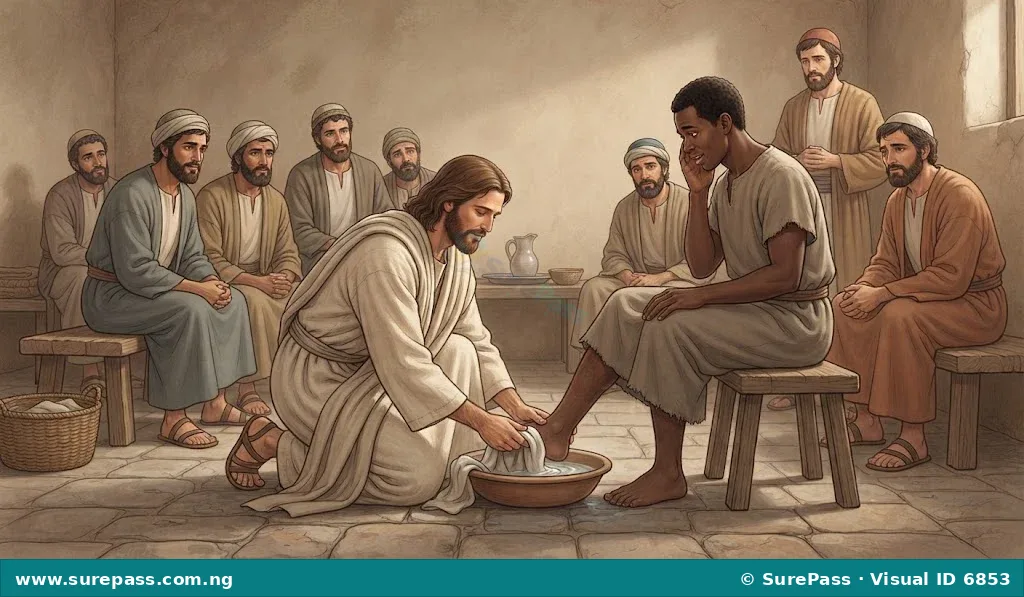
Washing the Disciples’ Feet
In John 13:1-17, Jesus performed a remarkable act of humility by washing the feet of His disciples. This task was typically done by the lowest servant in a household. By taking on this role, Jesus, their Lord and Teacher, showed them that true leadership involves humble service. He taught them, “If I then, your Lord and Master, have washed your feet; ye also ought to wash one another’s feet.” This act symbolised His willingness to serve and His call for His followers to do the same.
Teaching on Greatness Through Service
Luke 22:24-27 records an argument among the disciples about who among them was the greatest. Jesus responded by teaching them that true greatness in God’s kingdom is found in humble service. He said, “But ye shall not be so: but he that is greatest among you, let him be as the younger; and he that is chief, as he that doth serve. For whether is greater, he that sitteth at meat, or he that serveth? is not he that sitteth at meat? but I am among you as he that serveth.” Jesus Himself lived this principle, serving others rather than seeking to be served.
Submission in Gethsemane
Matthew 26:36-39 describes Jesus’ prayer in the Garden of Gethsemane before His crucifixion. Despite the immense suffering He was about to endure, Jesus humbly submitted His will to God the Father. He prayed, “O my Father, if it be possible, let this cup pass from me: nevertheless not as I will, but as thou wilt.” This act of complete surrender to God’s plan, even when it meant great pain, is a powerful demonstration of humility and obedience.
Ways of Demonstrating Humility
Christians are called to demonstrate humility in their daily lives through various actions and attitudes. These ways reflect a heart that is yielded to God and considerate of others.
Becoming Like a Child
In Matthew 18:1-4, Jesus taught His disciples that to enter the kingdom of heaven, they must humble themselves and become like little children. Children are often dependent, trusting, and free from the pride and self-importance that adults can develop. To be childlike in humility means to be teachable, to acknowledge one’s dependence on God, and to be free from arrogance.
Acknowledging God’s Greatness
Luke 1:47-56 presents Mary’s song of praise, often called the Magnificat. In this song, Mary humbly acknowledges God’s greatness and His favour upon her, a lowly servant. She did not boast about being chosen to bear the Son of God but glorified God for His mercy and power. Demonstrating humility involves giving God all the glory for one’s gifts, talents, and achievements, rather than taking credit for oneself.
Other practical ways to demonstrate humility include:
- Listening to others: Giving full attention to what others say, even if their opinions differ from one’s own.
- Admitting mistakes: Being willing to confess when one is wrong and asking for forgiveness.
- Serving others: Voluntarily helping those in need, without expecting praise or reward.
- Being teachable: Being open to correction and instruction from others, regardless of their status.
- Giving credit to others: Recognising and appreciating the contributions of others.
- Avoiding boasting: Refraining from excessive self-praise or drawing attention to one’s own accomplishments.

Benefits of Humility
Living a humble life brings numerous blessings and positive outcomes, both from God and in relationships with others.
- Exaltation by God: James 4:10 states, “Humble yourselves in the sight of the Lord, and he shall lift you up.” Similarly, 1 Peter 5:6 encourages, “Humble yourselves therefore under the mighty hand of God, that he may exalt you in due time.” God promises to honour and elevate those who humble themselves before Him.
- Receiving God’s Grace: James 4:6 and 1 Peter 5:5 both declare, “God resisteth the proud, but giveth grace unto the humble.” Humility opens the door to receiving God’s unmerited favour, strength, and help in life.
- Wisdom and Understanding: A humble heart is open to learning and receiving wisdom from God and others. Pride often blinds a person to their own faults and limits their ability to grow.
- Peace and Contentment: Humble individuals are often more content with what they have and experience inner peace because they are not constantly striving for recognition or comparing themselves to others.
- Better Relationships: Humility fosters healthy relationships by promoting empathy, forgiveness, and mutual respect. It reduces conflict and encourages cooperation.
- Spiritual Growth: Humility is crucial for spiritual growth as it allows a person to acknowledge their need for God, repent of sins, and depend fully on Him.
Consequences of Pride
In contrast to humility, pride leads to negative consequences, as it sets a person against God and often results in downfall and conflict.
- Resistance from God: James 4:6 and 1 Peter 5:5 clearly state, “God resisteth the proud.” God actively opposes those who are arrogant and self-sufficient, making it difficult for them to experience His blessings and guidance.
- Humiliation: Matthew 23:12 warns, “And whosoever shall exalt himself shall be abased; and he that shall humble himself shall be exalted.” Those who proudly lift themselves up will eventually be brought low. Pride often leads to public shame or failure.
- Conflict and Strife: Pride often fuels arguments and disagreements because proud individuals are unwilling to admit fault, compromise, or consider others’ perspectives.
- Isolation: Proud people tend to push others away with their arrogance and self-centredness, leading to loneliness and strained relationships.
- Spiritual Blindness: Pride can prevent a person from recognising their need for God’s grace and forgiveness, hindering their spiritual growth and relationship with God.
- Downfall and Destruction: The Bible frequently warns that pride goes before destruction (Proverbs 16:18). Many biblical and historical figures experienced severe consequences due to their pride.




0 comments
Open the discussion when you need it. Comments stay collapsed until requested so the initial article remains light.