


ARTICLE CONTENTSOn this page 7 sections
The Resurrection
Performance Objectives
By the end of the lesson, students should be able to:
- analyse the account of the resurrection in the synoptic gospels;
- discuss the role of women in the story of the resurrection;
- explain the significance of the resurrection to the Christian faith.
Memory Verse
He is not here: for he is risen, as he said. Come, see the place where the Lord lay. (Matthew 28:6 KJV)
Bible Reading
The principal Bible passages supporting this lesson include:
- Matthew 28:1-20
- Mark 16:1-8
- Luke 24:1-53
The Account of the Resurrection in the Synoptic Gospels
The resurrection of Jesus Christ is the central event of the Christian faith. It marks Jesus’ victory over sin and death, fulfilling prophecies and confirming His divine identity. The synoptic gospels—Matthew, Mark, and Luke—each provide an account of this pivotal event, sharing common elements while also offering unique details.
The Discovery of the Empty Tomb
According to all three synoptic gospels, early on the first day of the week (Sunday), a group of women went to Jesus’ tomb. Their intention was to anoint Jesus’ body with spices, a customary burial practice. They were concerned about who would roll away the large stone sealing the tomb’s entrance.
Upon arrival, they found the stone already rolled away and the tomb empty. In Matthew’s account, there had been a great earthquake, and an angel of the Lord descended, rolled back the stone, and sat on it. His appearance was like lightning, and his clothing was white as snow, causing the guards to tremble and become like dead men.

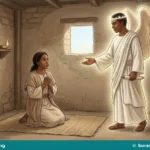
Inside the tomb, the women encountered angelic beings. Matthew describes one angel, while Mark mentions a young man dressed in a white robe sitting inside. Luke speaks of two men in dazzling clothes standing beside them. These heavenly messengers delivered the astonishing news: “He is not here; for he is risen, as he said.” They reminded the women of Jesus’ own predictions about His death and resurrection.
The Angelic Message and Commission
The angels instructed the women to go and tell Jesus’ disciples, especially Peter, that He had risen and would go ahead of them to Galilee, where they would see Him. This message was a command to spread the good news of the resurrection.
The women, filled with a mixture of fear and great joy, left the tomb quickly to deliver the message to the disciples. Mark’s account notes that the women were afraid and said nothing to anyone at first, though other gospel accounts show them eventually delivering the message.
Appearances of the Risen Jesus
After the discovery of the empty tomb and the angelic announcement, Jesus Himself appeared to His followers. Matthew’s gospel records Jesus appearing to the women as they were on their way to tell the disciples. He greeted them, and they worshipped Him, holding onto His feet. Jesus then reiterated the command for them to tell His brothers to go to Galilee, where they would see Him.
Luke’s gospel details Jesus’ appearance to two disciples on the road to Emmaus, where He explained the scriptures concerning Himself. Later, He appeared to the eleven disciples and others gathered in Jerusalem, showing them His hands and feet, and eating with them to prove He was not a ghost. He then opened their minds to understand the scriptures and commissioned them to preach repentance and forgiveness of sins to all nations, beginning in Jerusalem.
The synoptic accounts collectively establish the historical reality of the empty tomb and the appearances of the risen Jesus, providing foundational evidence for the resurrection.
The Role of Women in the Story of the Resurrection
Women played a crucial and prominent role in the resurrection narrative, acting as the first witnesses and messengers of this world-changing event. Their actions challenge the societal norms of their time, where women’s testimony was often not considered as credible as men’s.
The key roles of women include:
- Faithful Presence at the Tomb: While many of Jesus’ male disciples had scattered after His arrest and crucifixion, a group of women remained steadfast. They were present at the crucifixion and were the first to visit the tomb early on Sunday morning. The gospels name Mary Magdalene, Mary the mother of James, Salome, Joanna, and other women as those who went to the tomb with spices.
- First Witnesses to the Empty Tomb: These women were the first to discover that the tomb was empty and that the stone had been rolled away. Their direct observation provided the initial evidence of the resurrection.
- Recipients of the Angelic Message: The angels specifically appeared to these women, announcing that Jesus had risen. They were entrusted with the divine message of the resurrection.
- First Messengers of the Resurrection: The angels commanded the women to go and tell the disciples what they had seen and heard. Despite the initial disbelief of the male disciples, these women faithfully carried out their commission, becoming the first evangelists of the resurrection.
- First to See the Risen Jesus: In Matthew’s account, Jesus first appeared to these women as they were leaving the tomb to tell the disciples. This made them the first individuals to encounter the resurrected Christ, confirming the angelic message.
The prominent role of women in the resurrection story highlights their devotion to Jesus and their importance in the early Christian community. Their testimony, though initially doubted, became integral to the spread of the resurrection message.
Significance of the Resurrection to the Christian Faith
The resurrection of Jesus Christ is not merely a historical event; it is the cornerstone of Christian belief and has profound significance for every aspect of the Christian faith and the lives of believers. Without the resurrection, the Christian faith would be meaningless.
The significance of the resurrection includes:
- Proof of Jesus’ Divinity: The resurrection confirms that Jesus is truly the Son of God, as He claimed. It validates His teachings, miracles, and prophecies, proving that He is not just a prophet or a good teacher, but God incarnate.
- Victory Over Sin and Death: Through His death and resurrection, Jesus conquered sin and death. His resurrection demonstrates that death does not have the final word and that believers can have victory over sin’s power in their lives.
- Foundation of Christian Hope: The resurrection provides Christians with the hope of eternal life and a future resurrection. Just as Jesus was raised from the dead, believers are assured that they too will be raised to new life with Him.
- Justification and Forgiveness of Sins: Jesus’ resurrection is essential for the forgiveness of sins. His death paid the penalty for sin, but His resurrection signifies God’s acceptance of that sacrifice, making justification (being declared righteous before God) possible for those who believe.
- Empowerment for Christian Living: The resurrection is linked to the sending of the Holy Spirit, who empowers believers to live a new life in Christ. It provides the spiritual power to overcome temptation and live according to God’s will.
- Centrality of the Gospel Message: The resurrection is the core message of the gospel that Christians are called to preach. The Apostle Paul states in 1 Corinthians 15:14, “And if Christ be not risen, then is our preaching vain, and your faith is also vain.”
- Assurance of Future Judgment: The resurrection of Jesus also serves as an assurance that there will be a future judgment, where all people will stand before God. Jesus, as the resurrected Lord, is appointed as the judge.
- New Life and Transformation: For believers, the resurrection means a spiritual rebirth and a new identity in Christ. They are called to live a resurrected life, reflecting Jesus’ victory over sin and death in their daily conduct.
In summary, the resurrection is not just an event in history; it is a living reality that defines Christian identity, hope, and mission. It is the ultimate demonstration of God’s power and love, offering salvation and eternal life to all who believe.


0 comments
Open the discussion when you need it. Comments stay collapsed until requested so the initial article remains light.