



ARTICLE CONTENTSOn this page 5 sections
Reading poems, short stories and plays
Performance Objectives
By the end of the lesson, students should be able to:
- Read short poems with reasonable comprehension;
- Read short poems and identify figures of speech;
- Read short stories and plays and discuss characters, plots, settings, theme, etc.
Reading is an important skill that helps people learn new things, enjoy exciting stories, and understand different ideas. In English Studies, people learn to read and understand different types of texts, such as poems, short stories, and plays. Each of these has its own special way of telling a message or a story.
Reading Poems
A poem is a piece of writing that uses words to express feelings, ideas, or tell a story in a beautiful or imaginative way. Poems often have rhythm and sometimes rhyme.
When reading a poem, it is important to:
- Read slowly and carefully.
- Pay attention to the words and how they sound.
- Try to understand the feelings or ideas the poet is sharing.
- Look for words that create pictures in the mind.
Figures of Speech in Poems
Poets often use special ways of using words to make their writing more interesting and colourful. These special ways are called figures of speech. They help to create strong images and feelings.
Simile
A simile is a figure of speech that compares two different things using the words “like” or “as”. It helps to make descriptions more vivid.
Examples of similes include:
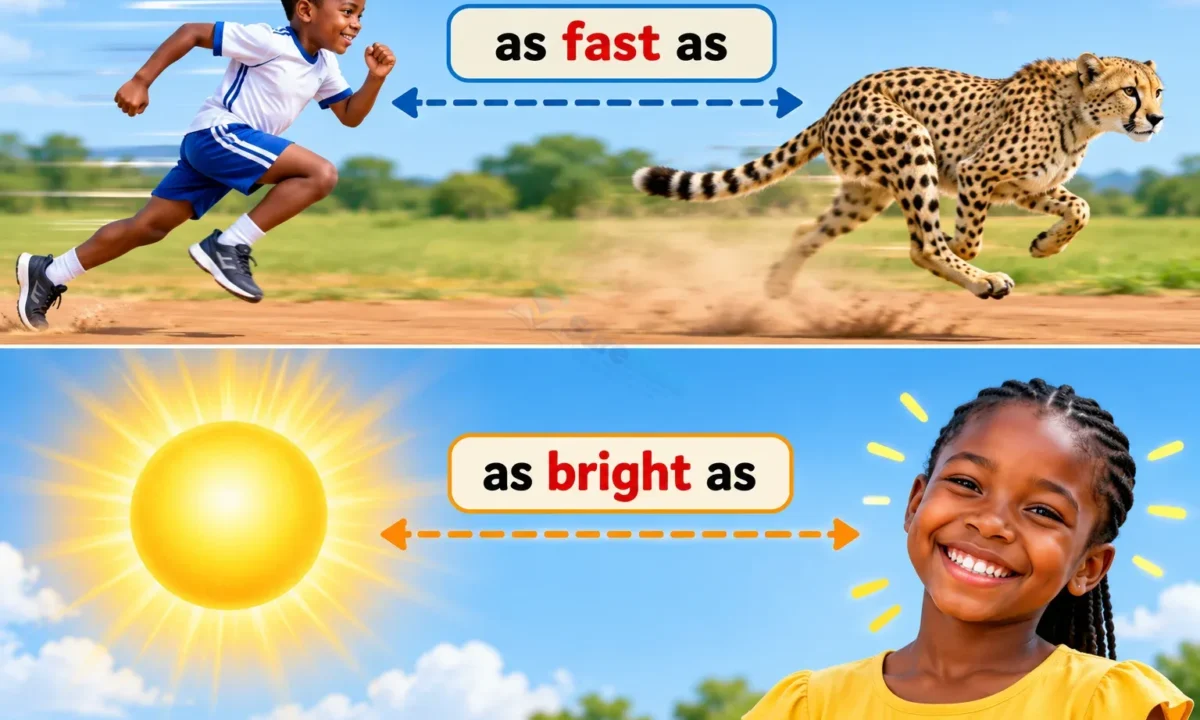
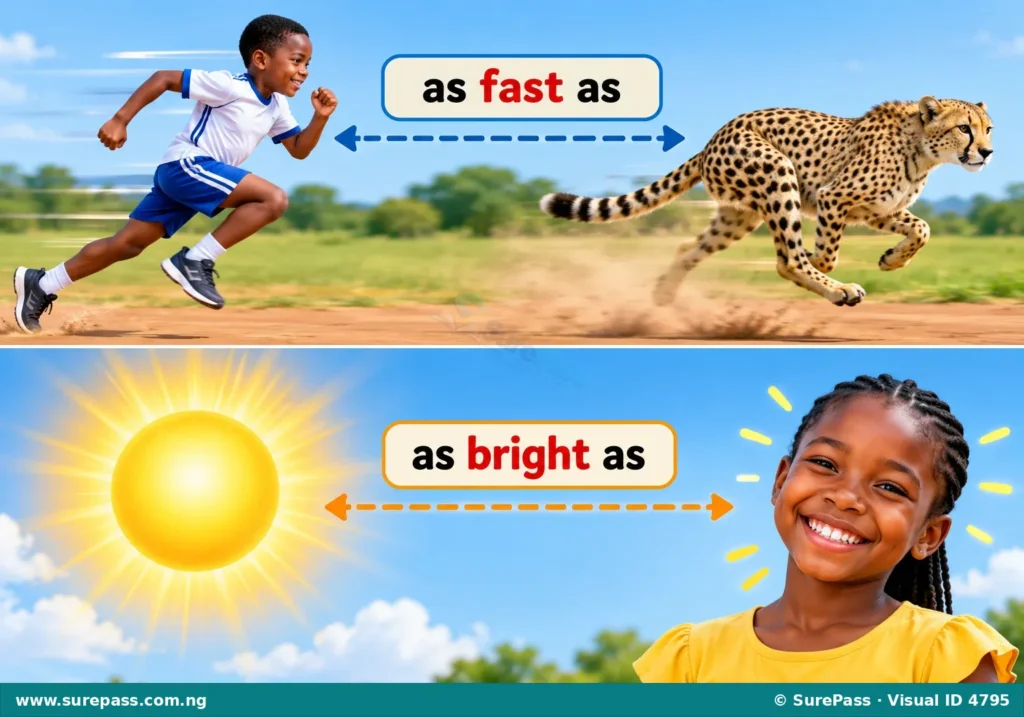
- The boy ran as fast as a cheetah. (Compares the boy’s speed to a cheetah’s speed)
- Her smile was as bright as the sun. (Compares her smile to the sun’s brightness)
- The cloud looked like a giant cotton ball. (Compares the cloud to a cotton ball)
Metaphor
A metaphor is a figure of speech that compares two different things by saying one thing is another. It does not use “like” or “as”. Metaphors create a stronger, more direct comparison.
Examples of metaphors include:
- The classroom was a zoo. (Compares the noisy classroom to a zoo)
- The teacher is a walking dictionary. (Compares the teacher’s knowledge to a dictionary)
- My brother is a lion when he is angry. (Compares the brother’s anger to a lion’s fierceness)
When reading poems, people can try to spot these figures of speech. They make the poem more exciting and help to understand the poet’s message better.
Reading Short Stories
A short story is a piece of writing that tells a fictional story in a short amount of time. It usually focuses on a few characters and a single main event.
When reading a short story, it is important to understand its main parts. These parts help to follow the story and understand its meaning.
Elements of a Short Story
Characters
Characters are the people, animals, or imaginary beings that take part in the story. They perform actions and speak dialogue.
To understand characters, people can ask:
- Who are the main characters?
- What do they look like?
- What do they say and do?
- What kind of personalities do they have (e.g., kind, brave, mischievous)?

Setting
The setting is the time and place where the story happens. It tells when and where the events of the story take place.
To understand the setting, people can ask:
- Where does the story happen (e.g., in a village, a school, a forest)?
- When does the story happen (e.g., in the morning, at night, a long time ago, today)?
- What does the place look like?

Plot
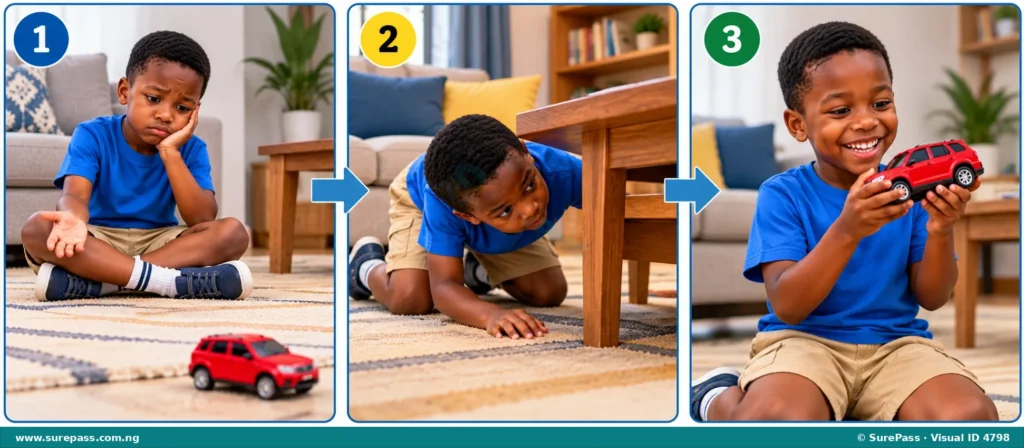
The plot is the sequence of events in a story. It is what happens from the beginning to the end. The plot usually involves a problem and how the characters try to solve it.
To understand the plot, people can ask:
- What happens first?
- What is the main problem or challenge?
- What do the characters do to solve the problem?
- How does the story end?
Theme
The theme is the main message or idea that the author wants to share with the reader. It is often a lesson learned or a truth about life.
To understand the theme, people can ask:
- What is the story really about?
- What lesson can be learned from the story?
- What message does the author want to give?
Common themes in children’s stories include bravery, kindness, honesty, friendship, and hard work.
Reading Plays
A play is a story written to be performed by actors on a stage. It is mostly told through dialogue (what characters say) and stage directions (instructions for actors and setting).
When reading a play, it is important to:
- Pay attention to the character names before each line of dialogue.
- Read the stage directions carefully, as they describe actions, feelings, and the setting.
- Imagine the characters speaking and moving on a stage.
Elements of a Play
Plays also have characters, setting, plot, and theme, just like short stories. However, they are presented in a special way for performance.
Characters in a Play
In a play, characters are listed at the beginning, sometimes with a short description. Their words and actions show who they are.
Example:
MAMA TUNDE: (Smiling warmly) Welcome home, my dear children!
TUNDE: (Excitedly) Mama, we are so hungry!
Setting in a Play
The setting of a play is usually described at the beginning of each scene or act. Stage directions tell what the stage should look like.
Example:
[SCENE: A busy market square in Lagos. Stalls are filled with colourful fabrics and fresh produce. People walk by, chatting loudly. It is a sunny afternoon.]
Plot in a Play
The plot of a play unfolds through the dialogue and actions of the characters. Each scene moves the story forward, often building up to a main event or problem.
Theme in a Play
The theme of a play is also the main message or lesson. It is revealed through what the characters say, do, and what happens to them throughout the performance.
By understanding these elements, people can enjoy and appreciate poems, short stories, and plays much better.



0 comments
Open the discussion when you need it. Comments stay collapsed until requested so the initial article remains light.