



ARTICLE CONTENTSOn this page 8 sections
Introduction to Digital Marketing and Branding
Performance Objectives
By the end of the lesson, students should be able to:
- explain the concept and importance of digital marketing;
- identify different types of digital advertisements and their purposes;
- describe major brand elements such as logo, color, and tone;
- identify major digital marketing channels (social media, email, web);
- Organize digital assets properly using the appropriate labels.
Meaning of Digital Marketing
Digital marketing refers to the use of electronic devices and the internet to promote products, services, or brands.
It involves various online strategies and channels to reach potential customers where they spend their time online. Unlike traditional marketing methods like billboards or newspaper ads, digital marketing allows businesses to connect with a global audience, track results, and interact directly with consumers.
Importance of Digital Marketing
Digital marketing is crucial in today’s world because it helps businesses and individuals connect with a wider audience, build relationships, and achieve their goals effectively. Many people spend a significant amount of time online, making digital platforms essential for reaching them.
The importance of digital marketing includes:
- Wider Reach: It allows businesses to reach customers beyond their local area, connecting with people across cities, states, and even countries.
- Cost-Effectiveness: Digital marketing can be more affordable than traditional advertising, especially for small businesses, as it offers various options to suit different budgets.
- Measurable Results: Digital tools allow businesses to track how well their marketing efforts are performing. They can see how many people saw an ad, clicked on a link, or made a purchase.
- Targeted Audience: Digital marketing enables businesses to target specific groups of people based on their interests, age, location, and online behaviour, making their messages more relevant.
- Customer Engagement: It provides opportunities for direct interaction with customers through comments, messages, and reviews, helping to build trust and loyalty.
- Increased Visibility: Having an online presence through websites, social media, and search engines makes a business more visible and easier for potential customers to find.
Major Digital Marketing Channels
Digital marketing channels are the various platforms and methods used to deliver marketing messages online. These channels help businesses communicate with their target audience and promote their offerings.
The major digital marketing channels include:
- Social Media: This involves using social networking sites to connect with customers, share content, and promote products or services.
- Email: This channel uses electronic mail to send messages directly to a list of subscribers, often for promotions, newsletters, or updates.
- Websites: A business website serves as a central online hub where customers can find information, browse products, and make purchases.
Social Media Marketing
Social media marketing uses social media platforms to promote products or services. Businesses create profiles, share engaging content, run advertisements, and interact with their followers.
Examples of social media platforms commonly used for marketing include:
- Twitter (now X)
- TikTok
Businesses use social media to build brand awareness, drive website traffic, generate leads, and engage with their community. They might post pictures of new products, share customer testimonials, or run contests to attract attention.
Email Marketing
Email marketing involves sending commercial messages to a group of people using email. It is a direct way to communicate with customers who have shown interest in a business.
Businesses use email marketing for various purposes, such as:
- Sending newsletters with updates and news.
- Announcing new products or services.
- Offering special discounts and promotions.
- Sending reminders about abandoned shopping carts.
- Providing customer support and important information.
Email marketing helps maintain customer relationships and encourages repeat purchases.
Website Marketing
Website marketing focuses on driving traffic to a company’s website and converting visitors into customers. The website acts as the online storefront or information centre for the business.
Key aspects of website marketing include:
- Search Engine Optimization (SEO): Making the website appear higher in search engine results (like Google) when people search for related products or services.
- Content Marketing: Creating valuable and relevant content (like blog posts, articles, or videos) on the website to attract and engage visitors.
- User Experience (UX): Ensuring the website is easy to navigate, visually appealing, and provides a smooth experience for visitors.
A well-designed and optimised website is essential for any business operating in the digital space.
Types of Online Advertisements
Online advertisements are promotional messages displayed on the internet to attract potential customers. They come in various forms and appear on different platforms.
The main types of online advertisements are:
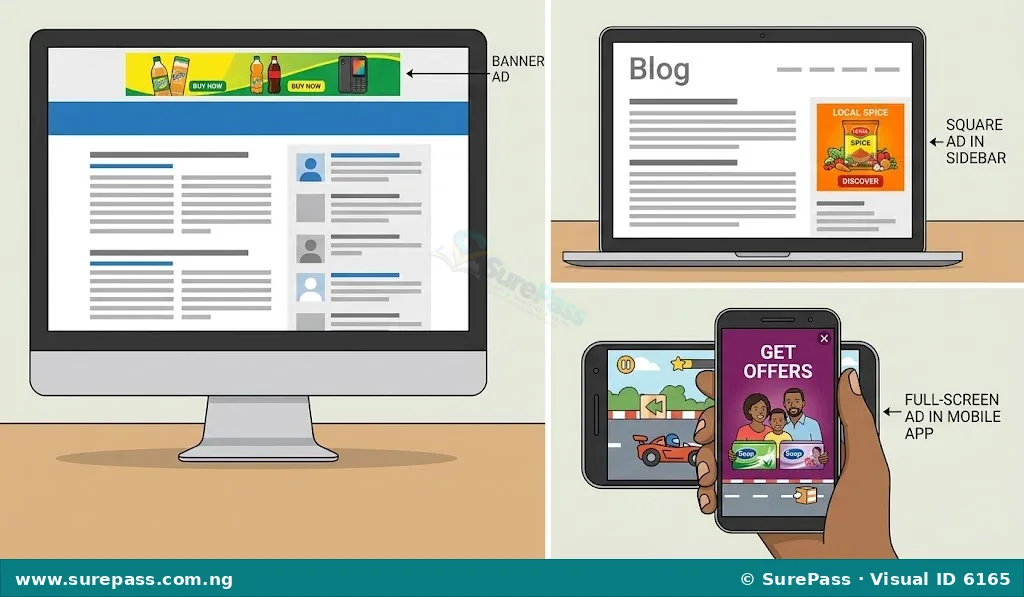
- Display Ads: These are visual advertisements, such as images or banners, that appear on websites, apps, and social media platforms.
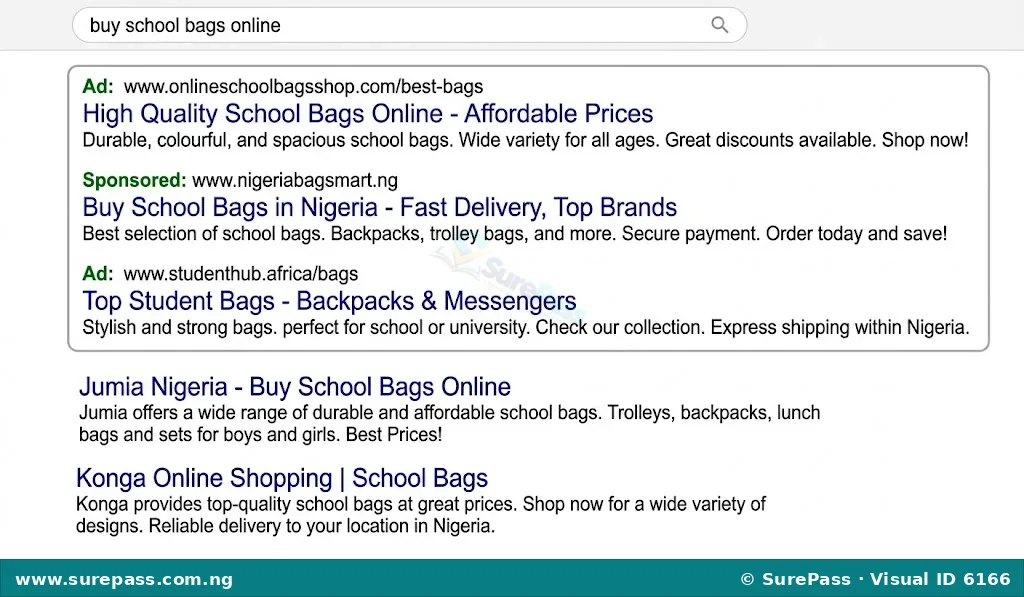
- Search Ads: These are text-based advertisements that appear on search engine results pages (SERPs) when users search for specific keywords.
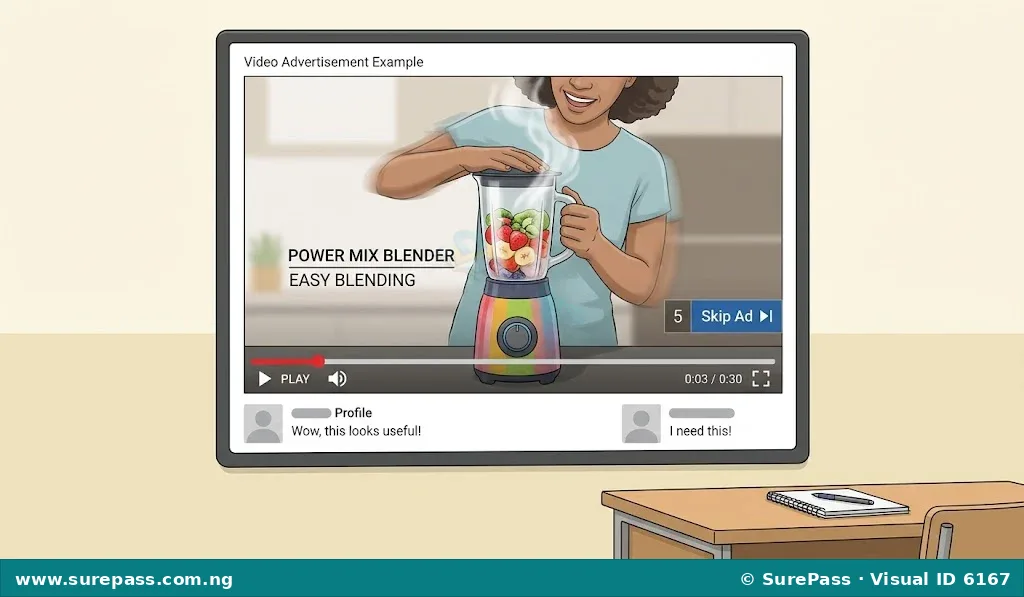
- Video Ads: These are short video clips that play before, during, or after other video content, or as standalone ads on various platforms.
Display Advertisements
Display ads are graphical advertisements that use images, animations, or short videos to capture attention. They are often seen as banners on websites, within mobile apps, or on social media feeds.
The purpose of display ads is to create brand awareness and encourage users to click on them to visit a website or learn more about a product. They are effective for visual storytelling and reaching a broad audience across many different websites.
Search Advertisements
Search ads, also known as paid search or pay-per-click (PPC) ads, are text-based advertisements that appear at the top or bottom of search engine results pages. These ads are triggered by specific keywords that users type into search engines like Google or Bing.
The purpose of search ads is to reach users who are actively looking for specific products or services. When a user searches for “best smartphones in Lagos,” an ad for a phone retailer might appear at the top of the results, directly addressing their need.
Video Advertisements
Video ads are short promotional videos that are shown on video platforms (like YouTube), social media, or other websites. They can be skippable or non-skippable and vary in length, typically from 6 seconds to 30 seconds.
The purpose of video ads is to engage viewers with dynamic content, tell a story, and demonstrate products or services in an engaging way. They are highly effective for capturing attention and conveying complex messages quickly.
Key Elements of Branding
Branding is the process of creating a unique name, image, and identity for a product or company. It helps customers recognise and remember a business and its offerings.
Effective branding makes a business stand out from its competitors and builds trust with its audience. The key elements that contribute to a strong brand identity include:
- Logo: A unique symbol or design that represents the brand.
- Color: Specific colours used consistently to evoke certain emotions and associations.
- Tagline: A short, memorable phrase that captures the essence of the brand.
- Tone: The overall style and attitude of the brand’s communication.
Logo
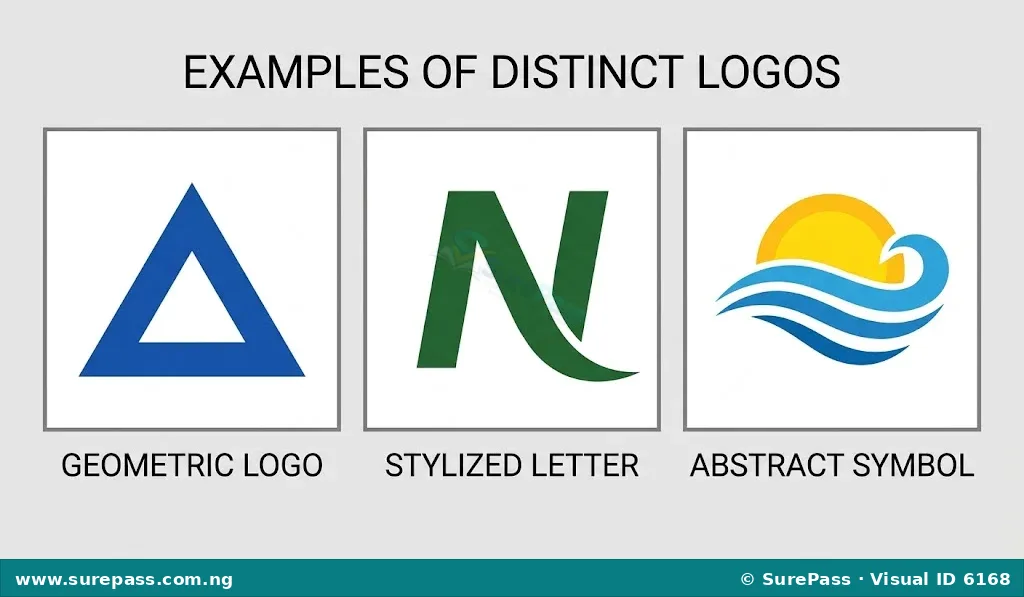
A logo is a visual mark, symbol, or emblem used to identify a company, product, or brand. It is often the first thing people associate with a business.
The purpose of a logo is to create instant recognition and convey the brand’s identity without words. A well-designed logo is simple, memorable, versatile, and timeless. Think of popular brands like Nike (the swoosh) or Apple (the bitten apple); their logos are instantly recognisable worldwide.
Color
Color plays a significant role in branding by evoking emotions and creating associations with a brand. Different colours can communicate different messages and feelings.
For example, blue often represents trust and reliability, red can signify energy and passion, while green is associated with nature and freshness. Brands carefully select their primary and secondary colours to align with their values and appeal to their target audience. Consistent use of these colours across all marketing materials helps reinforce brand identity.
Tagline
A tagline is a short, memorable phrase or sentence that summarises the brand’s mission, value, or unique selling proposition. It often appears alongside the logo or brand name.
The purpose of a tagline is to make the brand more memorable and to communicate its core message quickly. For instance, a popular sports brand might use a tagline like “Just Do It,” which inspires action and determination. A good tagline is concise, catchy, and relevant to the brand’s offerings.
Tone
The tone of a brand refers to the overall personality and style of its communication, whether in written text, spoken words, or visual presentation. It reflects how the brand speaks to its audience.
A brand’s tone can be formal, informal, humorous, serious, friendly, authoritative, or inspiring. For example, a bank might adopt a formal and trustworthy tone, while a youth fashion brand might use a playful and energetic tone. Consistency in tone across all channels helps build a clear and recognisable brand personality.
Organization of Digital Assets
Digital assets are any electronic files that a business uses for its marketing and branding efforts. These can include logos, images, videos, ad copies, website content, and email templates.
Proper organisation of digital assets is essential for several reasons:
- Easy Access: It makes it easy to find specific files quickly when needed.
- Efficiency: Saves time and effort by avoiding searching through unorganised folders.
- Consistency: Ensures that the correct and most up-to-date versions of brand elements are always used.
- Collaboration: Makes it easier for teams to share and work on files together.
- Backup and Security: Organised files are easier to back up and protect from loss.
Organising digital assets typically involves creating a logical folder structure and using clear, descriptive file names.
How to Organize Digital Assets
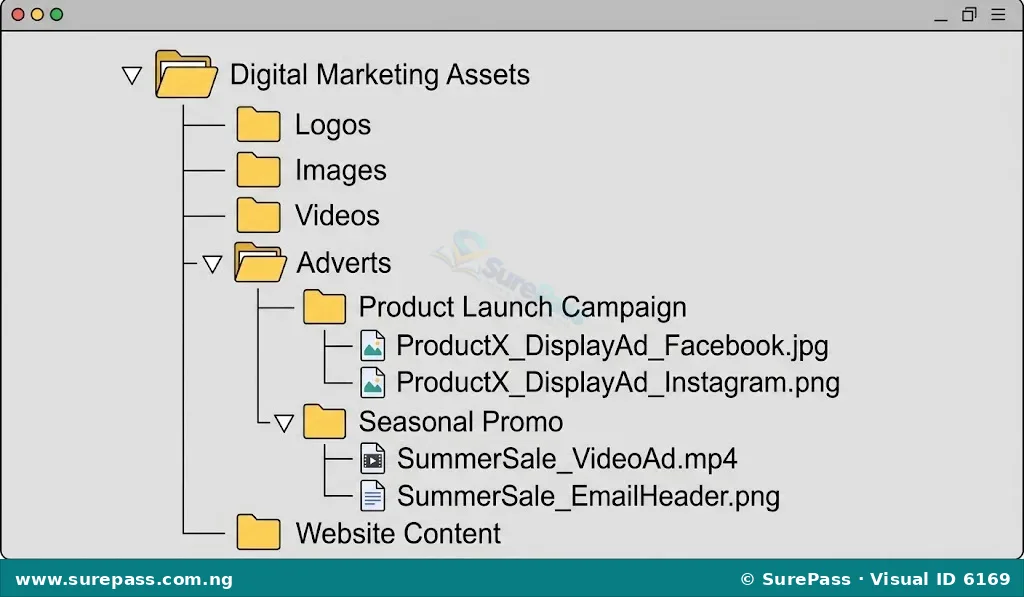
Organising digital assets properly helps to keep all branding and marketing materials in order. This skill involves creating a clear structure for your files and naming them consistently.
The procedure involves the following steps:
- Create a Main Folder: Start by creating a main folder for all your digital marketing and branding assets. You might name it “Digital Marketing Assets” or “Brand Resources.”
- Create Subfolders for Categories: Inside the main folder, create subfolders for different types of assets. Common subfolders include:
- “Logos”
- “Images”
- “Videos”
- “Adverts”
- “Website Content”
- “Email Templates”
- Create Subfolders for Projects or Campaigns: Within the “Adverts” or “Images” folders, you might create further subfolders for specific marketing campaigns or projects. For example, “Adverts/Product Launch Campaign 2024.”
- Use Descriptive File Names: Give each file a clear and descriptive name that indicates its content, version, and date. Avoid generic names like “image1.jpg” or “document.docx.”
- Good example: “CompanyLogo_Primary_CMYK_2024.png”
- Good example: “ProductX_DisplayAd_Facebook_SummerSale.jpg”
- Good example: “EmailNewsletter_August_2024_Final.html”
- Include Version Control: If you have multiple versions of a file, include version numbers or dates in the file name (e.g., “Logo_v1.png,” “Logo_v2_final.png”).
- Regularly Review and Clean Up: Periodically go through your folders to delete old, unused, or duplicate files. This keeps your asset library tidy and efficient.


0 comments
Open the discussion when you need it. Comments stay collapsed until requested so the initial article remains light.