


ARTICLE CONTENTSOn this page 9 sections
Intellectual Property
Performance Objectives
By the end of the lesson, students should be able to:
- explain intellectual property;
- state ways to demonstrate respect for intellectual property;
- state the benefits of respecting intellectual property;
- explain plagiarism;
- describe the consequences of plagiarism and unauthorised use of other people’s contents.
Meaning of Intellectual Property
Intellectual property refers to creations of the mind, such as inventions, literary and artistic works, designs, symbols, names and images used in commerce.
Just as physical property, such as a house, a bicycle or a plot of land, belongs to an owner, creations of the mind also have legal owners. In the digital world, intellectual property includes digital photographs, music files, videos, software code, website designs and online articles. The creators of these works spend time, effort and resources to produce them, and the law protects their ownership rights.
Two common types of intellectual property are copyrights and trademarks.
Copyright
Copyright is a legal right that protects original works of authorship, such as books, music, paintings, photos and computer programs, from being copied without permission.
When a musician in Nigeria records a song, or an author writes a textbook, copyright law automatically protects that work. This means other people cannot legally copy, distribute, perform or sell the work without the creator’s permission. On digital platforms, copyright protection applies to blog posts, digital art, YouTube videos and software applications.
Trademark
A trademark is a recognizable sign, design or expression which identifies products or services of a particular source and distinguishes them from others.
Trademarks are used by businesses to protect their brand identity. Examples include the names, logos and slogans of technology companies, telecommunications networks and local businesses. A trademark prevents competitors from using a similar logo or name that could confuse customers.
Respecting Intellectual Property
Respecting intellectual property is a key part of online safety and digital citizenship. It ensures that creators are acknowledged for their hard work and that digital resources are used ethically.
The primary ways to demonstrate respect for intellectual property include:
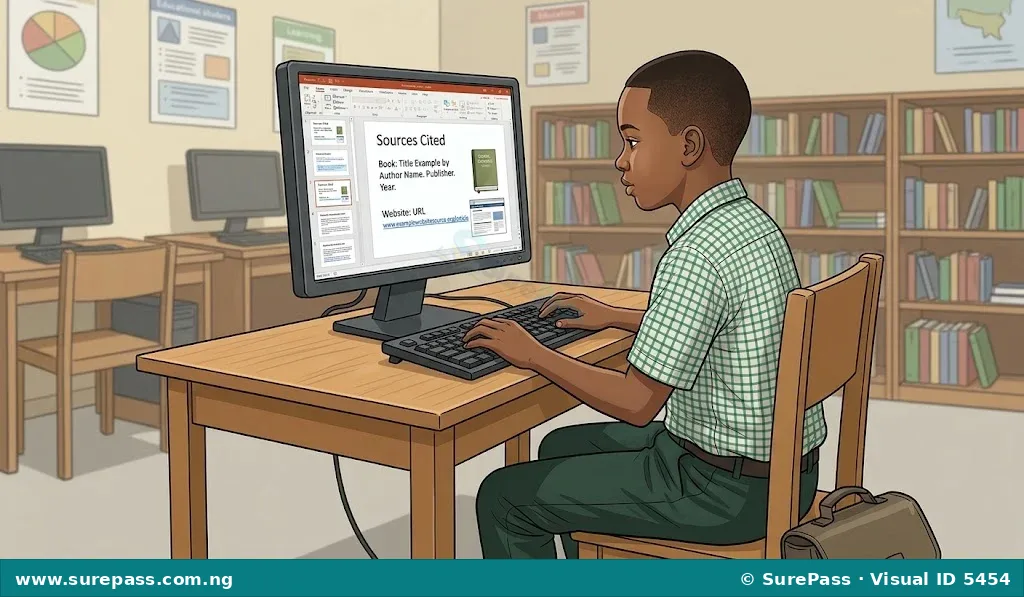
- Citing sources when using someone else’s work: This involves clearly stating where information, images or ideas were found when writing a school report or creating a digital presentation.
- Giving credit to original content owners: This means naming the creator of a photograph, video, song or article when sharing or using their work on digital platforms.
- Not using other people’s work without permission: This involves obtaining consent from the creator before downloading, modifying, distributing or publishing their work, especially for public or commercial purposes.
Benefits of Respecting Intellectual Property
Respecting the creations of others contributes to a safe, fair and productive digital environment.
The main benefits of respecting intellectual property are:
- Encouraging creativity and innovation: When creators know their work is protected and respected, they are motivated to invest time and money into developing new software, music, books and technologies.
- Promoting fairness and honesty: Giving credit ensures that the individuals who did the actual work receive the recognition and financial reward they deserve.
- Avoiding legal issues: Respecting intellectual property protects individuals, schools and businesses from lawsuits, financial fines and other legal penalties associated with copyright infringement.
- Building trust and credibility: Students and professionals who respect intellectual property build a strong reputation for honesty and academic integrity.
Meaning of Plagiarism
Plagiarism is the practice of taking someone else’s work or ideas and passing them off as one’s own.
Plagiarism is a form of academic and intellectual dishonesty. Examples of plagiarism include copying text directly from a website and pasting it into a school assignment without using quotation marks or naming the author, presenting a classmate’s project as one’s own, or downloading a digital drawing and claiming to have drawn it.
Consequences of Plagiarism and Unauthorised Use
Using other people’s content without permission or claiming their work as original has serious negative outcomes.
The consequences of plagiarism and the unauthorised use of other people’s content include:
- Academic penalties: Students caught plagiarizing may receive a failing grade of zero for the assignment, fail the entire course, or face suspension or expulsion from school.
- Damage to reputation: A person who plagiarizes loses the trust of teachers, classmates, parents and future employers. Once lost, academic and professional trust is very difficult to rebuild.
- Legal consequences: Unauthorised use of copyrighted material can lead to legal action by the owner. This can result in court cases and heavy financial fines for the offender.
- Loss of digital accounts: Online platforms, such as video-sharing websites, social media networks and website hosts, often suspend or permanently delete accounts that repeatedly upload copyrighted content without permission.


0 comments
Open the discussion when you need it. Comments stay collapsed until requested so the initial article remains light.