


ARTICLE CONTENTSOn this page 6 sections
Meaning, Types and Uses of Books of Prime Entry
Performance Objectives
By the end of the lesson, students should be able to:
- state the meaning of books of prime entry;
- explain the purpose and uses of books of prime entry;
- Identify various books of prime entry;
- accurately record transactions in appropriate books of prime entry.
Meaning of Books of Prime Entry
Books of prime entry, also known as subsidiary books or journals, are the first books in which business transactions are recorded.
When a business transaction occurs, such as a sale of goods or a purchase of supplies, the details are first written down in a book of prime entry. This initial recording captures the essential information about the transaction before it is transferred to the main ledger accounts. These books serve as a chronological record of all transactions.
Purpose and Uses of Books of Prime Entry
Books of prime entry play a crucial role in the accounting system of any business. Their main purposes and uses include:
- Initial Recording of Transactions: They provide the first place to record every business transaction as it happens. This ensures that no transaction is missed.
- Chronological Record: Transactions are recorded in the order they occur (by date). This creates a clear timeline of all business activities.
- Detailed Information: Each entry in a book of prime entry contains important details such as the date, description of the transaction, names of parties involved, and the amount. This detailed record helps in understanding the nature of each transaction.
- Specialisation of Records: Different types of transactions are grouped into separate books. For example, all credit sales go into the sales journal, and all cash transactions go into the cash book. This specialisation makes recording more efficient and easier to manage.
- Basis for Ledger Posting: The totals and individual entries from the books of prime entry are later transferred (posted) to the appropriate accounts in the ledger. This process ensures that the ledger accounts are updated correctly.
- Error Detection: Having a detailed, chronological record in books of prime entry makes it easier to trace and identify errors if they occur during the accounting process.
- Internal Control: They help in maintaining better control over business operations by providing a clear audit trail for every transaction.
Types of Books of Prime Entry
Businesses use different books of prime entry to record various types of transactions. The specific books used depend on the nature and volume of transactions a business handles. Common types of books of prime entry include:
- Cash Book
- Sales Journal (or Sales Day Book)
- Purchases Journal (or Purchases Day Book)
- Sales Returns Journal (or Returns Inwards Book)
- Purchases Returns Journal (or Returns Outwards Book)
Cash Book
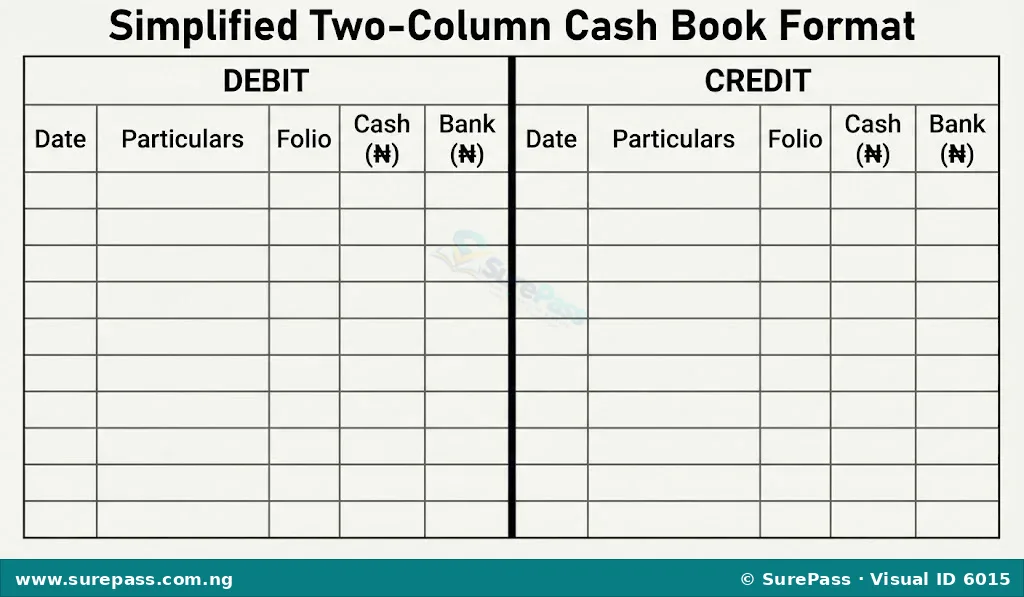
The cash book is used to record all transactions involving cash receipts and cash payments. It is unique because it serves as both a book of prime entry and a ledger account for cash and bank transactions. This means that entries from the cash book are not usually posted to separate cash and bank accounts in the general ledger.
Cash receipts are recorded on the debit (left) side, and cash payments are recorded on the credit (right) side.
Sales Journal (Sales Day Book)
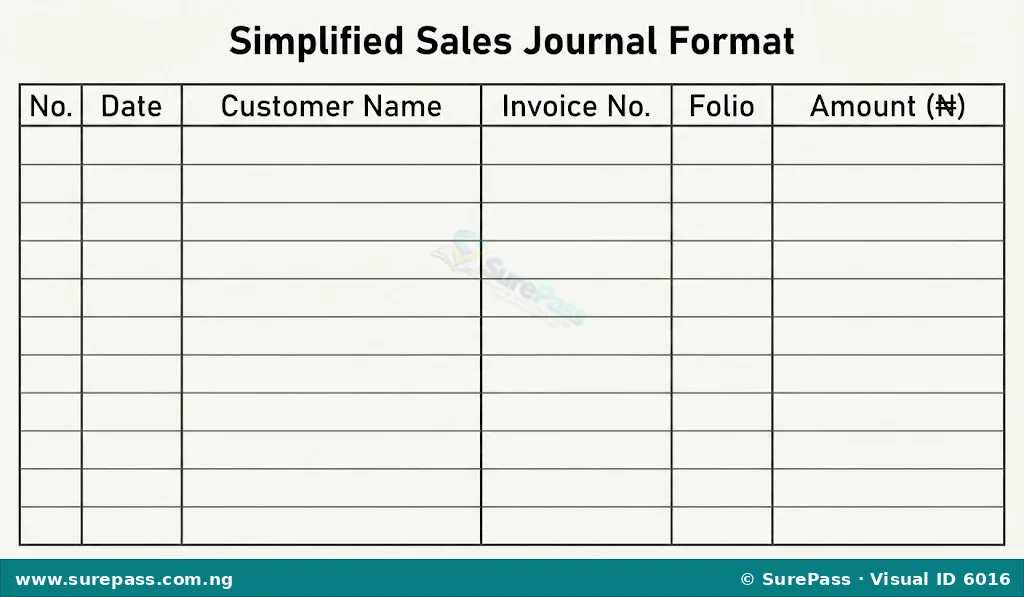
The sales journal is used to record all goods sold on credit. When a business sells goods to a customer and allows them to pay later, this is a credit sale. Cash sales are not recorded in the sales journal; they are recorded in the cash book.
Information recorded includes the date of sale, the name of the customer, the invoice number, and the amount of the sale.
Purchases Journal (Purchases Day Book)
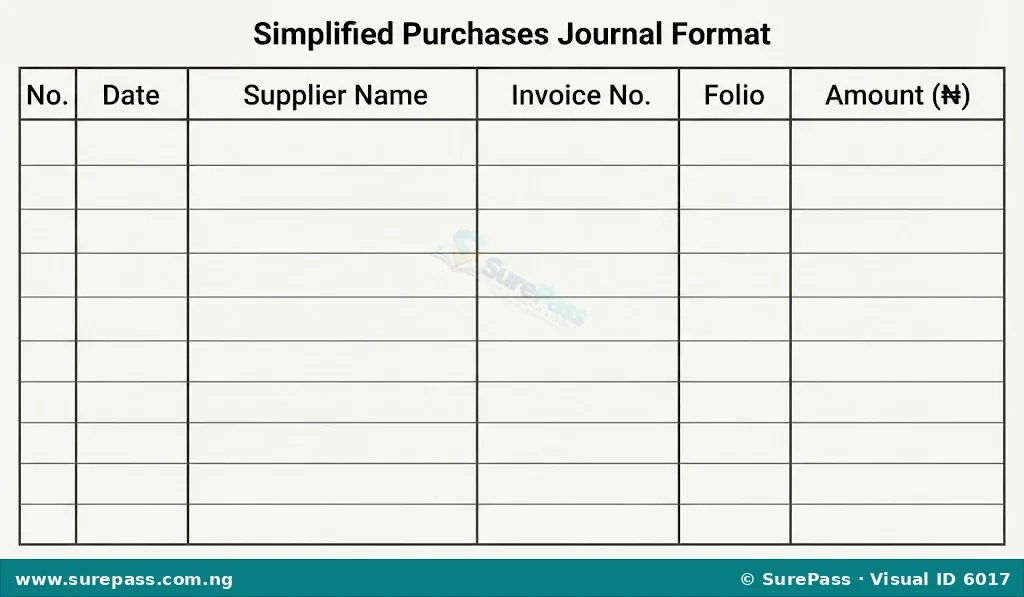
The purchases journal is used to record all goods bought on credit. When a business buys goods from a supplier and agrees to pay later, this is a credit purchase. Cash purchases are not recorded in the purchases journal; they are recorded in the cash book.
Information recorded includes the date of purchase, the name of the supplier, the invoice number received from the supplier, and the amount of the purchase.
Sales Returns Journal (Returns Inwards Book)
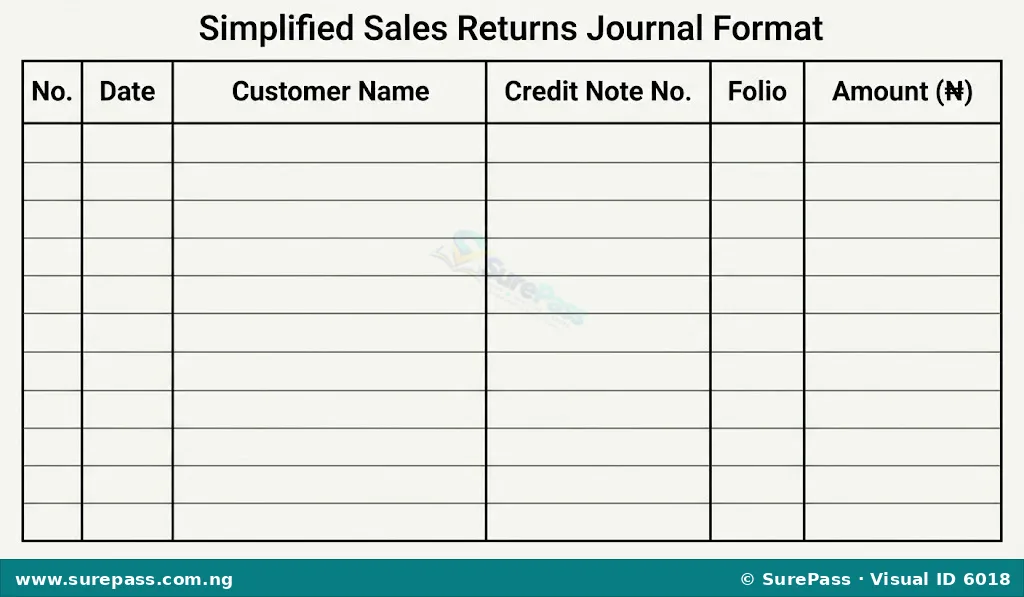
The sales returns journal is used to record goods returned by customers. When a customer returns goods they previously bought on credit, the details are recorded in this book. This reduces the amount the customer owes the business.
Information recorded includes the date of return, the name of the customer, the credit note number issued to the customer, and the amount of the goods returned.
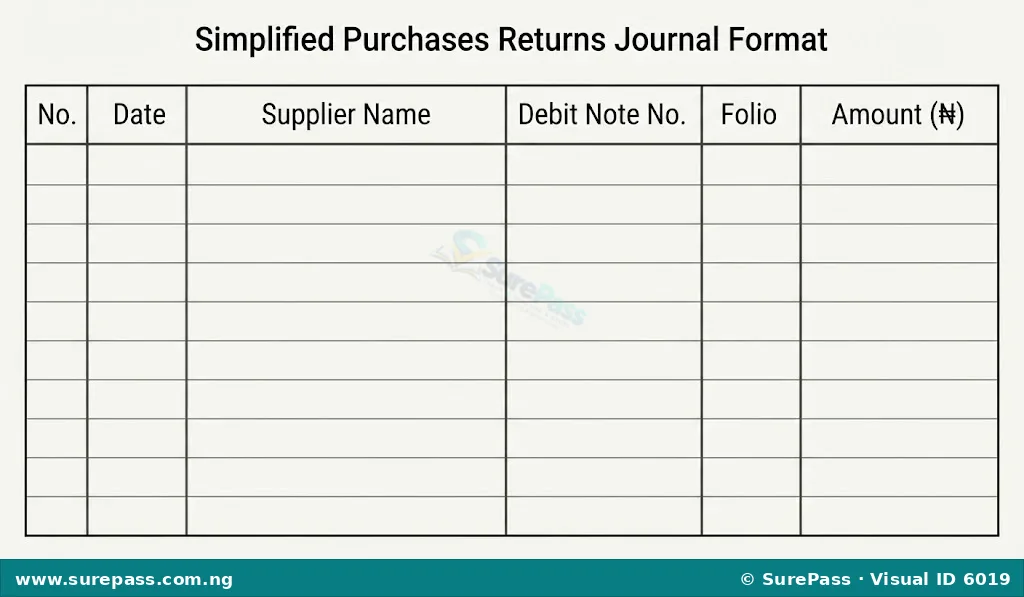
Purchases Returns Journal (Returns Outwards Book)
The purchases returns journal is used to record goods returned to suppliers. When a business returns goods to a supplier that it previously bought on credit, the details are recorded in this book. This reduces the amount the business owes the supplier.
Information recorded includes the date of return, the name of the supplier, the debit note number issued to the supplier, and the amount of the goods returned.
Recording Transactions in Books of Prime Entry
Accurately recording transactions in the appropriate books of prime entry is a fundamental skill in accounting. It involves identifying the type of transaction and then entering its details into the correct book.
Example Transactions
Consider the following transactions for a business, “Grace Stores”, for the month of January 2024:
- Jan 1: Started business with cash in hand ₦50,000 and cash at bank ₦150,000.
- Jan 3: Bought goods on credit from Bola Enterprises ₦25,000 (Invoice No. BE001).
- Jan 5: Sold goods on credit to Chika Stores ₦18,000 (Invoice No. GS001).
- Jan 8: Paid rent by bank transfer ₦10,000.
- Jan 10: Cash sales for the day ₦7,000.
- Jan 12: Chika Stores returned goods worth ₦2,000 (Credit Note No. CN001).
- Jan 15: Returned goods to Bola Enterprises worth ₦3,000 (Debit Note No. DN001).
- Jan 18: Bought office furniture on credit from Furniture World ₦30,000 (Invoice No. FW005).
- Jan 20: Received cash from Chika Stores ₦16,000.
- Jan 25: Paid Bola Enterprises by bank transfer ₦22,000.
Recording in the Cash Book
The cash book records all cash and bank transactions. Remember, cash receipts are debited, and cash payments are credited.
Grace Stores
Cash Book
| Date | Particulars | Folio | Cash (₦) | Bank (₦) | Date | Particulars | Folio | Cash (₦) | Bank (₦) |
|---|---|---|---|---|---|---|---|---|---|
| 2024 Jan 1 | Capital | 50,000 | 150,000 | 2024 Jan 8 | Rent | 10,000 | |||
| Jan 10 | Sales | 7,000 | Jan 25 | Bola Enterprises | 22,000 | ||||
| Jan 20 | Chika Stores | 16,000 |
Recording in the Sales Journal
The sales journal records only credit sales of goods.
Grace Stores
Sales Journal
| Date | Customer Name | Invoice No. | Folio | Amount (₦) |
|---|---|---|---|---|
| 2024 Jan 5 | Chika Stores | GS001 | 18,000 |
Recording in the Purchases Journal
The purchases journal records only credit purchases of goods. Note that the purchase of office furniture on Jan 18 is not recorded here because it is an asset, not goods for resale. It would be recorded in the General Journal (which is a book of prime entry for transactions not fitting into other specialised journals, but not covered in detail at this SS1 stage).
Grace Stores
Purchases Journal
| Date | Supplier Name | Invoice No. | Folio | Amount (₦) |
|---|---|---|---|---|
| 2024 Jan 3 | Bola Enterprises | BE001 | 25,000 |
Recording in the Sales Returns Journal
The sales returns journal records goods returned by customers.
Grace Stores
Sales Returns Journal
| Date | Customer Name | Credit Note No. | Folio | Amount (₦) |
|---|---|---|---|---|
| 2024 Jan 12 | Chika Stores | CN001 | 2,000 |
Recording in the Purchases Returns Journal
The purchases returns journal records goods returned to suppliers.
Grace Stores
Purchases Returns Journal
| Date | Supplier Name | Debit Note No. | Folio | Amount (₦) |
|---|---|---|---|---|
| 2024 Jan 15 | Bola Enterprises | DN001 | 3,000 |

0 comments
Open the discussion when you need it. Comments stay collapsed until requested so the initial article remains light.