


ARTICLE CONTENTSOn this page 6 sections
Entrepreneurial Awareness and Entrepreneurship
Performance Objectives
By the end of the lesson, students should be able to:
- differentiate between entrepreneur; entrepreneurship enterprise;
- discuss the qualities of good garment designer;
- state the importance of entrepreneurship.
Meaning of Entrepreneur, Entrepreneurship and Enterprise
In the study of fashion design and garment making, understanding business concepts is essential. Many garment designers do not just work as employees; they often start and run their own fashion businesses. To understand how these businesses operate, three key terms must be defined and distinguished: the entrepreneur, entrepreneurship, and the enterprise.
Who is an Entrepreneur?
An entrepreneur is an individual who identifies a business opportunity, mobilizes resources, and takes the financial risks to start and manage a business venture with the aim of making a profit.
In the fashion industry, an entrepreneur is the creative individual who notices a demand for a specific style of clothing, buys fabrics and sewing equipment, hires tailors, and sets up a fashion home to satisfy that demand.
What is Entrepreneurship?
Entrepreneurship is the process of identifying, launching, and running a new business venture, which involves organizing resources, taking risks, and innovating to meet market needs.
This is the actual practice of business creation. It includes the daily activities of designing garments, sourcing quality fabrics, marketing the fashion brand, managing finances, and handling the risks associated with changing fashion trends.
What is an Enterprise?
An enterprise is the actual business organization, company, or venture created and managed by an entrepreneur to provide goods or services.
In garment making, the enterprise is the physical or online fashion house, tailoring workshop, or clothing brand. It is the legal and operational structure through which the entrepreneur conducts business.
Differentiating Between Entrepreneur, Entrepreneurship, and Enterprise
While these three terms are closely related, they represent different aspects of business. The key differences between these three concepts are summarized below:
| Feature | Entrepreneur | Entrepreneurship | Enterprise |
|---|---|---|---|
| Nature | The Person (The Actor) | The Process (The Action) | The Entity (The Outcome) |
| Role | Identifies opportunities, takes risks, and makes decisions. | The act of planning, organizing, and running the business. | The physical or legal business structure that provides goods or services. |
| Example in Fashion | The fashion designer or master tailor who starts the business. | The process of designing, sewing, marketing, and managing the fashion brand. | The fashion house, boutique, or tailoring workshop. |
Qualities of a Good Garment Designer
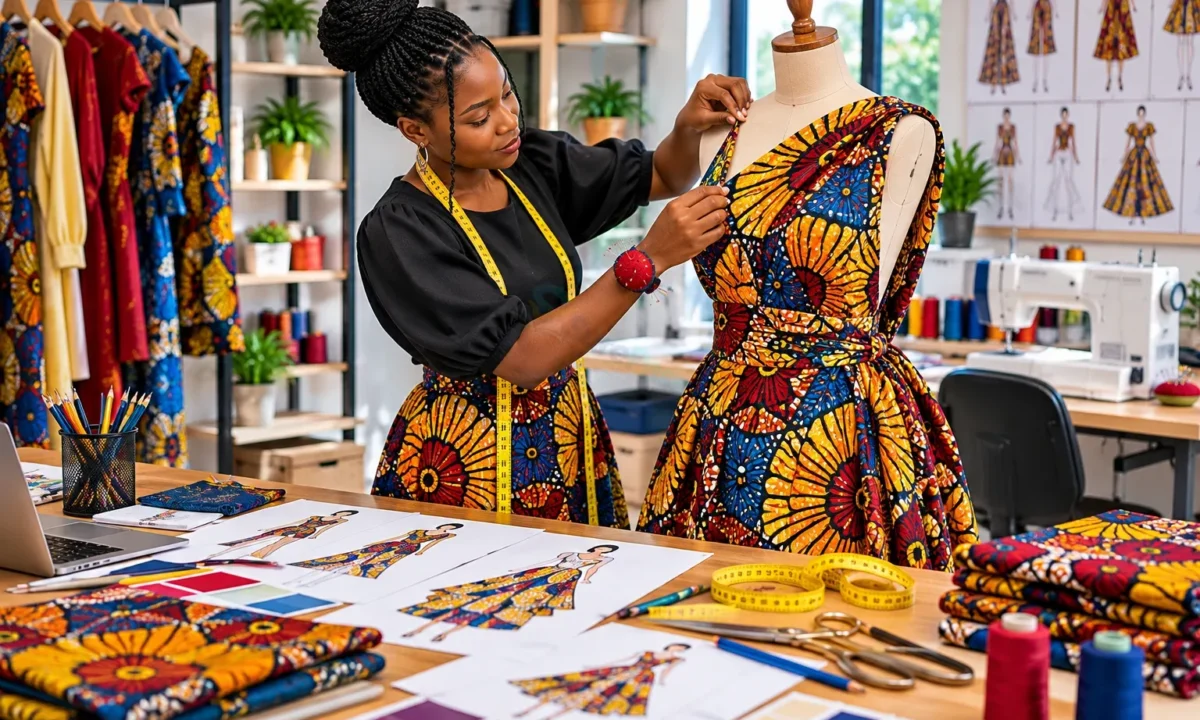
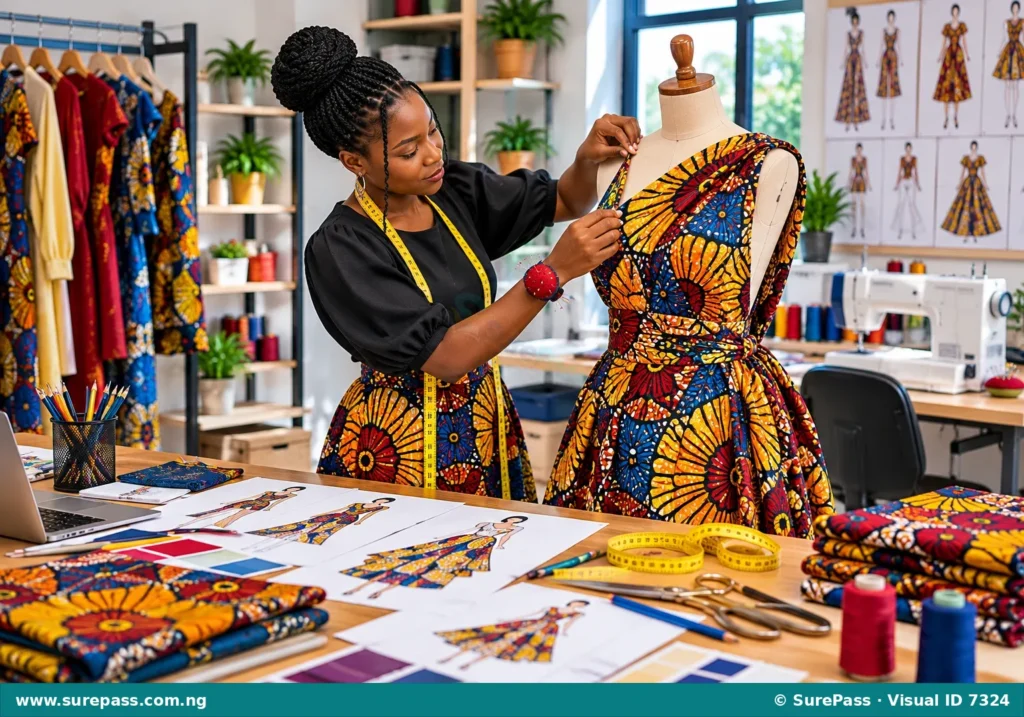
A garment designer is a professional who creates designs for clothing, selects fabrics, and oversees the production of garments. To succeed as an entrepreneur in the fashion industry, a garment designer must possess a combination of creative, technical, and business qualities.
A successful garment designer must possess several essential qualities:
- Creativity and Innovation: The ability to generate original ideas, combine colors beautifully, and create unique styles that stand out in the market.
- Attention to Detail: Precision in taking measurements, cutting fabrics, stitching, and finishing garments. A small error in measurement can ruin an entire outfit.
- Technical Skill: Strong knowledge of pattern drafting, fabric properties, sewing machine operations, and garment construction techniques.
- Good Communication Skills: The ability to listen carefully to clients, understand their style preferences, and explain design ideas clearly.
- Business Acumen: Understanding how to price garments, calculate production costs, manage expenses, and market fashion services to make a profit.
- Time Management and Reliability: Delivering garments to clients on or before the agreed deadline, especially during festive seasons such as Eid, Christmas, or weddings.
- Resilience and Problem-Solving: The ability to handle challenges, such as fabric defects, power outages, or difficult clients, with patience and professionalism.
Importance of Entrepreneurship
Entrepreneurship plays a vital role in the development of the fashion industry and the growth of the national economy. By encouraging individuals to start their own businesses, entrepreneurship drives progress and improves livelihoods.
The importance of entrepreneurship in the fashion industry and the wider economy includes:
- Job Creation: Fashion enterprises employ tailors, pattern cutters, models, marketers, and administrative staff, which helps to reduce unemployment in the country.
- Wealth Creation and Economic Growth: Fashion businesses generate income for owners and workers, pay taxes to the government, and contribute to the Gross Domestic Product (GDP).
- Promotion of Local Culture: Fashion entrepreneurs utilize local fabrics such as Ankara, Adire, and Aso-Oke to create modern designs, promoting Nigerian heritage both locally and internationally.
- Self-Reliance and Empowerment: Entrepreneurship enables individuals, particularly youth and women, to acquire skills, earn an independent income, and become self-reliant.
- Innovation and Competition: The presence of many fashion entrepreneurs leads to healthy competition, which drives the creation of better designs, improved garment quality, and more affordable prices for consumers.
- Skill Acquisition: Fashion enterprises serve as training centers where apprentices learn the trade of garment making, preserving the craft for future generations.
Summary
Entrepreneurship in garment making bridges the gap between creative design and business management. An entrepreneur is the person who takes the risk, entrepreneurship is the process of running the business, and the enterprise is the fashion house itself. By developing key qualities such as creativity, technical skill, and time management, a garment designer can build a successful enterprise that creates jobs, promotes local culture, and contributes to economic growth.




0 comments
Open the discussion when you need it. Comments stay collapsed until requested so the initial article remains light.