



ARTICLE CONTENTSOn this page 6 sections
Cyberbullying
Performance Objectives
By the end of the lesson, students should be able to:
- define cyberbullying.
- state forms of cyberbullying.
- identify ways of dealing with cyberbullying.
Understanding Cyberbullying
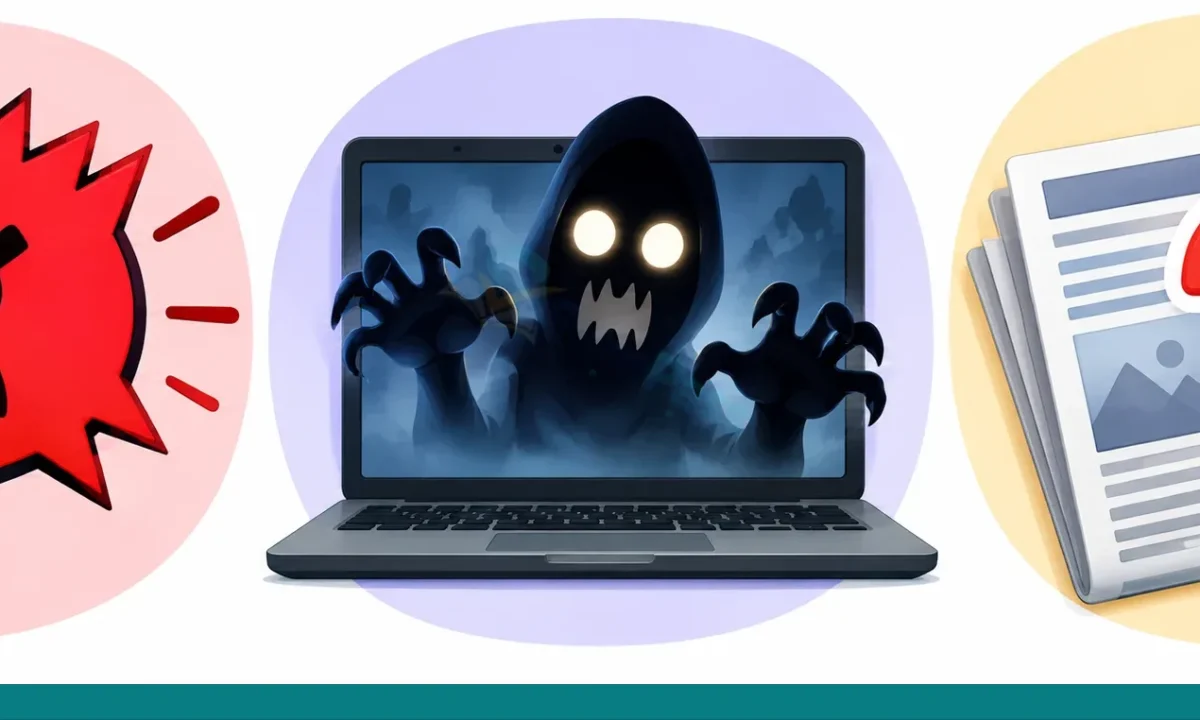
The internet and digital devices help people connect, learn and play. However, sometimes people use these tools to hurt others. This harmful behaviour is called cyberbullying.
Meaning of Cyberbullying
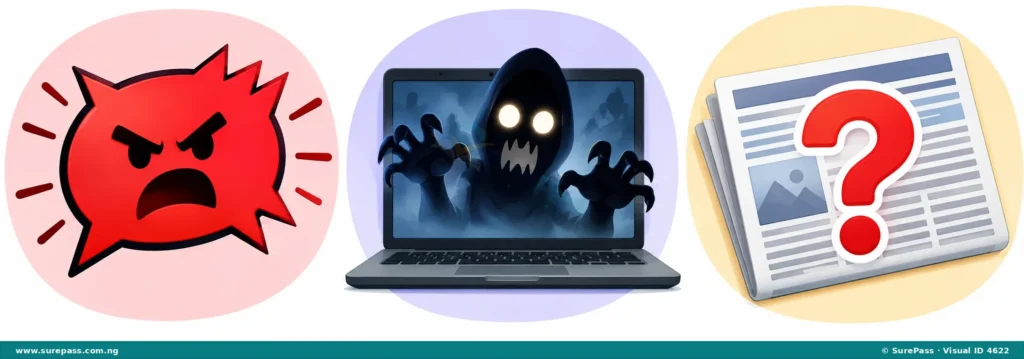
Cyberbullying is when someone uses digital technology like phones, computers or the internet to repeatedly hurt, embarrass or scare another person.
It can happen through text messages, social media, games or other online platforms. Unlike traditional bullying, cyberbullying can happen at any time and anywhere, making it hard for the person being bullied to escape.
Forms of Cyberbullying
Cyberbullying can take many different forms. It is important to know what these forms are so that they can be recognised and stopped.
Common forms of cyberbullying include:
- Exclusion: This happens when someone is deliberately left out of an online group, game or conversation. For example, a group of friends might create a chat group and intentionally not add one person, then talk about them in the group.
- Harassment: This involves sending repeated mean, insulting or threatening messages to someone. It could be through text messages, comments on social media posts or messages in online games.
- Outing: This is when someone shares private or embarrassing information, pictures or videos of another person online without their permission. For example, sharing a secret someone told you in confidence with a wider online audience.
- Cyber-stalking: This is a more serious form of cyberbullying where someone repeatedly sends threatening messages or constantly tracks another person’s online activity to scare or intimidate them.
- Impersonation: This occurs when a bully pretends to be another person online. They might use someone else’s account or create a fake account using their name and pictures to send mean messages or post embarrassing content.
Ways of Dealing with Cyberbullying
If someone experiences cyberbullying, there are important steps that can be taken to stop it and stay safe online. It is important to remember that cyberbullying is never the fault of the person being bullied.
Effective ways of dealing with cyberbullying include:
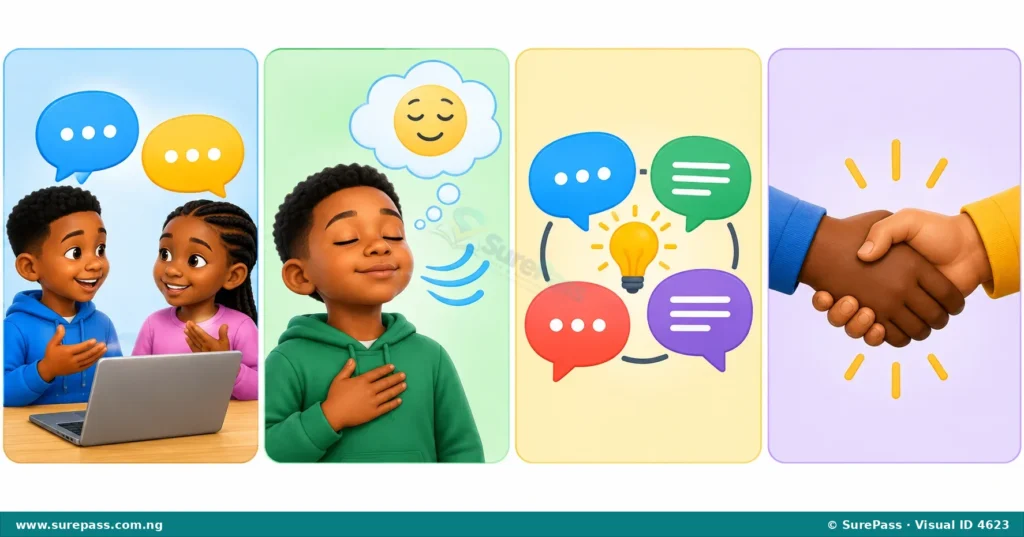
- Resist the urge to respond directly: When a bully sends mean messages, it can be tempting to reply with anger or sadness. However, responding often makes the situation worse and gives the bully more power. It is better to ignore the messages and not give the bully the reaction they want.
- Block bullies and report them to service providers: Most online platforms and apps have ways to block users who are being mean. Blocking prevents them from sending more messages or seeing your posts. It is also important to report the bully to the platform (like the social media site or game provider). They can take action against the bully’s account.
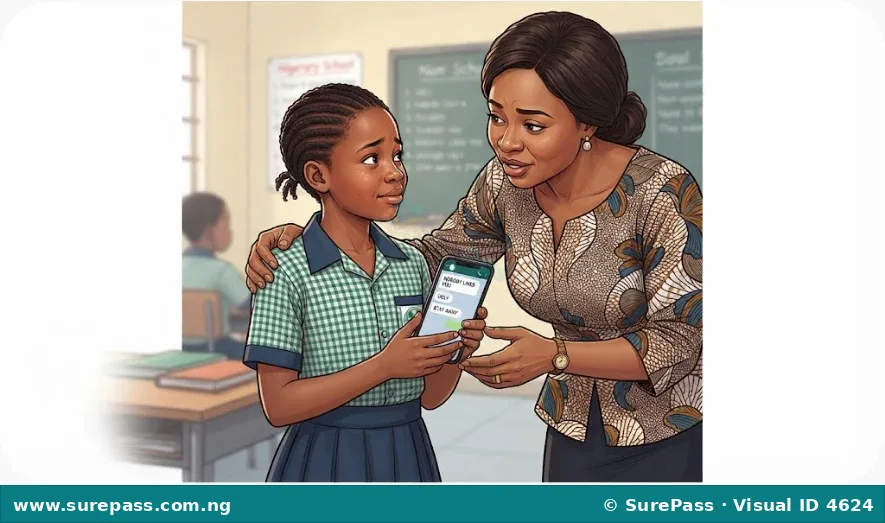
- Report to parents or teachers: The most important step is to tell a trusted adult. This could be a parent, guardian, teacher or school counsellor. Adults can offer support, help block the bully and take further steps to ensure safety. They can also contact the school or the service provider if needed.
Dealing with Cyberbullying: Practical Steps
Knowing how to deal with cyberbullying is a very important skill for staying safe online. When faced with cyberbullying, it is helpful to follow a clear set of actions.
The procedure for dealing with cyberbullying involves the following steps:
- Do not reply: When you receive a mean or hurtful message, do not type a response. Take a deep breath and close the message.
- Take a screenshot: If possible, take a picture of the screen showing the bullying message. This is important evidence.
- Block the bully: Go to the settings of the app or platform where the bullying is happening and find the option to block the user. This stops them from contacting you.
- Report to the platform: Use the “report” feature on the app or website to tell them about the bullying. You can usually find this option near the bully’s profile or message.
- Tell a trusted adult: Immediately show the screenshot or explain what happened to your parent, guardian or teacher. They will help you decide the next steps and ensure your safety.
- Spend time offline: If the bullying is making you feel bad, take a break from your phone or computer. Do other activities you enjoy, like playing outside or reading a book.



0 comments
Open the discussion when you need it. Comments stay collapsed until requested so the initial article remains light.