



ARTICLE CONTENTSOn this page 5 sections
History of digital devices
Performance Objectives
By the end of the lesson, students should be able to:
- explain the historical development of digital devices;
- categorise digital devices according to their historical development.
What Are Digital Devices?
A digital device is an electronic tool that uses numbers (digits) to process information.
These devices help people to do many tasks, such as counting, writing, playing games, and communicating with others. Digital devices have changed a lot over many years.
Historical Development of Digital Devices
Digital devices have a long and interesting history. They started as simple counting tools and have become the smart devices we use today. We can look at their development in different stages.
Early Digital Devices
Before modern computers, people used simple tools to help them count and calculate. These were the very first steps towards digital devices.
The Abacus
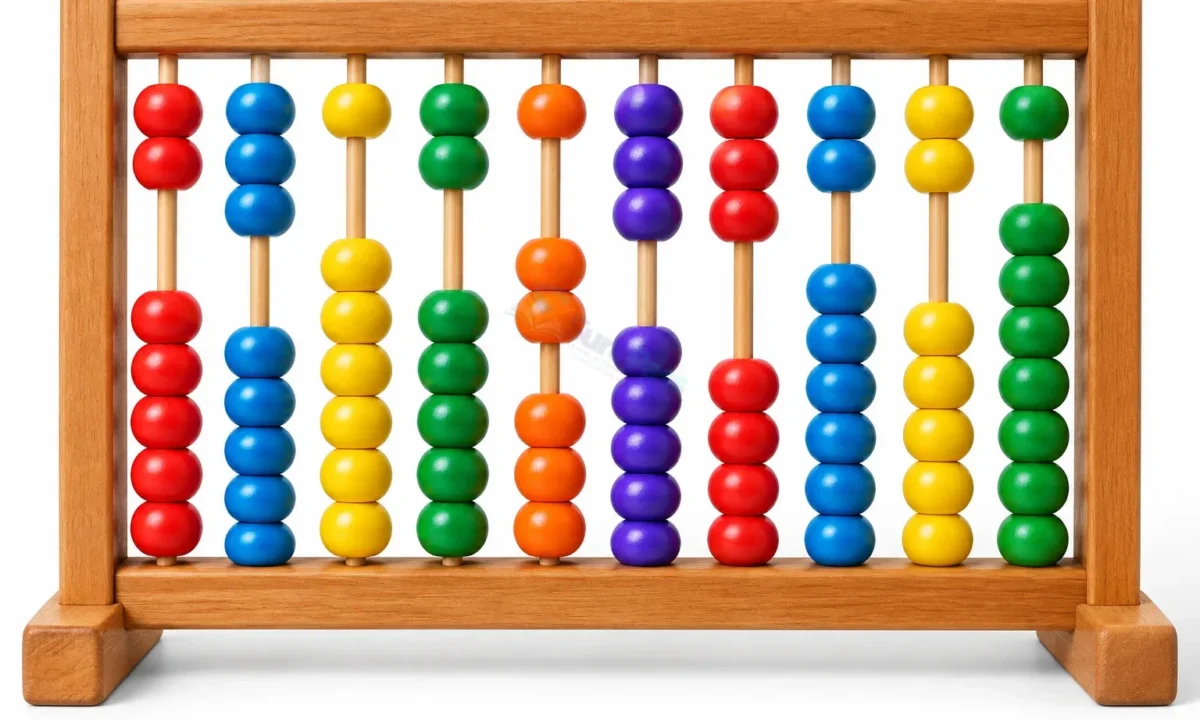
The abacus is one of the oldest counting tools known to humans. It is a frame with beads that slide on rods.
People used the abacus to perform basic arithmetic operations like addition, subtraction, multiplication, and division. It helped people calculate numbers quickly and accurately long before electronic devices were invented.
First Electronic Computers
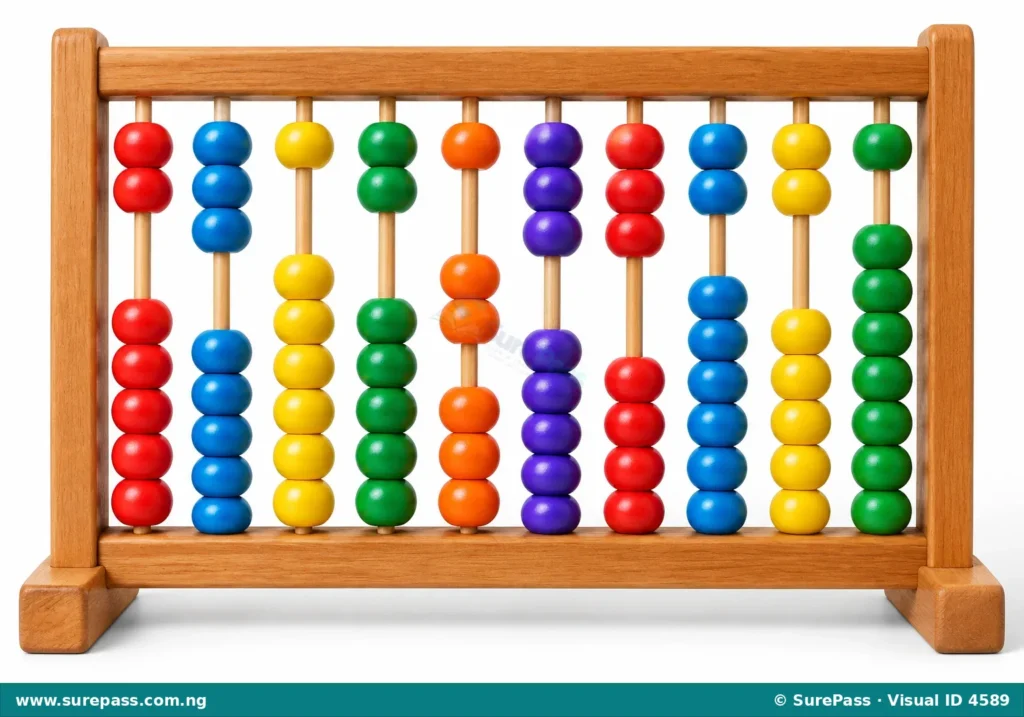
Many years after the abacus, scientists and engineers invented the first electronic computers. These early computers were very different from the ones we use today.
The first electronic computers were extremely large, sometimes filling an entire room. They used a lot of electricity and were mainly used by governments and scientists for complex calculations and tasks, such as predicting weather or solving difficult mathematical problems. They were not for everyday use by ordinary people.
Personal Computers
As technology improved, computers became smaller, faster, and more affordable. This led to the development of personal computers.
Early Personal Computers
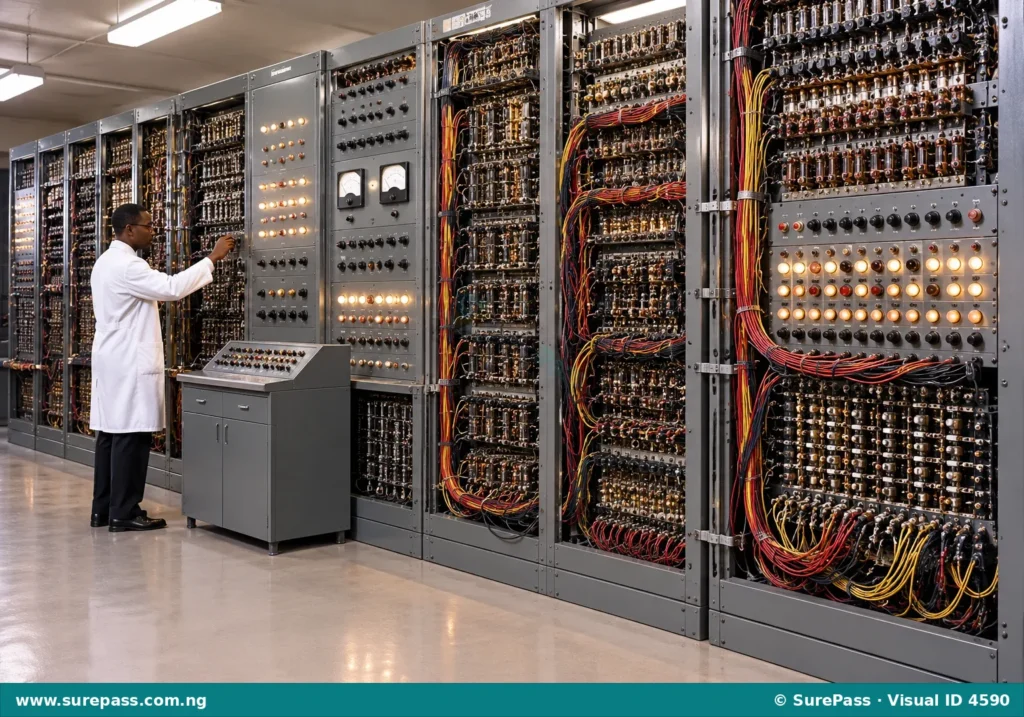
An early personal computer was a computer designed for one person to use. These computers were much smaller than the first electronic computers, but still larger and heavier than today’s laptops or desktops.
People started using personal computers in their homes and offices for tasks like writing documents, doing calculations, playing simple games, and managing information. They made computing accessible to more people.
Operating Systems
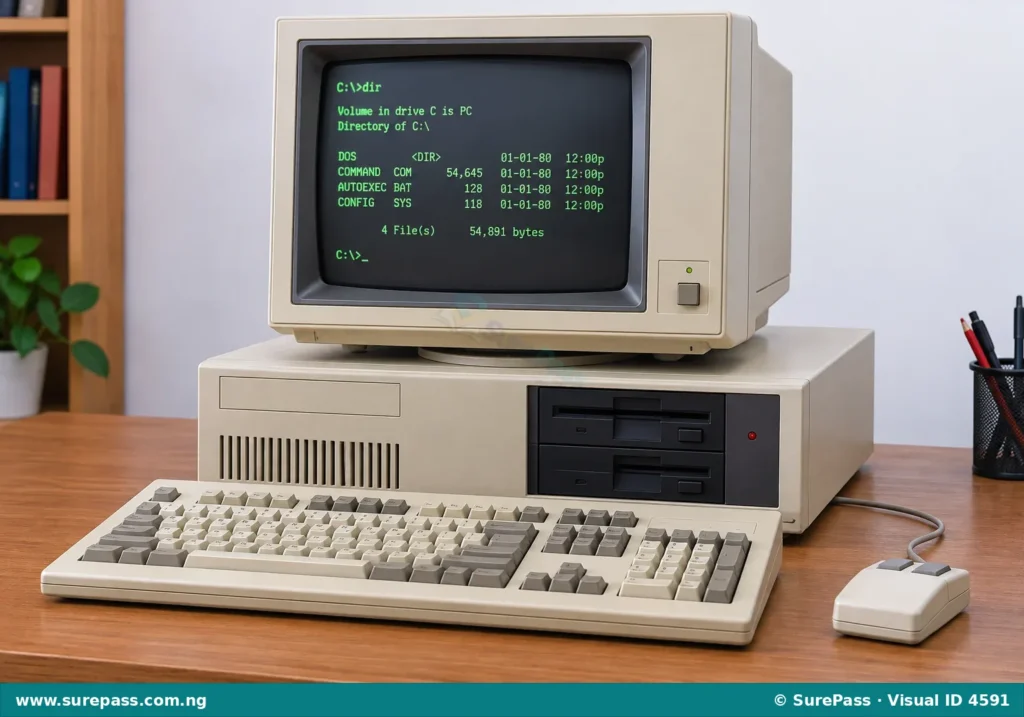
Every personal computer needs an operating system to work. An operating system is a special program that manages all the computer’s hardware and software.
It acts like a manager, allowing people to interact with the computer and run other programs. Without an operating system, a computer cannot function. Examples of operating systems include Windows and macOS.
Mobile Devices
The next big step in digital device history was making devices even smaller and portable, so people could carry them anywhere. These are known as mobile devices.
First Mobile Phones
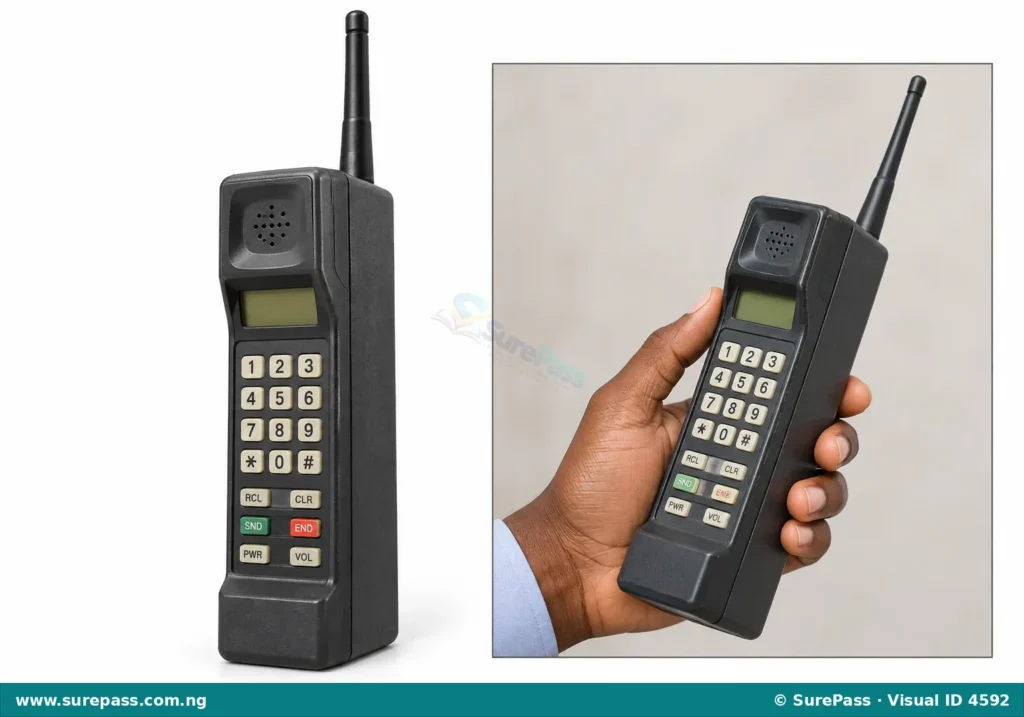
The first mobile phones were invented to allow people to talk to each other without being connected by wires. These early mobile phones were very large and heavy, often called “brick phones” because of their size and shape.
They could only be used for making and receiving phone calls. They did not have cameras, internet access, or the many other features that modern smartphones have today.
Tablets
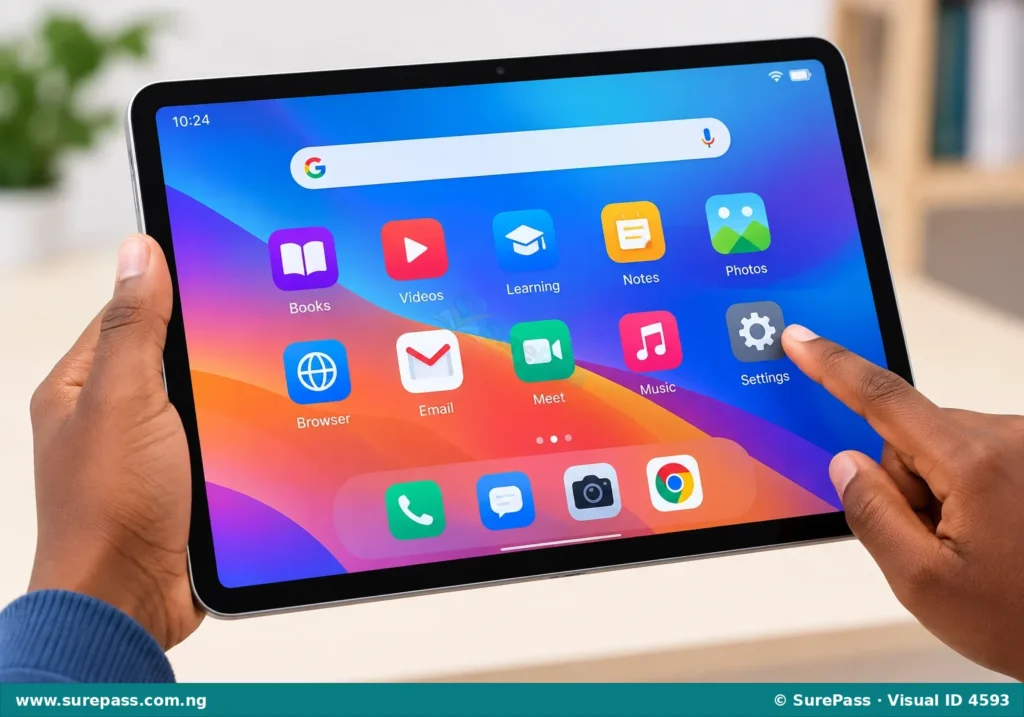
Tablets are flat, portable digital devices that usually have a touchscreen for interaction. They are larger than mobile phones but smaller than most laptop computers.
Tablets allow people to browse the internet, watch videos, read e-books, play games, and use various applications. They are very convenient for learning and entertainment on the go.
Wearable Devices (Smartwatches)
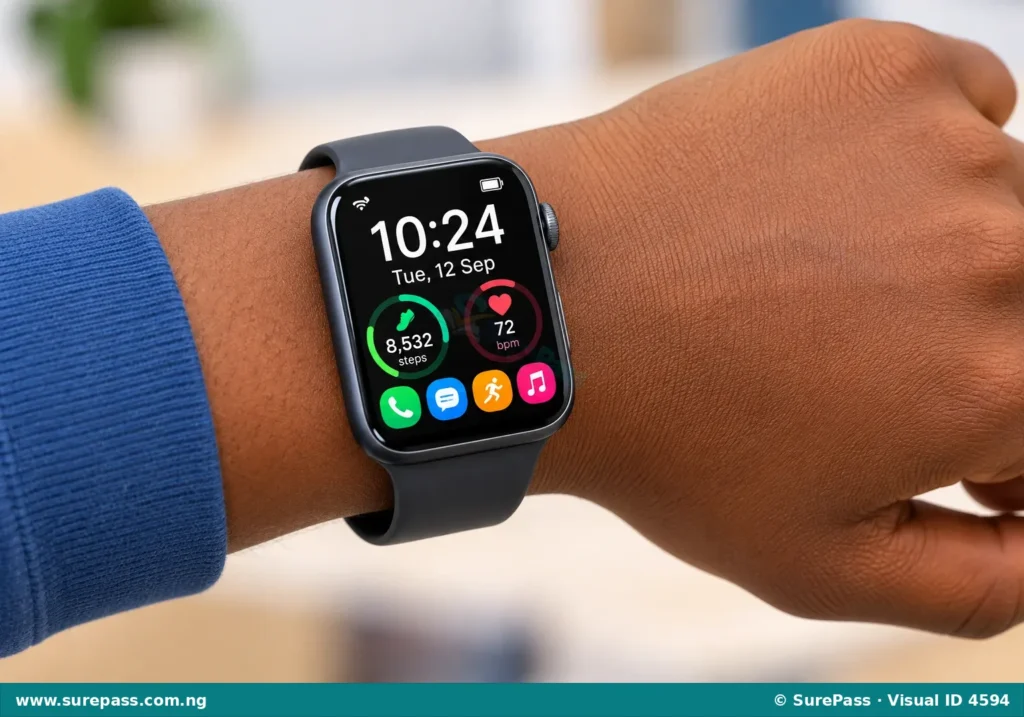
Wearable devices are digital tools that people wear on their bodies, like clothing or accessories. A smartwatch is a common example of a wearable device.
Smartwatches look like regular watches but have many smart features. They can tell time, count steps, monitor heart rate, show messages from a phone, and even make calls. They are designed to be convenient and always with the user.
Categorising Digital Devices by Historical Development
Digital devices have evolved significantly over time. We can categorise them into stages based on when they were developed and what they were used for:
- Early Digital Devices: These include very old counting tools like the abacus and the first large electronic computers. They were mainly for basic calculations and complex scientific tasks.
- Personal Computers: These are computers designed for individual use in homes and offices. They became smaller and more accessible, allowing people to do many different tasks.
- Mobile Devices: These are portable devices that can be carried anywhere. They include early mobile phones, tablets, and wearable devices like smartwatches, offering communication and many other functions on the go.
Each stage shows how digital devices became smaller, faster, and more useful for everyday life.





0 comments
Open the discussion when you need it. Comments stay collapsed until requested so the initial article remains light.