



ARTICLE CONTENTSOn this page 7 sections
Fundamentals of Music
Performance Objectives
By the end of the lesson, students should be able to:
- explain the meaning of the fundamental of music;
- state fundamentals of music;
- identify fundamentals in songs;
- compose song and demonstrate some fundamentals.
Introduction to Music
Music is an art form that uses sound to express ideas and emotions. It is all around us, from the songs we hear on the radio to the traditional music played at festivals and ceremonies. Music is made up of different parts that work together to create a complete sound.
To understand music better, it is helpful to know its basic building blocks. These basic parts are called the fundamentals of music.
What are the Fundamentals of Music?
The fundamentals of music are the basic elements or building blocks that make up any piece of music or song.
These elements help us to understand how music is organised, how it sounds, and how it makes us feel. Just as a house is built with bricks, cement, and wood, music is built with different musical elements.
Key Fundamentals of Music
There are several key fundamentals that are present in most music. Understanding these helps in listening to, performing, and even creating music.
Rhythm
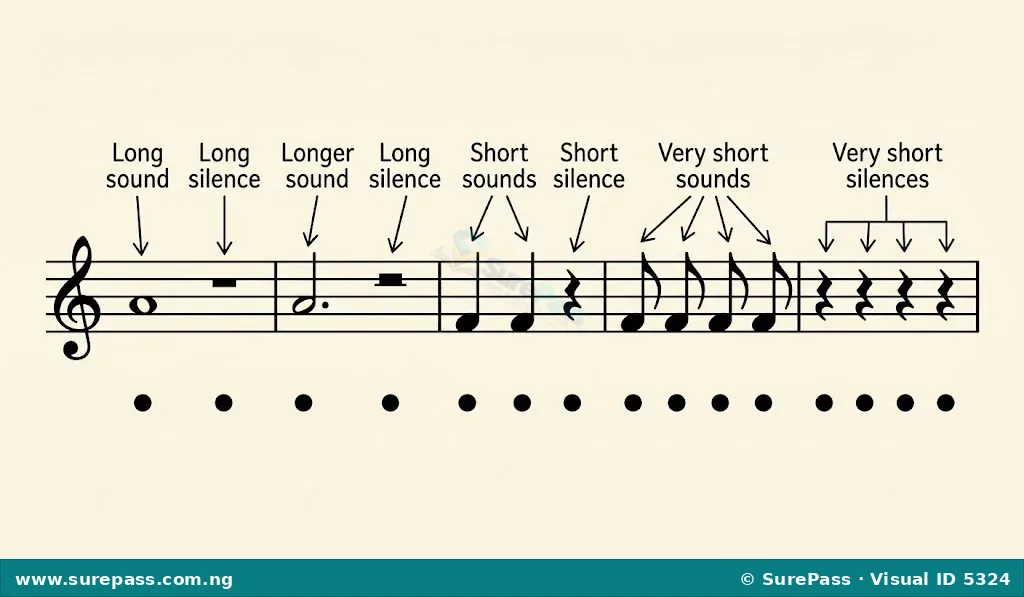
Rhythm is the pattern of sounds and silences in music over time.
It is the heartbeat of music, making us want to tap our feet or clap our hands. Rhythm involves the beat (the steady pulse), and the duration of notes (how long or short sounds last). When you listen to a song, the rhythm is what makes it feel fast, slow, steady, or bouncy.
Melody
Melody is a series of musical notes that are put together in a way that is pleasing and memorable, forming a tune.
It is often the part of a song that people remember and can sing along to. Melody is made up of different pitches (how high or low a sound is) arranged in a sequence. When you hum a tune, you are humming the melody.
Dynamics
Dynamics refer to the loudness or softness of music.
Music can be played loudly (forte) or softly (piano). Dynamics help to add expression and feeling to a song. A song might start softly, build up to a loud section, and then end quietly. These changes in volume are the dynamics.
Tempo
Tempo is the speed at which a piece of music is played or sung.
It tells us how fast or slow the beat of the music is. A fast tempo can make a song feel exciting, while a slow tempo can make it feel calm or sad. Examples of tempo include fast, slow, and moderate.
Timbre
Timbre is the unique quality or colour of a sound that distinguishes one instrument or voice from another.
It is what makes a trumpet sound different from a flute, or a male voice sound different from a female voice, even if they are playing or singing the same note at the same loudness. Timbre helps to give music its richness and variety.
Harmony
Harmony is the combination of different musical notes played or sung at the same time to create a pleasing sound.
While melody is a sequence of notes, harmony involves notes sounding together. In many songs, a main melody is supported by other notes or voices that create a fuller, richer sound. This blending of sounds is harmony.
Identifying Fundamentals in Songs
When listening to a song, it is possible to identify these fundamentals. This helps in appreciating the music more deeply.
- Rhythm: Listen for the steady beat. Can you tap your foot to it? Notice if the sounds are short and quick or long and drawn out.
- Melody: Try to hum the main tune of the song. Is it easy to remember? Does it move mostly upwards, downwards, or stay around the same notes?
- Dynamics: Pay attention to how loud or soft the music is at different points. Does it get louder during the chorus and softer during the verses?
- Tempo: Notice the speed of the song. Is it a fast dance tune, a slow lullaby, or something in between?
- Timbre: Listen to the different voices or instruments. Can you tell if it is a male singer, a female singer, a guitar, or a drum? Each has its own unique sound quality.
- Harmony: Listen for how different voices or instruments blend together. Do they create a rich, full sound, or is it just a single tune?
Using Fundamentals to Sing a Song
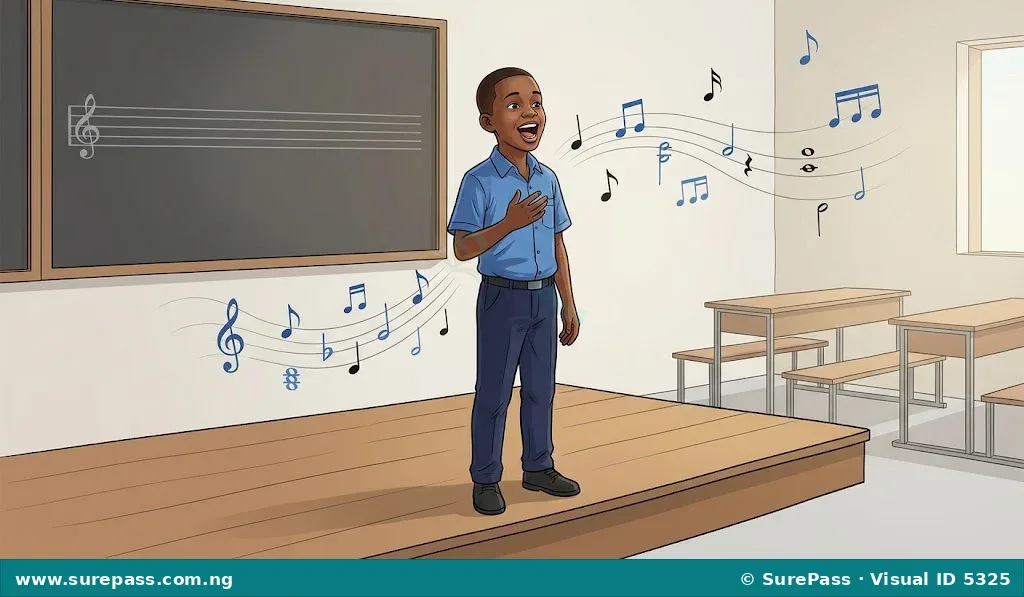
When singing a song, understanding and applying the fundamentals helps to make the performance more expressive and enjoyable. Even a simple song can sound much better when these elements are considered.
How to Compose and Sing a Simple Song
This activity helps to demonstrate some of the fundamentals of music through performance.
The required materials are:
- A simple song (either a known one or one you create).
- Your voice.
The procedure involves the following steps:
- Choose a simple theme: Think of a simple idea for your song, such as friendship, nature, or a daily activity.
- Create a simple melody: Hum a short, easy tune for your chosen theme. This will be your melody. Keep it simple, perhaps using only a few different notes.
- Establish a rhythm: Clap a steady beat for your melody. Decide if it will be a fast, slow, or moderate rhythm.
- Add words: Put simple words to your melody, making sure they fit the rhythm you have chosen.
- Practise the tempo: Sing your song at a consistent speed. Decide if it should be sung fast, slow, or at a medium pace.
- Practise dynamics: Decide which parts of your song should be sung loudly and which parts softly. For example, you might sing the chorus louder than the verses.
- Perform the song: Sing your song, paying attention to the melody, rhythm, tempo, and dynamics you have chosen. Try to use your voice (timbre) clearly.




0 comments
Open the discussion when you need it. Comments stay collapsed until requested so the initial article remains light.