


ARTICLE CONTENTSOn this page 5 sections
Music Icons in Nigeria
Performance Objectives
By the end of the lesson, students should be able to:
- explain meaning of music icons
- identify the characteristics and styles of popular music icons in Nigeria;
- mention songs and the artistes that perform popular music in Nigeria;
- compose a simple song in the style of a popular musician.
What Are Music Icons?
Music icons are musicians who are very famous, highly respected, and have made a great impact on music and culture.
These artistes are known for their unique styles, memorable songs, and lasting influence on other musicians and their fans. They often create music that defines an era or introduces a new sound.
Popular Music Icons in Nigeria
Nigeria has produced many talented musicians who have become icons both within the country and internationally. These artistes have created different styles of music that are loved by many people.
Fela Anikulapo Kuti
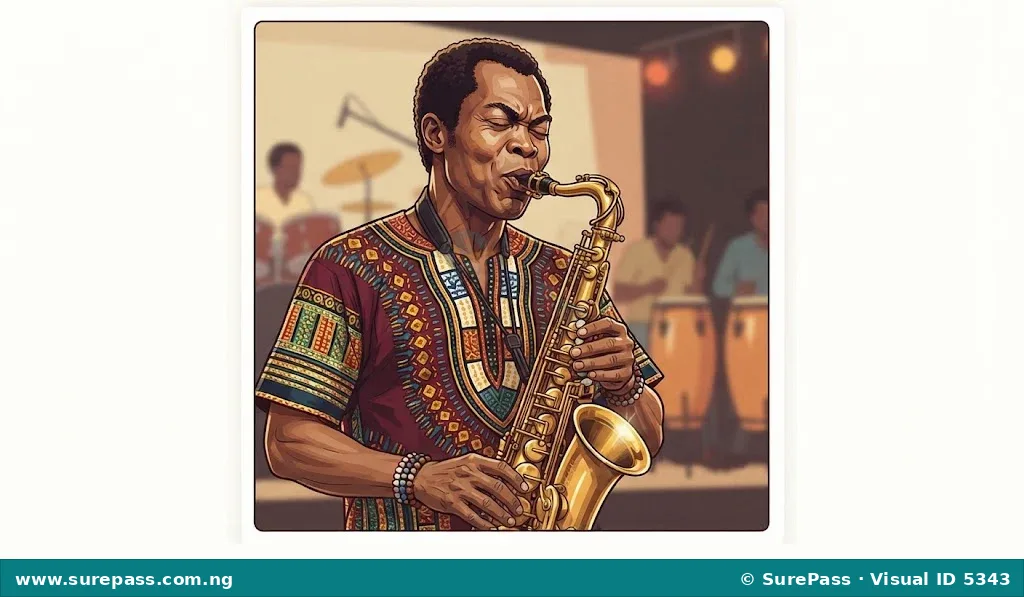
Fela Anikulapo Kuti was a legendary Nigerian musician, bandleader, composer, and political activist. He is widely regarded as the pioneer of Afrobeat music.
Fela’s music was a powerful blend of traditional Nigerian Yoruba music, jazz, highlife, and funk. His songs often featured long instrumental sections, complex rhythms, and strong messages about social justice and political issues in Nigeria and Africa.
Some of his popular songs include:
- “Zombie”
- “Water No Get Enemy”
- “Lady”
King Sunny Adé
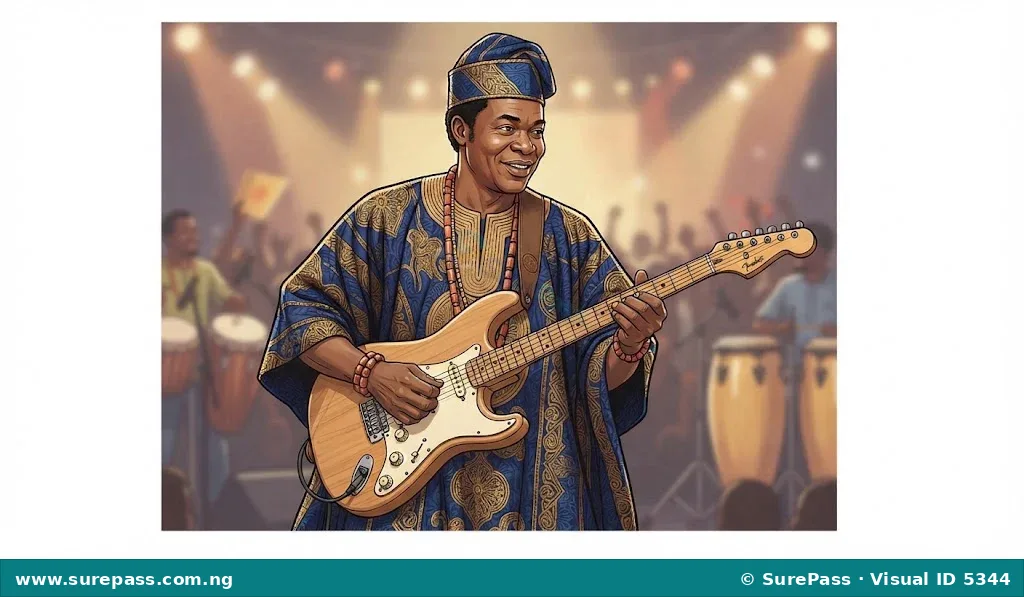
King Sunny Adé is a celebrated Nigerian musician, singer, and songwriter. He is one of the first African musicians to gain international recognition for his unique Jùjú music style.
King Sunny Adé’s Jùjú music is known for its rich guitar melodies, talking drums, and percussion. His songs are often praise songs, celebrating people and events, and are highly danceable. He is also known for his energetic stage performances.
Some of his popular songs include:
- “Synchro System”
- “Ja Funmi”
- “Merciful God”
Onyeka Onwenu
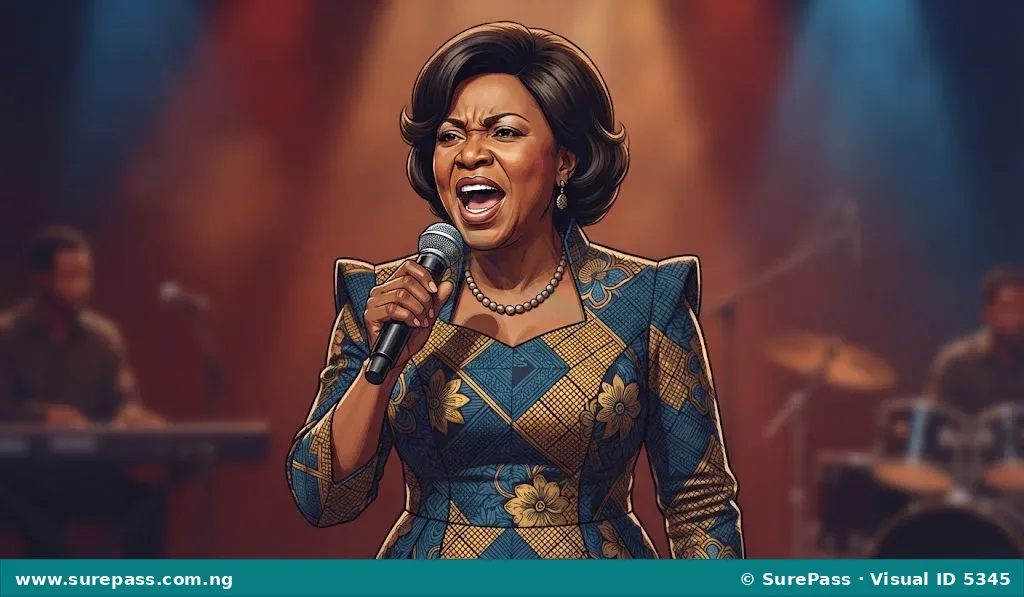
Onyeka Onwenu is a veteran Nigerian singer, songwriter, actress, and journalist. She is known for her powerful voice and her ability to blend different musical genres.
Onyeka Onwenu’s music often combines pop, highlife, and traditional Nigerian sounds. Her lyrics frequently address social issues, love, and cultural values. She is respected for her strong vocal delivery and meaningful messages.
Some of her popular songs include:
- “One Love”
- “Ekwe”
- “Iyogogo”
Lagbaja
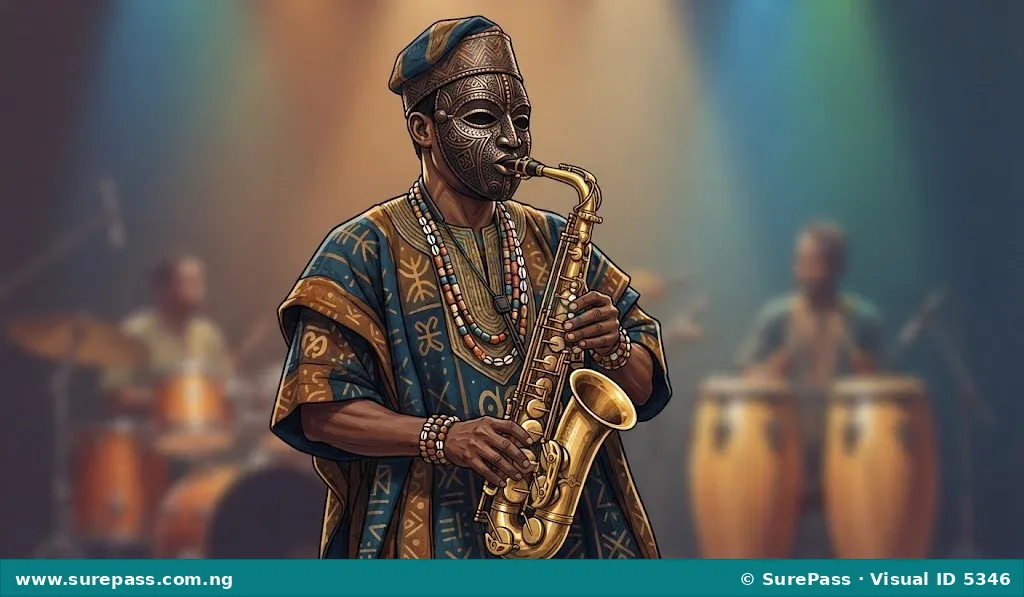
Lagbaja is a Nigerian Afro-fusion musician, singer, and songwriter. He is famous for his unique masked identity, which he uses to represent the common person and to highlight social issues.
Lagbaja’s music is a fusion of traditional Yoruba music, jazz, and Afrobeat. His style features prominent saxophone solos, traditional percussion, and lyrics that often offer social commentary and promote cultural awareness. His stage presence, with his mask and traditional attire, is also a key characteristic.
Some of his popular songs include:
- “Konko Below”
- “Gra Gra”
- “Nothing For You”
Composing a Simple Song
Composing a song means creating your own music and lyrics. You can compose a simple song by following the style of a popular musician you admire. This involves thinking about the message, the words, and how the song will sound.
Steps to Compose a Simple Song
The procedure for composing a simple song involves the following steps:
- Choose a Theme: Decide what your song will be about. For this exercise, choose a theme that expresses values and morals, such as honesty, kindness, hard work, respect, or unity. For example, you might choose “The Importance of Honesty”.
- Select a Musician’s Style to Imitate: Think about the music icons you have learned about. Choose one whose style you like and feel you can imitate. Consider their typical instruments, rhythm, and how they usually sing or deliver their message. For example, you might choose to compose a song in the style of Fela Kuti, focusing on a strong message and a danceable rhythm.
- Write the Lyrics (Words):
- Start with a main idea or message related to your chosen theme.
- Write a chorus (the part that repeats) that clearly states your main message.
- Write verses that tell a story or give examples related to your theme. For example, if your theme is honesty, a verse might describe a situation where someone chose to be honest and the good outcome, or a situation where someone was dishonest and the negative outcome.
- Ensure your lyrics promote positive values and morals, as required.
- Keep the language simple and clear for JSS1 level.
- Think About the Rhythm: As you write your lyrics, imagine how they would sound when sung. Clap your hands or tap your feet to find a simple rhythm that fits your words. Think about the rhythm of the musician whose style you are imitating. For example, Fela’s songs often have a strong, steady, danceable beat.
- Imagine a Simple Melody: Try to hum or sing your lyrics with a simple tune. You don’t need to be a professional singer or composer. Just find a tune that feels natural and easy to remember. You can try to make it sound a bit like the melodies used by your chosen music icon.
- Practise and Refine: Sing your song aloud. Does it flow well? Do the words fit the rhythm and melody? You can make small changes to your lyrics or tune until you are happy with your simple song.
Remember, the goal is to create a simple song that expresses a positive message in the style of a popular Nigerian musician.



0 comments
Open the discussion when you need it. Comments stay collapsed until requested so the initial article remains light.