



ARTICLE CONTENTSOn this page 7 sections
Playing Musical Instruments
Performance Objectives
By the end of the lesson, students should be able to:
- explain the meaning of musical instrument;
- state the uses of musical instruments;
- classify musical instruments;
- describe how sound is produced;
- play an idiophones or membranophones instrument and aerophones.
Meaning of Musical Instruments
A musical instrument is an object or device used to produce musical sounds.
These instruments are specially designed to create different tones, rhythms, and melodies. They are used by musicians to express feelings, tell stories, and create beautiful music.
Uses of Musical Instruments
Musical instruments serve many important purposes in society and culture. They are essential for various activities and events.
The uses of musical instruments include:
- Entertainment: Instruments are played to entertain people at concerts, parties, and other social gatherings.
- Worship and Religion: Many religions use musical instruments during worship services, ceremonies, and festivals to praise and connect with their beliefs.
- Communication: In some cultures, certain instruments like talking drums are used to send messages or communicate over distances.
- Cultural Expression: Instruments are vital for preserving and expressing the unique traditions, stories, and history of different cultures.
- Dance and Movement: Music from instruments provides the rhythm and melody for various dance forms, encouraging movement and celebration.
- Therapy: Playing or listening to musical instruments can help people relax, reduce stress, and improve their mood.
- Education: Learning to play an instrument helps develop discipline, coordination, and creativity in learners.

Classes of Musical Instruments
Musical instruments can be grouped into different classes based on how they produce sound. Understanding these classes helps in identifying and appreciating various instruments.
The main classes of musical instruments are:
- Idiophones
- Membranophones
- Chordophones
- Aerophones
- Electrophones
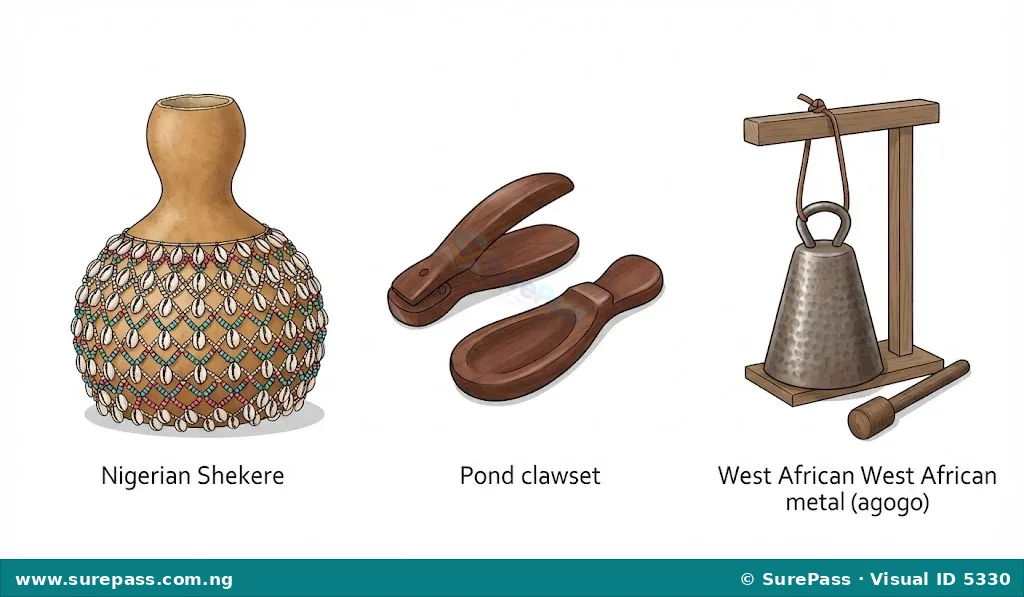
Idiophones
Idiophones are instruments that produce sound primarily by the vibration of their own solid material when struck, shaken, scraped, or plucked.
They are often made from wood, metal, or gourds. The entire instrument vibrates to create sound.
Examples of idiophones include:
- Gongs
- Maracas
- Xylophones (like the Nigerian ‘Akadinda’ or ‘Amadinda’)
- Clappers
- Bells
- Shekere
Membranophones
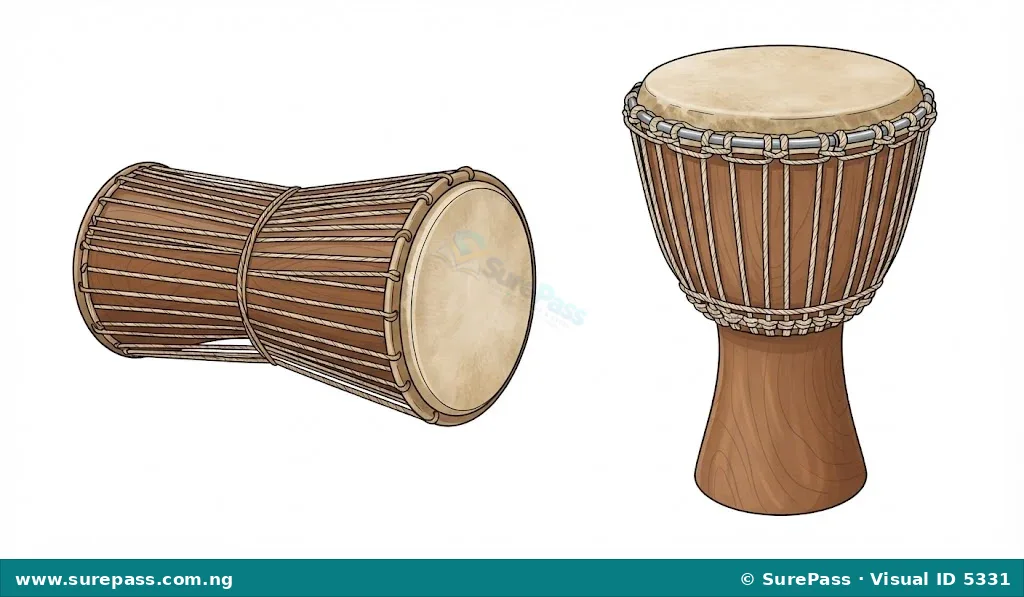
Membranophones are instruments that produce sound primarily by the vibration of a stretched membrane or skin.
This membrane, often made from animal skin or synthetic material, is stretched over a frame or shell and is usually struck with hands, sticks, or mallets.
Examples of membranophones include:
- Talking drums (Gangan)
- Bata drums
- Konga drums
- Djembe drums
- Tambourines
Chordophones
Chordophones are instruments that produce sound primarily by the vibration of stretched strings.
The strings can be plucked, bowed, or struck to create sound. The length, thickness, and tension of the strings affect the pitch of the sound.
Examples of chordophones include:
- Guitars
- Violins
- Harps
- Pianos
- Kora (a West African string instrument)
Aerophones
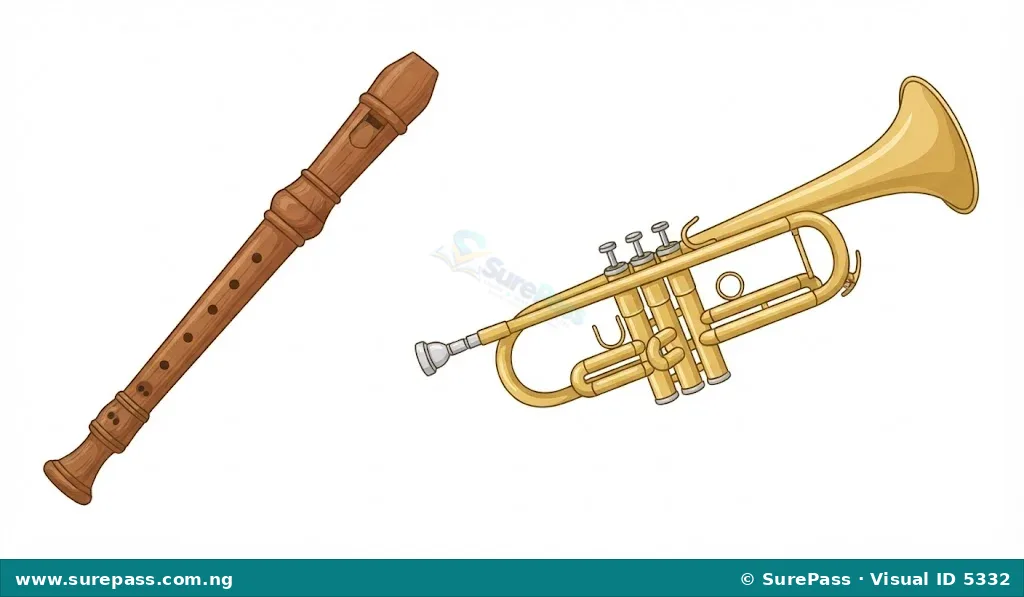
Aerophones are instruments that produce sound primarily by causing a body of air to vibrate.
This is usually done by blowing air into or across the instrument. The length of the air column and the way the air is directed determine the pitch.
Examples of aerophones include:
- Flutes
- Trumpets
- Saxophones
- Whistles
- Horns (like traditional animal horns)
Electrophones
Electrophones are instruments that produce sound primarily by electronic means.
They use electricity to generate, amplify, or modify sounds. Some electrophones create sound entirely electronically, while others amplify sounds produced by traditional means.
Examples of electrophones include:
- Keyboards (electronic)
- Synthesizers
- Electric guitars (when plugged into an amplifier)
- Electronic drums
How Sound is Produced in Musical Instruments
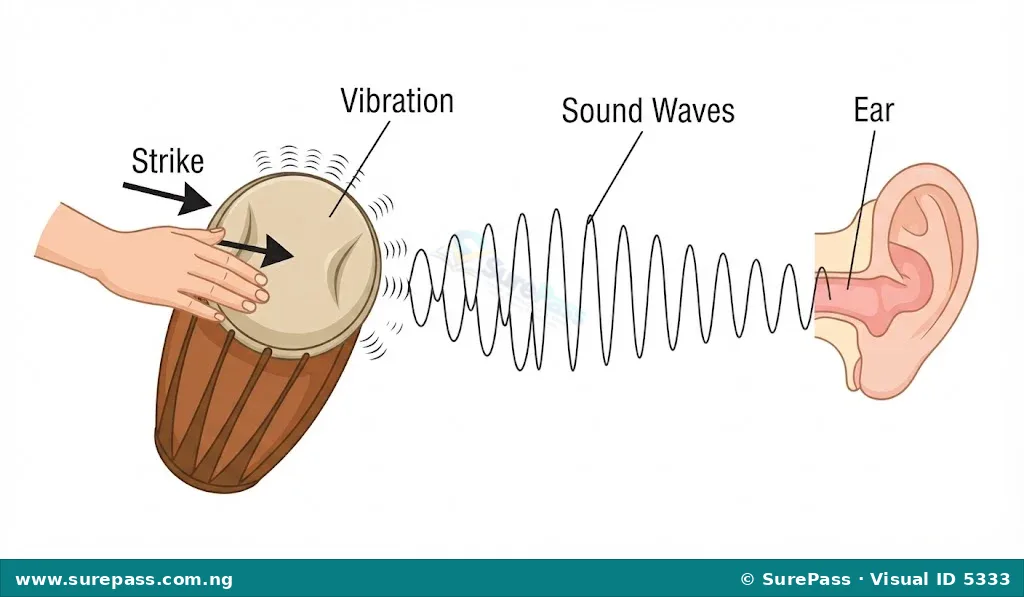
Sound is produced when something vibrates, meaning it moves rapidly back and forth. In musical instruments, different parts vibrate to create the sounds that are heard.
The process of sound production generally involves these steps:
- Vibration: A part of the instrument (like a string, membrane, or column of air) is made to vibrate. This vibration is usually caused by striking, plucking, blowing, or shaking the instrument.
- Air Movement: The vibrating part then causes the air around it to vibrate. These air vibrations travel outwards as sound waves.
- Hearing: When these sound waves reach the ear, they cause the eardrum to vibrate, and the brain interprets these vibrations as sound.
In different classes of instruments, the vibrating part is different:
- Idiophones: The entire body of the instrument vibrates when struck or shaken. For example, when a maraca is shaken, the beads inside hit its body, causing the body itself to vibrate and produce sound.
- Membranophones: The stretched membrane (skin) vibrates when struck. For example, when a talking drum’s skin is hit, the skin vibrates, pushing the air to create sound.
- Chordophones: The stretched strings vibrate when plucked, bowed, or struck. For example, when a guitar string is plucked, it vibrates rapidly, creating sound.
- Aerophones: A column of air inside the instrument vibrates when air is blown into it. For example, when air is blown into a flute, the air inside vibrates, producing musical notes.
- Electrophones: Electronic circuits generate or modify electrical signals, which are then converted into sound waves by speakers.
Playing Idiophones, Membranophones, and Aerophones
Learning to play musical instruments involves understanding how to make them produce sound correctly. This section provides basic steps for playing an idiophone, a membranophone, and an aerophone.
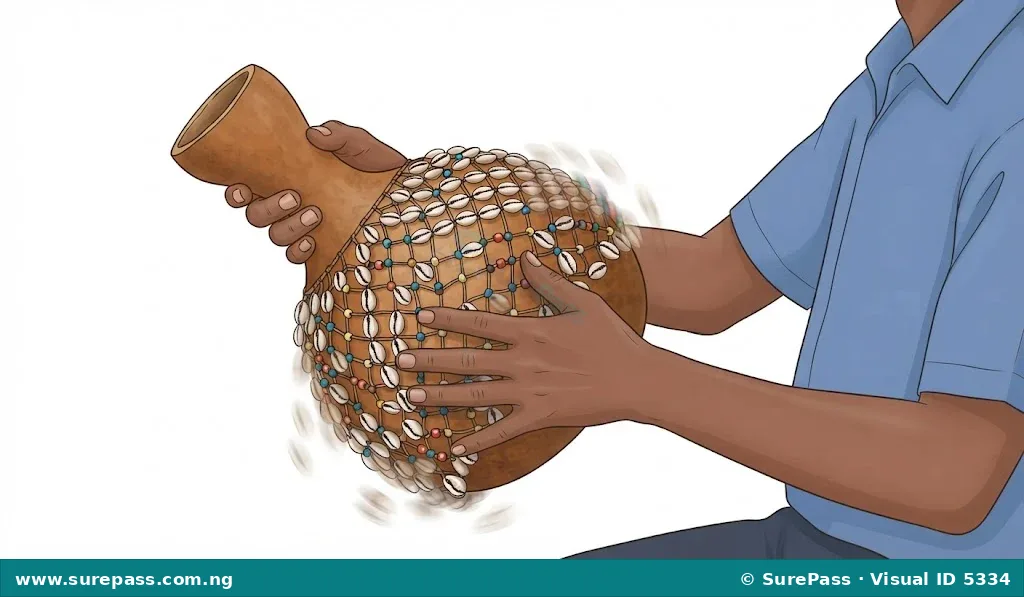
How to Play a Shekere (Idiophone)
The shekere is a Nigerian idiophone made from a dried gourd covered with a net of beads. It is played by shaking or striking it.
The procedure involves the following steps:
- Hold the Shekere: Hold the neck of the shekere firmly with one hand.
- Shake Rhythmically: Shake the shekere back and forth or in a circular motion to make the beads strike the gourd. This creates a rattling sound.
- Strike the Base: Use the palm of your free hand to gently strike the bottom of the gourd while shaking. This adds a deeper, percussive sound.
- Combine Movements: Experiment with different shaking and striking patterns to create various rhythms and sounds.
How to Play a Talking Drum (Gangan) (Membranophone)
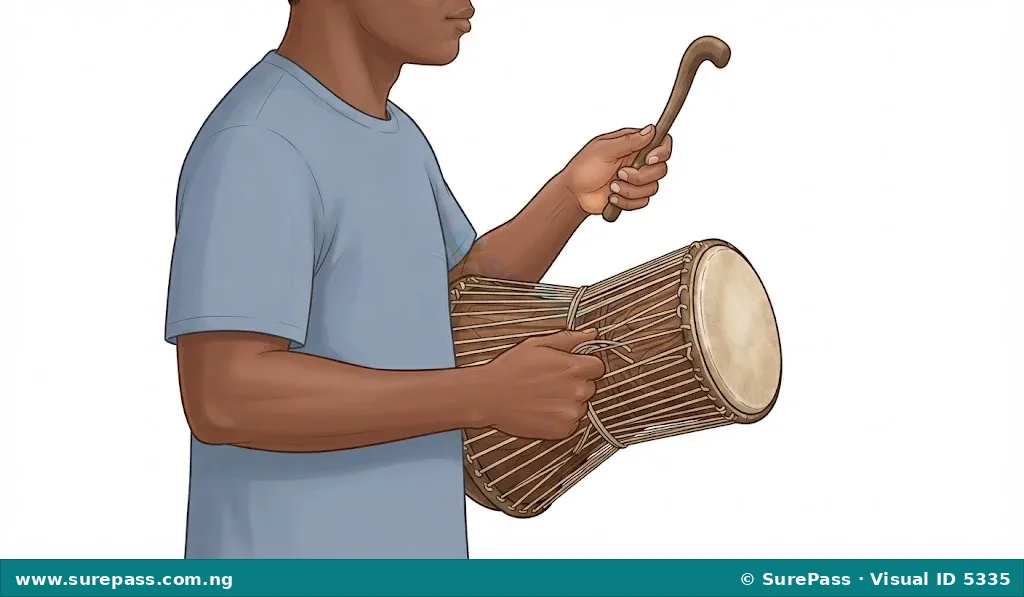
The talking drum, or Gangan, is a membranophone that can mimic the tones and rhythms of human speech. It is played by striking its membrane and squeezing the strings.
The procedure involves the following steps:
- Hold the Drum: Hold the drum under one arm, with the drumhead facing outwards.
- Use the Beater: Hold the curved drum beater (stick) in your dominant hand.
- Strike the Drumhead: Gently strike the centre or edge of the drumhead with the beater to produce a sound.
- Squeeze the Strings: Use the arm holding the drum to squeeze the strings that run along the body of the drum. Squeezing tightens the drumhead, raising the pitch of the sound. Releasing the squeeze lowers the pitch.
- Combine Actions: Practice striking the drumhead while simultaneously squeezing and releasing the strings to create different pitches and rhythms, mimicking speech patterns.
How to Play a Recorder Flute (Aerophone)
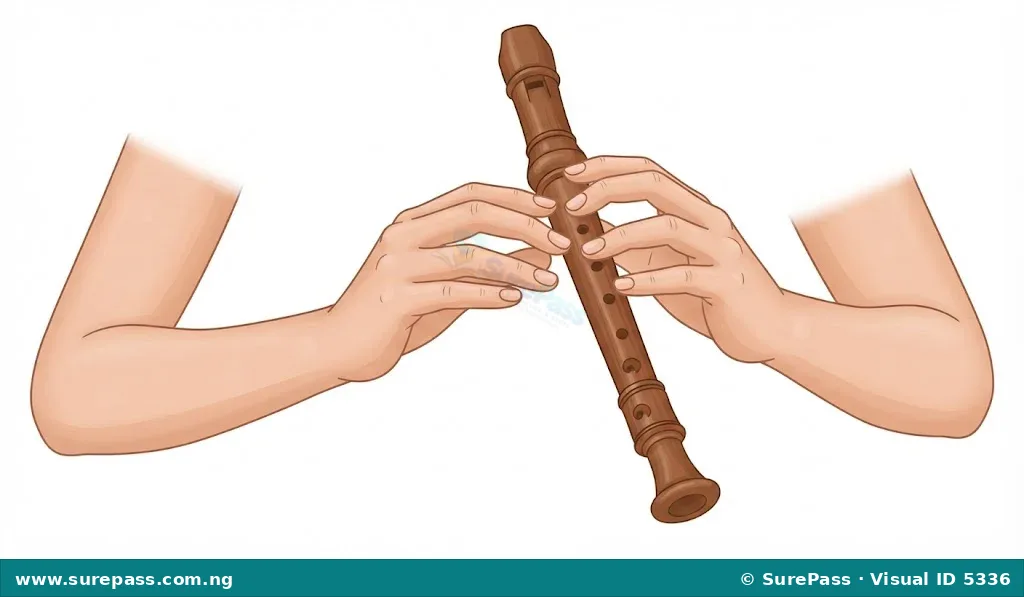
The recorder flute is a simple aerophone that produces sound when air is blown into it and fingers cover holes to change the pitch.
The procedure involves the following steps:
- Hold the Recorder: Hold the recorder gently with both hands. The left hand should be closer to the mouthpiece, covering the top holes. The right hand covers the lower holes.
- Form the Embouchure: Place the mouthpiece lightly between the lips, not too deep. Form a gentle seal around the mouthpiece.
- Blow Gently: Blow a steady, gentle stream of air into the mouthpiece. Do not blow too hard, as this can make a harsh sound.
- Cover the Holes: Use the pads of your fingers to completely cover the holes. Ensure no air leaks from any uncovered hole.
- Produce a Note: To play the lowest note (C), cover all the holes with your fingers. Blow gently.
- Change Notes: To play higher notes, lift one finger at a time, starting from the bottom hole. For example, lifting the little finger of the right hand will produce a different note.
- Practice Breathing: Maintain a steady breath to produce clear, consistent notes.




0 comments
Open the discussion when you need it. Comments stay collapsed until requested so the initial article remains light.