



ARTICLE CONTENTSOn this page 8 sections
Sole Proprietorship
Performance Objectives
By the end of the lesson, students should be able to:
- explain the meaning of sole proprietorship;
- discuss the characteristics of sole proprietorship;
- identify the sources of capital for a sole proprietorship business;
- discuss the advantages and disadvantages of sole proprietorship;
- prepare a basic business idea for a small business enterprise.
Many businesses in Nigeria start small, often owned and managed by just one person. These businesses are common in local markets, streets, and neighbourhoods, providing various goods and services. This type of business ownership is known as a sole proprietorship.
Meaning of Sole Proprietorship
A sole proprietorship is a type of business organisation owned, controlled, and managed by one person.
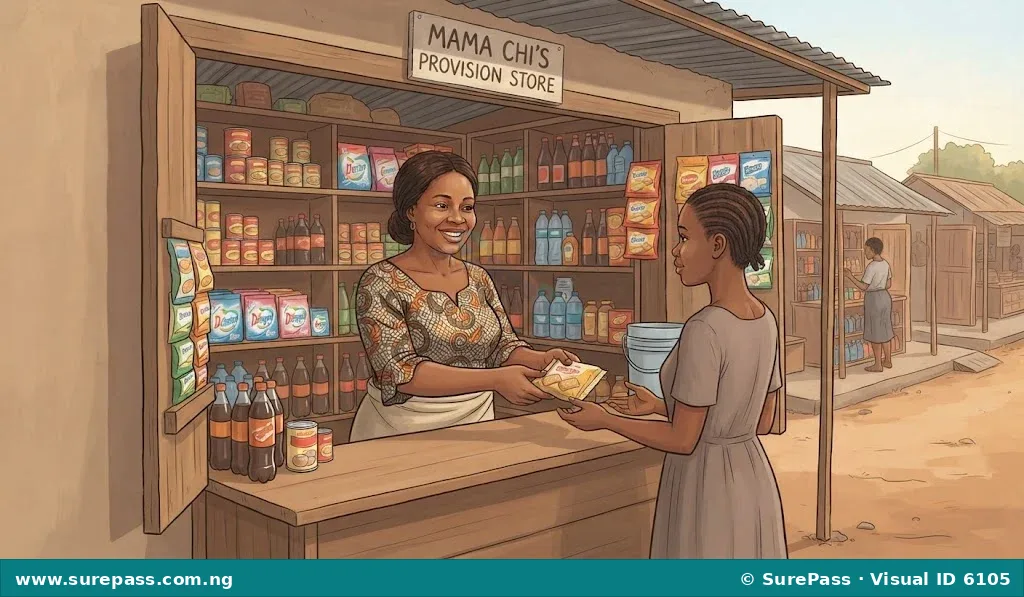
The owner of a sole proprietorship is called a sole proprietor. This individual takes all the decisions, provides the capital, enjoys all the profits, and bears all the risks associated with the business. Examples of sole proprietorships include small retail shops, hairdressing salons, tailoring businesses, roadside mechanics, and independent artisans.
Characteristics of Sole Proprietorship
Sole proprietorships have distinct features that set them apart from other forms of business. These characteristics significantly influence how the business operates and grows:
- Single Ownership: The business is owned by only one person. This individual provides all the capital, takes all the decisions, and is solely responsible for the business.
- Unlimited Liability: This is a crucial characteristic. The owner’s liability is unlimited, meaning there is no legal distinction between the owner and the business. If the business incurs debts or losses that it cannot pay, the owner’s personal assets (such as a house, car, or other valuables) can be used to settle the business debts. This characteristic can make owners cautious about taking large risks, which may limit the business’s growth potential.
- Easy Formation and Dissolution: A sole proprietorship is relatively easy to start and close. There are usually fewer legal formalities and lower registration costs compared to other business structures. In Nigeria, a sole proprietor may only need to register the business name with the Corporate Affairs Commission (CAC) and obtain necessary local government permits. Similarly, closing the business is straightforward.
- Owner’s Control and Management: The sole proprietor has complete control over the business. All decisions, from purchasing goods to setting prices and managing staff (if any), are made by the owner. This allows for quick decision-making but can also lead to heavy workload and potential burnout for the owner.
- Retention of All Profits: The sole proprietor enjoys all the profits generated by the business. There are no partners or shareholders to share the profits with, which can be a strong motivation for the owner.
- Bearing of All Losses: Just as the owner enjoys all profits, they also bear all losses. If the business fails, the owner is solely responsible for all debts and financial obligations. This direct exposure to risk can influence the owner’s willingness to invest heavily or expand rapidly.
- Lack of Continuity: The life of a sole proprietorship is tied directly to the owner. If the owner becomes ill, dies, or decides to retire, the business may cease to exist. This lack of continuity can make it difficult to plan for long-term growth or attract significant investment.
- Limited Capital: The capital for a sole proprietorship usually comes from the owner’s personal savings or small loans. This often limits the scale of operations and the ability to expand, as raising large amounts of capital from external sources can be challenging for a single individual.
- Small Scale of Operation: Due to limited capital and management capacity, most sole proprietorships operate on a small scale. They typically serve local communities and have a limited number of employees, if any.
Sources of Capital for a Sole Proprietorship
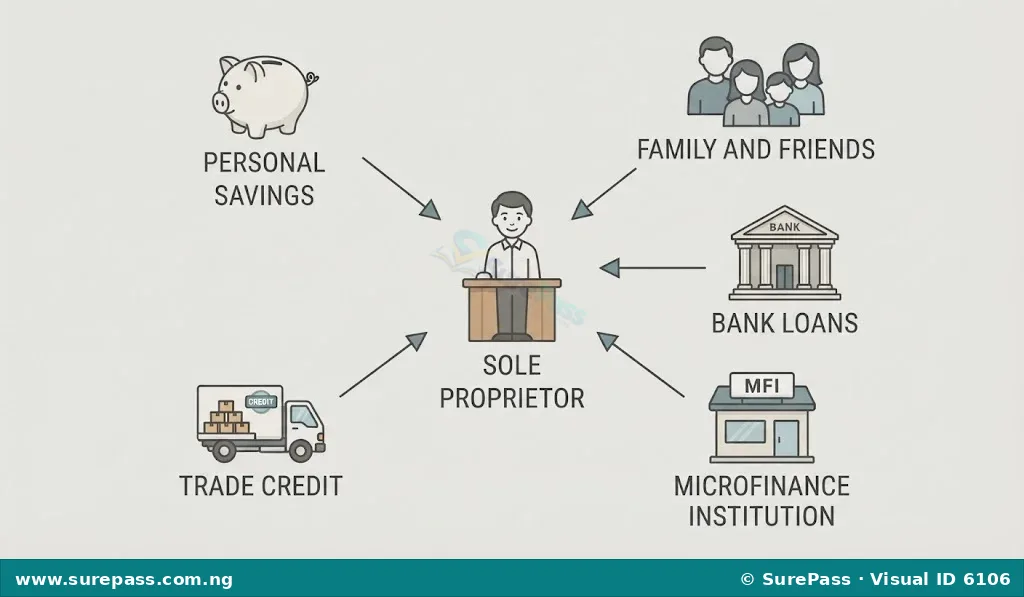
For a sole proprietor to start and run a business, capital is essential. The money needed can come from various sources:
- Personal Savings: This is the most common source of capital for sole proprietors. Owners often use their own accumulated savings to fund their business ventures.
- Loans from Family and Friends: Many sole proprietors borrow money from their relatives and friends, often with flexible repayment terms and lower interest rates than formal financial institutions.
- Bank Loans: Commercial banks can provide loans to sole proprietors, especially for established businesses with a good track record. However, new businesses may find it challenging to secure large bank loans without collateral or a strong business plan.
- Microfinance Institutions (MFIs): These institutions specialise in providing small loans (microcredits) to individuals and small businesses, particularly those who may not have access to traditional bank loans. They often target entrepreneurs in rural areas or those with limited collateral.
- Trade Credit: This involves obtaining goods or supplies from suppliers on credit, allowing the proprietor to sell the goods before paying the supplier. This effectively provides short-term capital for inventory.
- Reinvested Profits: Once a business starts making profits, the owner can choose to reinvest a portion of these profits back into the business to fund expansion or purchase new equipment.
Advantages of Sole Proprietorship
Operating a business as a sole proprietorship offers several benefits to the owner:
- Ease of Formation and Closure: As discussed, starting and closing a sole proprietorship involves minimal legal procedures and costs, making it accessible for many aspiring entrepreneurs.
- Owner Retains All Profits: The sole proprietor is entitled to all the profits generated by the business, which can be a significant motivator and reward for their efforts and risks.
- Quick Decision-Making: With only one owner, decisions can be made swiftly without the need for consultation or approval from partners or shareholders. This allows the business to respond quickly to market changes.
- Direct Control and Management: The owner has complete authority over all aspects of the business, allowing them to implement their vision and strategies directly.
- Close Relationship with Customers: Sole proprietors often have direct interaction with their customers, allowing them to build strong relationships, understand customer needs, and provide personalised service.
- Business Secrecy: The owner is not required to disclose business information to the public, unlike larger companies. This allows them to keep trade secrets and strategies confidential.
- Lower Setup and Operating Costs: Generally, sole proprietorships have lower initial setup costs and fewer administrative expenses compared to more complex business structures.
Disadvantages of Sole Proprietorship
Despite its advantages, the sole proprietorship also comes with significant drawbacks:
- Unlimited Liability: This is the most significant disadvantage. The owner’s personal assets are not protected from business debts, meaning they could lose everything if the business fails. This risk can deter large investments or expansion.
- Limited Capital: The ability to raise capital is often restricted to the owner’s personal funds, loans from family/friends, or small bank loans. This limits the potential for growth and expansion into larger markets.
- Lack of Continuity: The business’s existence is dependent on the owner. Its operations may cease or be severely disrupted by the owner’s illness, death, or retirement, making it difficult to ensure long-term stability.
- Heavy Workload and Stress: The sole proprietor is responsible for all aspects of the business, from production and marketing to finance and administration. This can lead to long working hours, stress, and a lack of work-life balance.
- Limited Management Skills: One person may not possess all the skills required to manage a business effectively (e.g., marketing, accounting, human resources). This can lead to inefficiencies or poor decision-making in areas where the owner lacks expertise.
- Difficulty in Expansion: The combination of limited capital, unlimited liability, and reliance on one person’s skills often makes it challenging for sole proprietorships to grow into larger enterprises.
- No Sharing of Losses: The owner bears all financial losses alone, without the support of partners or shareholders.
Preparing a Basic Business Idea for a Small Enterprise
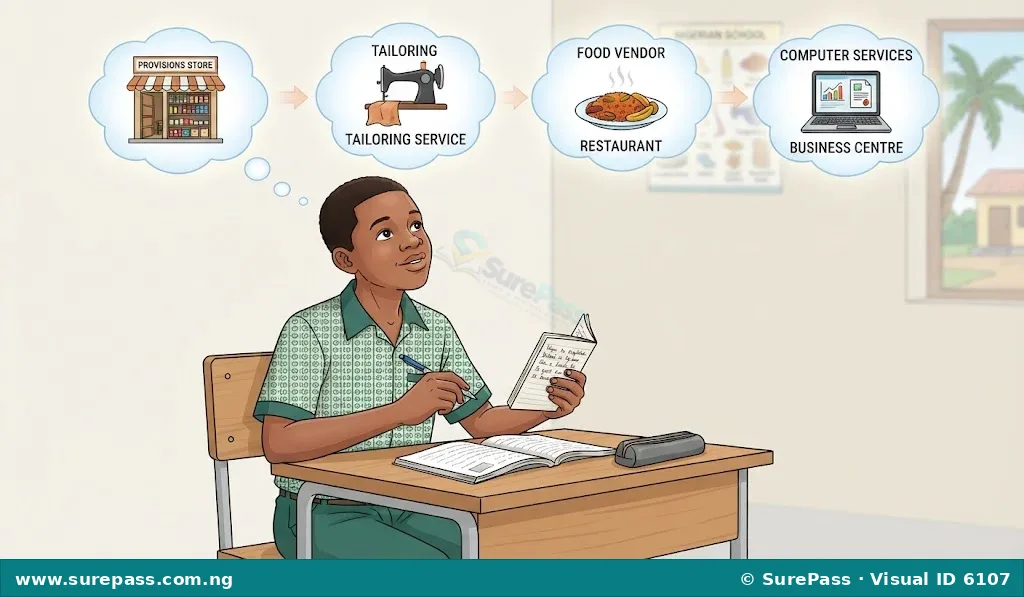
Developing a business idea is the first step towards becoming a sole proprietor. A good business idea addresses a need or solves a problem for potential customers. This skill involves thinking creatively and practically about what kind of business you could start.
The procedure for preparing a basic business idea involves the following steps:
- Identify a Need or Problem: Look around your community, school, or home. What do people need that is not readily available? What problems do they face that a product or service could solve?
Example: People in your area complain about not having fresh, affordable vegetables nearby, or students need help with difficult subjects after school.
- Brainstorm Solutions/Products/Services: Once you identify a need, think of different ways to meet that need. What products could you sell, or what services could you offer?
Example: For fresh vegetables, you could start a small farm or source from local farmers and sell them. For student help, you could offer tutoring services.
- Consider Your Skills and Interests: What are you good at? What do you enjoy doing? Aligning your business idea with your skills and interests makes it more likely you will succeed and enjoy the work.
Example: If you are good at cooking, a small catering service or snack shop might be suitable. If you are good at drawing, you could offer custom artwork.
- Identify Your Target Customers: Who will buy your product or service? Knowing your target customers helps you tailor your offerings and marketing.
Example: For fresh vegetables, your target customers might be families and restaurants. For tutoring, it would be students in specific classes.
- Outline Basic Resources Needed: What essential things would you need to start this business? Think about materials, equipment, and a suitable location. Keep it simple for a small enterprise.
Example: For a vegetable stall, you might need a table, scales, bags, and a small space. For tutoring, you might need textbooks, a quiet space, and writing materials.
- Give Your Business a Name: Choose a simple, memorable name that reflects what your business does.
Example: “Mama Nkechi’s Fresh Veggies” or “Bright Minds Tutoring Services.”
- Write a Short Description of the Business: Summarise what your business will do, who it will serve, and how it will meet a need. This is your basic business idea.
Example: “Bright Minds Tutoring Services will provide affordable after-school tutoring in Mathematics and English for SS1 students in our community, helping them improve their grades and understanding.”




0 comments
Open the discussion when you need it. Comments stay collapsed until requested so the initial article remains light.