


ARTICLE CONTENTSOn this page 7 sections
Ethics in Commerce
Performance Objectives
By the end of the lesson, students should be able to:
- state the meaning of ethics in commerce;
- discuss the ethical standards in commercial activities;
- explain unethical business practices and their effects;
- state the importance of ethical standards in commercial activities;
- apply ethical practices in carrying out commercial activities.
Meaning of Ethics in Commerce
Ethics refers to a set of moral principles that guide a person’s behaviour or the conduct of an activity.
In commerce, ethics means applying these moral principles to business activities. It involves making decisions and conducting business operations in a way that is considered morally right, fair, and honest, ensuring that all stakeholders are treated justly.
Ethical conduct in commerce goes beyond simply obeying the law. It involves doing what is right even when there is no legal obligation to do so. For example, a business might choose to use environmentally friendly packaging even if it costs more, because it aligns with ethical principles of environmental responsibility.
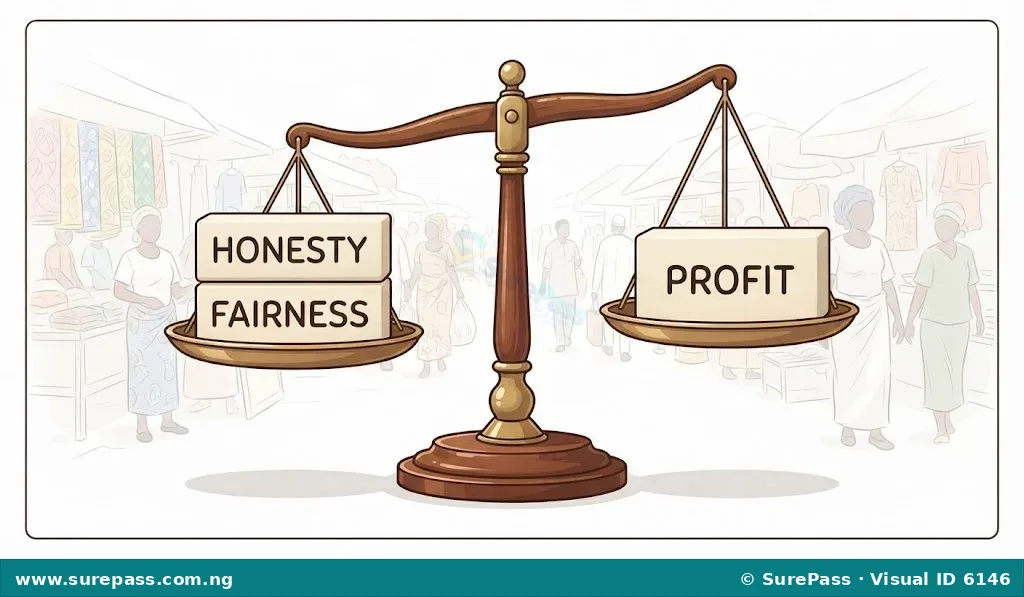
Ethical Standards in Commercial Activities
Ethical standards are the rules and principles that guide businesses to act in a morally acceptable way. These standards ensure that commercial activities benefit society and do not cause harm.
Some key ethical standards in commercial activities include:
- Honesty: Businesses should be truthful in all their dealings, including advertising, product descriptions, and financial reporting. Customers rely on accurate information to make purchasing decisions. For example, a shopkeeper should accurately describe the quality of goods being sold, rather than exaggerating their features.
- Fairness: Businesses must treat all customers, employees, suppliers, and competitors fairly. This means offering fair prices, paying fair wages, and engaging in fair competition. For instance, a company should not charge different prices to different customers for the same product without a valid reason.
- Transparency: Businesses should be open and clear about their operations, policies, and product information. This builds trust with customers and other stakeholders. An example is a food company clearly listing all ingredients on its product packaging.
- Respect: Businesses should show respect for individuals, communities, and the environment. This includes respecting customer privacy, cultural differences, and environmental regulations. For example, a company should not dispose of waste in a way that pollutes local rivers.
- Responsibility: Businesses have a responsibility to act in the best interest of society. This includes producing safe products, contributing positively to the community, and taking accountability for their actions. A responsible business ensures its products are safe for consumption and use.
- Integrity: This means adhering to strong moral and ethical principles and values, even when no one is watching. A business with integrity will always do the right thing, even if it means sacrificing short-term gains. For example, a contractor uses the exact quality of materials specified in a building project, even if cheaper alternatives could be used without immediate detection.
Unethical Business Practices and Their Effects
Unethical business practices are actions taken by businesses that violate moral principles and accepted standards of conduct. These practices can harm customers, employees, competitors, and society as a whole.
Common unethical business practices include:
-
False Advertising: Making untrue or misleading claims about products or services to attract customers. For example, a company claiming its product can cure all diseases when it cannot.
Effects: Customers are deceived and may buy products that do not meet their expectations, leading to dissatisfaction and loss of trust. The business’s reputation suffers, and it may face legal action.
-
Bribery and Corruption: Offering or accepting money, gifts, or favours to influence business decisions or gain an unfair advantage. For example, a company paying a government official to secure a contract.
Effects: It distorts fair competition, leads to unfair allocation of resources, and increases costs for consumers. It erodes public trust in institutions and businesses.
-
Exploitation of Workers: Treating employees unfairly, such as paying extremely low wages, forcing long working hours, or providing unsafe working conditions. For example, a factory paying workers less than the minimum wage and denying them breaks.
Effects: Workers suffer poor living conditions, low morale, and health issues. It can lead to labour disputes, negative publicity for the business, and legal penalties.
-
Price Gouging: Charging excessively high prices for essential goods or services, especially during emergencies or times of high demand. For example, a seller drastically increasing the price of hand sanitiser during a health crisis.
Effects: Consumers are exploited, especially vulnerable populations. It creates public anger and can lead to government intervention or boycotts.
-
Environmental Damage: Disposing of waste improperly, polluting air or water, or engaging in activities that harm the environment. For example, a manufacturing plant dumping chemical waste into a nearby river.
Effects: Harms ecosystems, human health, and natural resources. The business may face heavy fines, legal action, and a damaged public image.
-
Product Adulteration: Deliberately mixing impurities into products or reducing their quality to cut costs, often in food or medicine. For example, adding sawdust to flour or diluting palm oil with water.
Effects: Endangers consumer health, reduces product effectiveness, and leads to severe loss of trust. The business can face criminal charges and permanent closure.
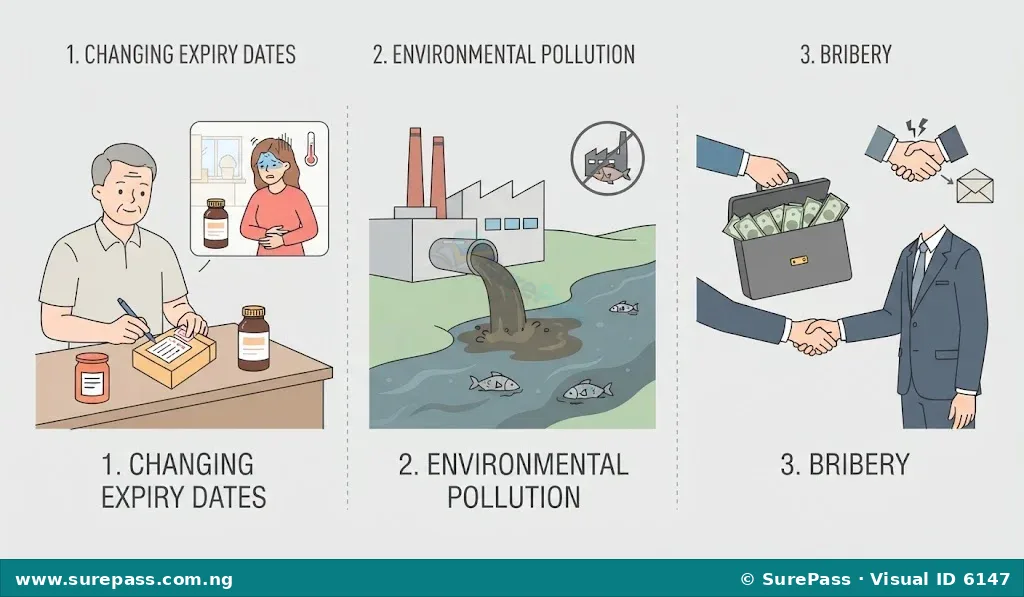
Importance of Ethical Standards in Commercial Activities
Adhering to ethical standards is crucial for the long-term success and sustainability of any business. Ethical practices benefit not only the business but also its customers, employees, and the wider society.
The importance of ethical standards in commercial activities includes:
- Building Trust and Reputation: Ethical businesses are seen as reliable and honest. This builds trust with customers, suppliers, and investors, leading to a strong and positive reputation. A good reputation attracts more customers and business opportunities.
- Customer Loyalty: Customers are more likely to remain loyal to businesses they perceive as ethical. They prefer to buy from companies that treat them fairly, provide quality products, and act responsibly. This leads to repeat business and stable revenue.
- Employee Morale and Productivity: Employees prefer to work for ethical companies. A strong ethical culture fosters a positive work environment, increases employee morale, and can lead to higher productivity and lower staff turnover. Employees feel proud to be associated with a responsible organisation.
- Attracting Investors: Ethical businesses are often more attractive to investors who seek stable and responsible investments. Investors are increasingly looking for companies with good corporate governance and social responsibility.
- Legal Compliance and Reduced Risks: Adhering to ethical standards often means complying with laws and regulations. This reduces the risk of legal issues, fines, lawsuits, and negative publicity, saving the business from costly problems.
- Long-Term Sustainability: Ethical practices contribute to the long-term survival and growth of a business. By considering the impact of their actions on society and the environment, businesses can avoid practices that might lead to future problems or public backlash.
- Positive Societal Impact: Ethical businesses contribute positively to the community and society by creating jobs, paying taxes, protecting the environment, and supporting social causes. This enhances the overall quality of life.
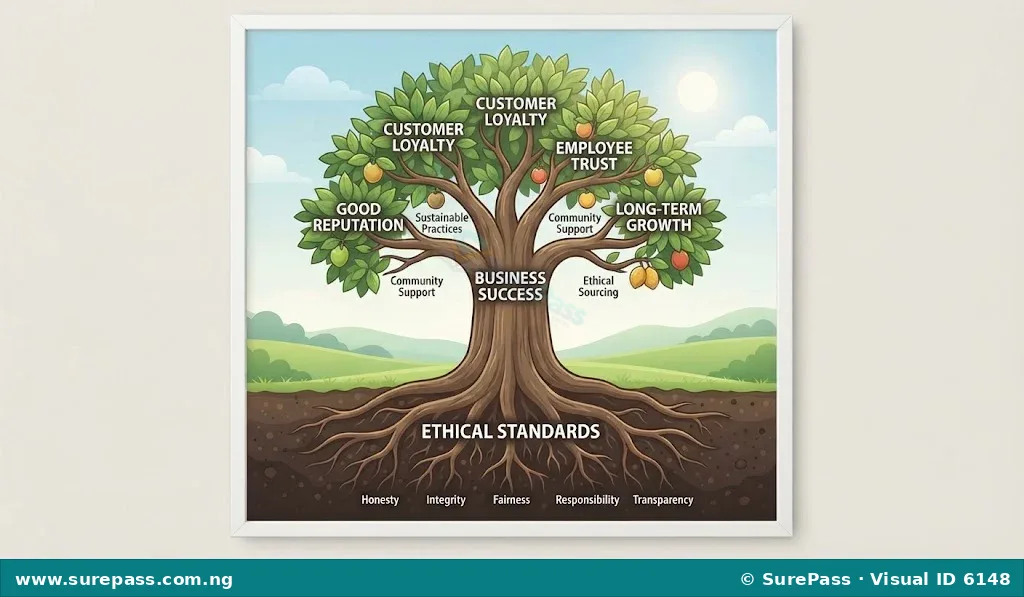
Applying Ethical Practices in Commercial Activities
Applying ethical practices in commercial activities means making conscious decisions and taking actions that align with moral principles. This skill is vital for anyone involved in business, from a small trader to a large corporation.
The procedure for applying ethical practices involves the following steps:
- Understand Ethical Principles: First, understand what ethical principles mean in a business context. This includes honesty, fairness, transparency, respect, and responsibility. Reflect on how these principles apply to different aspects of commerce.
- Identify Ethical Dilemmas: Recognise situations where there might be a conflict between profit motives and ethical conduct. For example, deciding whether to use cheaper, lower-quality materials to save money or stick to higher-quality, more expensive ones.
- Gather Information: Collect all relevant facts about the situation. Who are the stakeholders involved (customers, employees, suppliers, community)? What are the potential consequences of different actions?
- Consider Stakeholder Impact: Evaluate how each possible decision will affect all parties involved. An ethical decision considers the well-being of everyone, not just the business’s immediate profit.
- Consult Ethical Guidelines/Policies: If the business has an ethical code of conduct or policy, refer to it. These guidelines provide a framework for making ethical decisions.
- Make an Ethical Decision: Choose the option that best upholds ethical principles, even if it means sacrificing some short-term gain. The decision should be one that you would be comfortable explaining publicly.
- Act with Integrity: Implement the ethical decision consistently and transparently. Ensure that actions match intentions. For example, if a business decides to recall a faulty product, it should do so promptly and openly.
- Review and Learn: After the decision and action, review the outcome. What worked well? What could be improved? This helps to strengthen ethical decision-making for future situations.




0 comments
Open the discussion when you need it. Comments stay collapsed until requested so the initial article remains light.