


ARTICLE CONTENTSOn this page 8 sections
Ethical Regulations in Commerce
Performance Objectives
By the end of the lesson, students should be able to:
- explain the meaning of ethical regulation;
- identify the Key legal frameworks in commerce;
- discuss the importance of ethical regulations in commerce;
- identify major areas covered by ethical regulations in commerce;
- discuss the roles of government regulatory agencies in enforcing ethical business;
- apply ethical practices in carrying out commercial activities.
Meaning of Ethical Regulation
Ethical regulation refers to the set of rules, principles, and laws that guide commercial activities to ensure fairness, honesty, and responsibility in dealings between businesses, consumers, and society.
These regulations are designed to prevent businesses from engaging in practices that could harm consumers, competitors, or the environment. They establish a standard of conduct that goes beyond mere legality, promoting moral and socially responsible behaviour.
Key Legal Frameworks in Commerce
Legal frameworks are the laws and statutes enacted by the government to govern commercial activities. These laws provide the foundation for ethical behaviour by setting minimum standards that businesses must follow. Non-compliance with these laws can lead to penalties.
Some key legal frameworks that promote ethical conduct in commerce include:
- Sales of Goods Act: This Act governs contracts for the sale of goods. It ensures that goods sold are of satisfactory quality, fit for their intended purpose, and match their description. It protects buyers from receiving faulty or misrepresented products.
- Consumer Protection Act: This Act aims to protect the rights of consumers. It addresses issues such as product safety, unfair trade practices, misleading advertising, and the right to seek redress for defective goods or services. In Nigeria, the Federal Competition and Consumer Protection Act (FCCPA) serves this purpose.
- Advertising Practitioners Act: This Act regulates the practice of advertising. It ensures that advertisements are truthful, decent, honest, and socially responsible. It prevents misleading claims and promotes ethical standards in advertising. In Nigeria, the Advertising Regulatory Council of Nigeria (ARCON), formerly APCON, enforces this Act.
These laws, among others, create a legal environment where businesses are compelled to act ethically, protecting the interests of all parties involved in commercial transactions.
Importance of Ethical Regulations in Commerce
Ethical regulations are vital for the smooth functioning and success of commercial activities. They provide numerous benefits to consumers, businesses, and the economy as a whole.
The importance of ethical regulations in commerce includes:
- Protecting Consumers: Regulations safeguard consumers from exploitation, fraud, and unsafe products. They ensure that consumers receive fair value for their money and have access to accurate information.
- Building Trust and Confidence: When businesses operate ethically, consumers develop trust in their products and services. This trust is crucial for repeat business and a healthy market.
- Promoting Fair Competition: Ethical regulations prevent unfair business practices like price fixing, monopolies, and deceptive marketing, ensuring a level playing field for all businesses.
- Enhancing Business Reputation: Companies that adhere to ethical standards often build a strong reputation, which can attract more customers, investors, and talented employees.
- Ensuring Product Quality and Safety: Regulations enforce standards for product manufacturing, ensuring that goods are safe for use and meet expected quality levels, thereby reducing risks to public health and safety.
- Fostering Economic Stability: A regulated and ethical commercial environment reduces market failures and instability caused by fraudulent or irresponsible business practices.
- Encouraging Social Responsibility: Ethical regulations encourage businesses to consider their impact on society and the environment, promoting sustainable and responsible practices.
Major Areas Covered by Ethical Regulations
Ethical regulations cover various aspects of commercial activities to ensure fairness and responsibility. These areas are critical for maintaining a healthy and trustworthy market.
Major areas covered by ethical regulations include:
- Fair Pricing and Competition: Regulations aim to prevent practices such as price gouging, predatory pricing, and collusion among competitors. They ensure that prices are reasonable and that businesses compete fairly based on quality and service, not on deceptive tactics.
- Truthful Advertising: This area ensures that all advertisements are honest, accurate, and not misleading. Businesses are prohibited from making false claims about their products or services, or from using deceptive images or endorsements.
- Product Quality and Safety: Regulations mandate that products meet certain quality standards and are safe for consumer use. This includes requirements for manufacturing processes, labelling, ingredients, and warnings about potential hazards.
- Data Privacy and Security: With the rise of digital commerce, regulations protect consumer data from misuse, unauthorised access, and breaches. Businesses are required to handle personal information responsibly.
- Environmental Protection: Regulations address the environmental impact of commercial operations, such as waste disposal, pollution control, and sustainable resource management.
- Labour Practices: Ethical regulations ensure fair treatment of employees, including fair wages, safe working conditions, and non-discriminatory hiring practices.
Government Regulatory Agencies
Government regulatory agencies are bodies established by law to monitor, enforce, and ensure compliance with ethical regulations in commerce. These agencies play a crucial role in maintaining order and fairness in the marketplace.
The roles of government regulatory agencies in enforcing ethical business include:
- Setting Standards: They establish guidelines and standards that businesses must adhere to in their operations, product quality, and service delivery.
- Monitoring Compliance: Agencies conduct inspections, audits, and investigations to ensure that businesses are complying with the established laws and regulations.
- Investigating Complaints: They receive and investigate complaints from consumers or other businesses regarding unfair practices, product defects, or misleading information.
- Enforcing Laws: When non-compliance is found, these agencies have the power to impose penalties, fines, or even shut down businesses that violate ethical regulations.
- Educating Stakeholders: They educate businesses on their responsibilities and consumers on their rights, fostering a more informed marketplace.
- Issuing Licences and Permits: Some agencies are responsible for issuing licences and permits, ensuring that only qualified and compliant businesses operate.
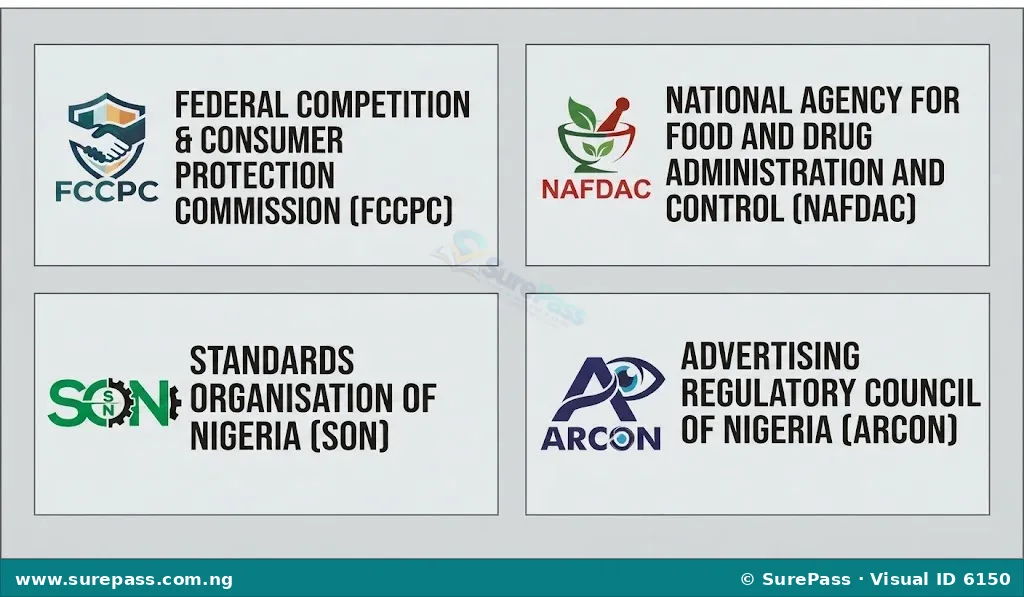
In Nigeria, examples of government regulatory agencies include:
- Federal Competition and Consumer Protection Commission (FCCPC): This agency protects consumers from unfair trade practices, ensures product safety, and promotes fair competition in the market.
- National Agency for Food and Drug Administration and Control (NAFDAC): NAFDAC regulates and controls the manufacture, importation, exportation, advertisement, distribution, sale, and use of food, drugs, cosmetics, medical devices, chemicals, and packaged water.
- Standards Organisation of Nigeria (SON): SON is responsible for setting and enforcing standards for products and services in Nigeria to ensure quality and safety.
- Advertising Regulatory Council of Nigeria (ARCON): ARCON regulates and controls advertising practices in Nigeria, ensuring that advertisements are ethical, truthful, and responsible.
Applying Ethical Practices in Commercial Activities
Applying ethical practices in commercial activities means making conscious decisions that reflect honesty, fairness, and responsibility in all business dealings. It involves integrating ethical considerations into daily operations and decision-making processes.
The procedure for applying ethical practices in commercial activities involves the following steps:
- Understand and Comply with Laws: Businesses must first understand all relevant legal frameworks, such as the Sales of Goods Act and Consumer Protection Act, and ensure full compliance. This forms the basic foundation of ethical practice.
- Develop a Code of Conduct: Establish clear ethical guidelines and a code of conduct for all employees. This document should outline expected behaviour regarding customer interactions, product handling, advertising, and competition.
- Ensure Truthful Advertising: All marketing and advertising materials must be accurate and honest. Avoid making exaggerated claims or misleading statements about products or services. For example, if a product is “100% natural,” ensure all ingredients are indeed natural.
- Prioritise Product Quality and Safety: Implement strict quality control measures during manufacturing and ensure all products meet safety standards. Regularly test products and provide clear usage instructions and warnings. For instance, a food producer must ensure their products are safe for consumption and clearly label ingredients and expiry dates.
- Practice Fair Pricing: Set prices that are reasonable and reflect the true value of the product or service. Avoid price gouging, especially during times of high demand or emergencies. Compete fairly without engaging in anti-competitive practices.
- Protect Consumer Data: Handle customer information with care and ensure its privacy and security. Do not share or sell customer data without explicit consent.
- Treat Employees Fairly: Provide a safe working environment, pay fair wages, and ensure equal opportunities for all employees. Respect labour laws and promote a positive workplace culture.
- Address Customer Complaints Promptly: Establish a clear process for handling customer feedback and complaints. Respond to issues quickly, fairly, and transparently, offering appropriate solutions or redress.
- Be Environmentally Responsible: Adopt sustainable practices in operations, such as reducing waste, conserving energy, and using eco-friendly materials where possible. Dispose of waste responsibly.
- Regularly Review Ethical Practices: Periodically assess business practices to ensure they remain ethical and align with current regulations and societal expectations. Make adjustments as needed.
By consistently applying these practices, businesses can build a strong reputation, foster customer loyalty, and contribute positively to society.



0 comments
Open the discussion when you need it. Comments stay collapsed until requested so the initial article remains light.